



Transit stations board non-smoking bandwagon
Chicago, Northern California nix smoking in and around stations and shelters.

Several U.S. cities have recently passed ordinances that prohibit smoking in public transportation facilities, including train stations, bus shelters and ticket, boarding and waiting areas. In Chicago, a new city ordinance makes smoking illegal in transit stations throughout the city, except in a few designated areas. The ordinance affects the Chicago Transit Authority, Metra commuter rail, the Northern Indiana Commuter Transportation District (NICTD), Amtrak and various other operating agencies. The Clean Indoor Air Ordinance also includes the city’s largest transit hub, Union Station. Train platforms, the food court and anywhere within 15 feet of the building’s exterior entrances are now off-limits for smokers. Smoking is only permitted in a portion of a café and tavern. “We think it’s a great idea,” said John Parsons, spokesperson for NICTD, which operates trains that stop in Union Station. “We have received complaints in the past from passengers who were bothered by smoking, and [smoking] also creates a litter problem on the platforms and on the track beds.” Similarly, the San Mateo (Calif.) County Transit District, which co-governs the San Francisco Bay Area’s commuter rail network, Caltrain, recently passed an ordinance outlawing smoking in its transit stations. The agency’s board also voted to place “No smoking” signs in all of the district’s 208 bus shelters. Violators of the Chicago ordinance could be fined up to $100. In San Mateo, local law enforcement officers can cite violators. Other states, including New Jersey and Colorado, are currently considering state smoking bans that would include public transportation facilities. Banning smoking in stations and facilities continues the anti-smoking trend that was launched in 1987 when the U.S. Senate passed legislation that outlawed smoking on airplanes, trains, buses and all other rapid transit passenger vehicles.
More Management
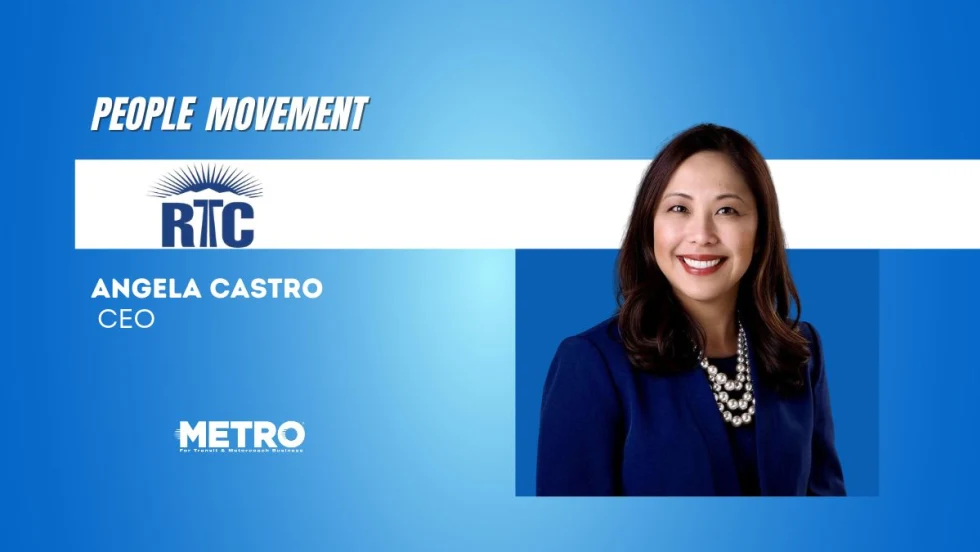
Castro to Lead RTC of Southern Nevada and More in People Movement
In this edition, we also cover recent appointments and announcements at the STV, MCI, and more, showcasing the individuals helping to shape the future of transportation.
Read More →
STraffic Expands North American Presence with Fare Collection Technology
John Moon, Associate Director, Product Strategy at STraffic, discusses the company's growth in North America, its efforts to reduce fare evasion, and more.
Read More →
Study: Denver RTD Generates $2.1 Billion in Annual Economic Activity
An economic impact study finds the agency supports approximately 17,500 jobs, delivers $1.6 billion in annual community and mobility benefits, and generates $2.42 in economic value for every dollar invested.
Read More →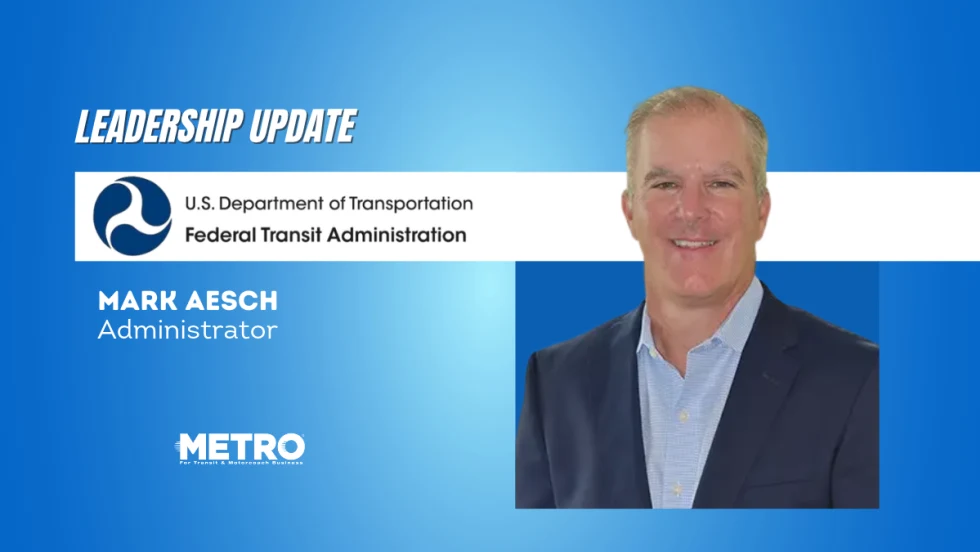
Mark Aesch Nominated to Lead Federal Transit Administration
The former Rochester transit chief and TransPro founder, who has also contributed to METRO Magazine, brings decades of industry experience and a focus on performance, accountability, and financial sustainability to the nomination.
Read More →
Best and Worst U.S. Cities for Public Transportation in 2026
A new analysis of 50 major U.S. urban areas ranks public transit systems based on accessibility, affordability, usefulness, and safety, highlighting where transit performs best and where challenges remain.
Read More →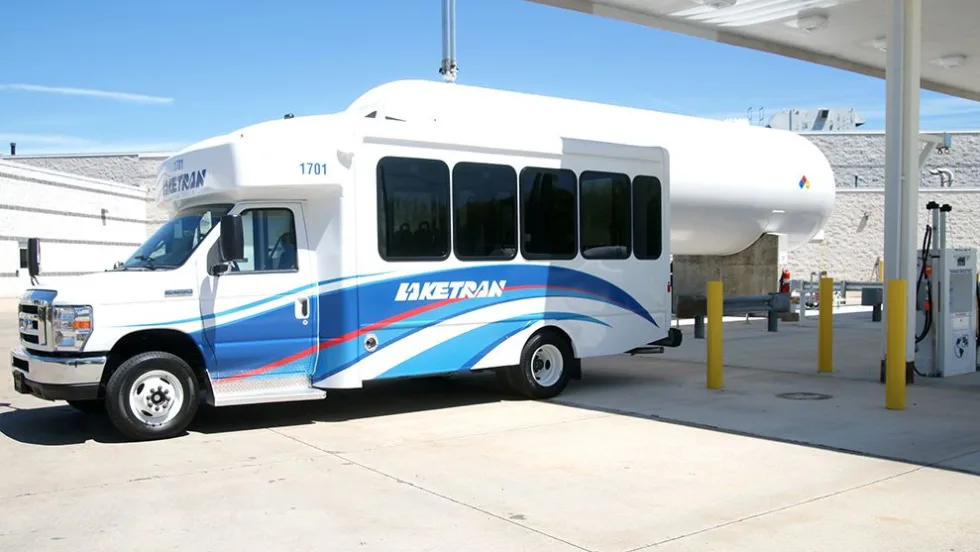
Laketran Cuts Fuel Costs, Boosts Efficiency with Propane-Powered Fleet
The Ohio transit agency is using propane-powered vehicles and on-site fueling infrastructure to cut fuel and maintenance costs while meeting growing demand for paratransit services.
Read More →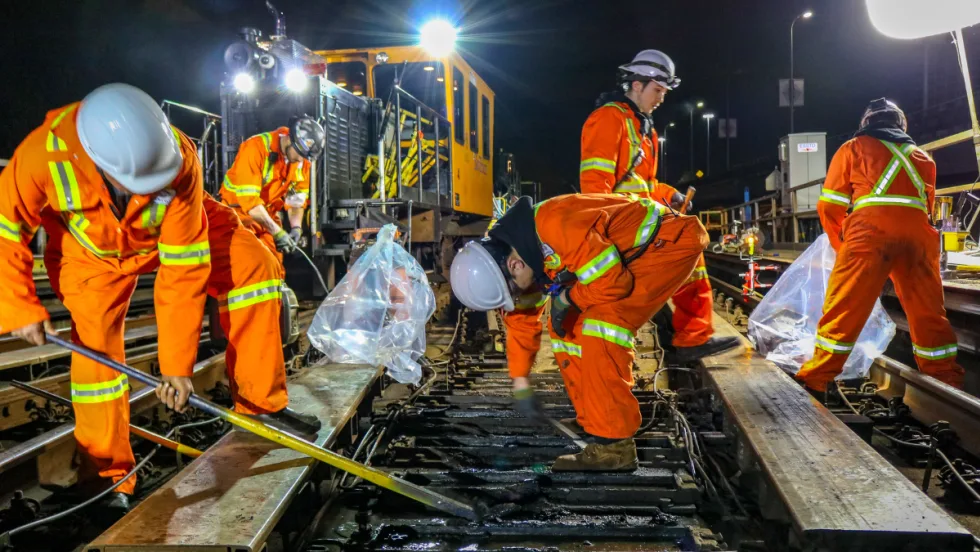
Canada’s Public Transit Supports $65.6 Billion in Annual GDP
New research from the Canadian Chamber of Commerce examines transit's economic contributions, including job creation and the financial implications of transportation investment.
Read More →
Pierce Transit Moves to Expand Fleet Following Proposition 1 Approval
The agency authorized the purchase or refurbishment of up to 60 buses to support a 47% service expansion, as voters nationwide approved billions in new transit funding.
Read More →
Right-Sizing Rural Transit: Lessons from North Grenville’s On-Demand Model
A small municipality shows how flexible service, rider needs, and public accountability can expand mobility with limited resources.
Read More →
Transit Ballot Victories Signal Strong Voter Support: What Comes Next?
Voters approved billions in public transportation investments in 2026, giving agencies opportunities to preserve service, expand operations, and strengthen regional connections amid a changing political landscape.
Read More →