



Tren Urbano represents historic landmark for Puerto Rico
The train line is Puerto Rico's first rapid transit system and one of the island's largest infrastructure projects ever.

Puerto Rico’s citizens now have a modern mode of transportation to call their own. The Tren Urbano began full-time operation April 6, connecting the densely populated area called Bayamon with the Santurce section of San Juan. This is the first metro system in place on the island and one of the largest infrastructure projects to have been completed in Puerto Rico’s history. Rail service had been in place on the island until 1953, when trains connecting San Juan and Ponce stopped running. The train first opened in December 2004 and offered weekend-only free rides to allow the public to experience the new system. On June 6, fares of $1.50 each way went into effect. The trains run 20 hours a day at four-minute intervals during peak rush times. Traveling the entire line takes approximately 30 minutes, with stops at a total of 16 stations. Siemens Transportation Systems Inc. built the system as a turnkey project with several partners, including Alternate Concepts Inc. and Juan R. Requena & Associates. Phase I of the project was projected to cost $1.9 billion. Additional phases are planned in the next 10 to 15 years and will extend the reach of the Tren Urbano to other areas in and around the capital city. The communication systems include a fully integrated centralized control system that interfaces with passenger information systems, a PA system, fare collection, telecommunications, radio and CCTV. The control center features automatic routing and dispatching, timetable management, automatic traffic regulation, conflict detection and resolution and a trainer-trainee simulation system. Siemens provided 37 married-pair heavy rail vehicles for the project. “The Tren Urbano system is an international showcase for public transit and a first for the Caribbean,” said Siemens’ CFO and Vice President Mark Evans. “The people of Puerto Rico love this success story.”
More Management

ENC Lands MATA Contract and More in Biz Briefs
In this edition of Biz Briefs, we spotlight the latest developments shaping the future of mobility.
Read More →
From Surviving to Thriving: Building Stronger Transportation Organizations
Bus Business Consultants founder Brian Dickson shares lessons on leadership, organizational health, and creating options for long-term success in a changing transportation industry.
Read More →
Everett Transit, Community Transit Outline Consolidation Agreement
The proposed agreement calls for a 50% increase in bus service in Everett, a new microtransit zone, continued paratransit service, and the transfer of Everett Transit operations to Community Transit.
Read More →

Strada360’s Steve Lassey on Turning Transit Data Into Better Decisions
From breaking down data silos to preparing for AI, Strada360 CEO Steve Lassey discusses how transit agencies can use technology to improve operations, customer information, and long-term decision-making.
Read More →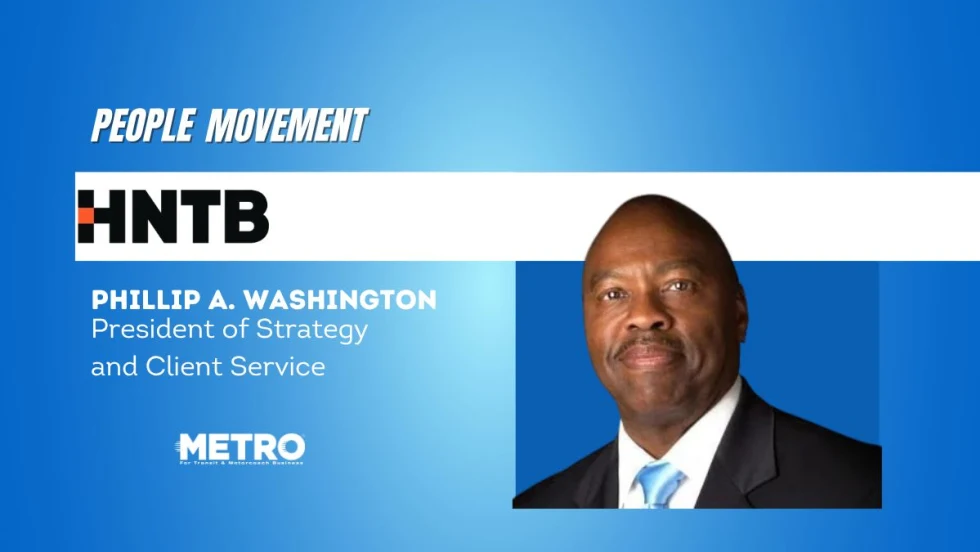
People Movement: Phil Washington Joins HNTB, Denver RTD Launches CEO Search, and More
In this edition, we also spotlight recent personnel moves at STV, the Eno Center for Transportation, and more, highlighting the people taking on new roles across the transportation industry.
Read More →
SEPTA Details Accelerate Vision for Transit System
The plan outlines investments in trolley modernization, new Metro and Regional Rail vehicles, accessible stations, and more frequent bus and rail service.
Read More →
FTA Ends Direct Oversight of MBTA Safety Actions
The federal agency closed its remaining special directive to the Massachusetts Department of Public Utilities following a safety review that began in 2022.
Read More →
Report: Transit Bus Manufacturing Supports 34,100 Jobs, $5.1B in GDP
The “Buses Mean Business” report examines the transit bus manufacturing industry’s economic footprint, supply chain, and rising demand for vehicle replacements.
Read More →
LIT Marks 10-Year Milestone at Annual Summit
Hosted by the COTA from September 10 to 13, the Summit carried the theme “Celebrating 10 Years of Excellence, Leadership, and Impact,” with every part of the program honoring the people, agencies, and partners who built LIT over its first decade.
Read More →
People Movement: Dan Dipert Coaches Adds Third-Generation Leader, Keolis Names New Valley Metro VP/GM, and More
In this edition, we also cover recent appointments and announcements at the Wabtec, SilverRide, HNTB, and more, showcasing the individuals helping to shape the future of transportation.
Read More →