



Trieste busway nears completion
The Azienda Consorziale Transporti, a two-mile busway nearly completed for the transit system in Trieste, Italy, is powered by a contact line embedded in the road.

The Azienda Consorziale Transporti, a two-mile busway nearly completed for the transit system in Trieste, Italy, is powered by a contact line embedded in the road. The power supply, called Stream, was developed by AnsaldoBreda of Naples, Italy. Stream involves a contact line in the street or roadway, near the surface. The line contains the electrical power to propel the wheel hub motors of the bus. The hub motors are powered by a magnetic device that reacts with the contact collector, which has two sliding shoes. The shoes connect with the positive and negative conductors on the contact line. The contact line is live only at the time of connection and at the exact position of the shoes. At all other times the contact line is harmless and hazard free. The magnetic device is not confined to one position under the bus, which allows for flexibility. Rechargeable batteries can also power the bus, allowing it to operate for brief periods off the contact lines. The onboard contact collector of the bus can also steer the front wheels if a guided drive system is desired. The location of the bus on the contact line can be monitored at a control center with exact precision. The control center can also communicate with the driver and passengers both onboard and at stations. The contact line is installed in a trench 12 inches deep and 23 inches wide, divided into insulated metal segments about 19 inches long. Pre-fabricated box structures are in modules 10 inches to 20 inches long. The modules, which are rigid and water proof, contain the flexible power conductor or belt. There are numerous advantages of the Stream system. Installation of the contact line under normal conditions is about 330 feet a day, and disruption of traffic on the street or roadway is minimal. There is virtually zero impact on the environment during construction and operation of the system. The vehicles have trolleybus characteristics, so the need for overhead wires, poles or attachments to buildings is not necessary. Exhaust and noise pollution are also eliminated. In addition, there is only a minor service disruption during the time the bus connects to the contact line. Stream offers a high degree of flexibility, not only because the buses have dual power, but also because the route can be extended or changed easily due to the speed and minimum cost of installing the contact line. The power supply system, although a distinctive feature, has no visual impact, and is no obstacle to pedestrians or vehicular traffic. Most important, the overall cost of installation and operation of Stream is very attractive. When the initial route is completed in the near future, Stream will operate from the center of Trieste to Pizalle Gioberti. The busway will operate one 40-foot bus and two 60-foot articulated buses, supplied by Neoplan.
— Bill Luke
More Management

The Business Voice Behind Public Transportation
As chair of APTA’s Business Members Board of Governors, Ray Melleady explains how more than 850 business members are partnering with transit agencies to advance funding, innovation, and industry-wide collaboration.
Read More →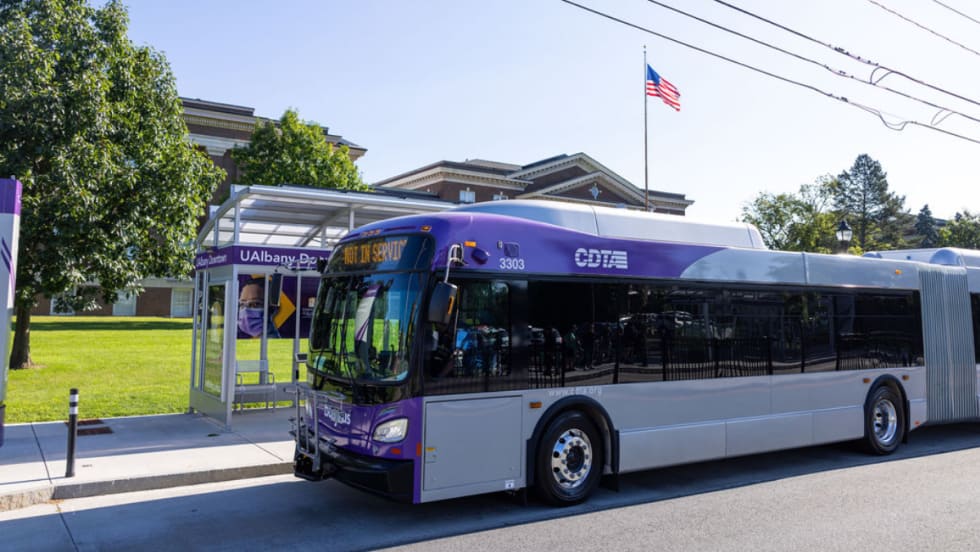
New York’s CDTA Service Rebalancing Boosts Productivity, On-Time Performance
Despite a slight dip in ridership, the agency’s FY2026 results show its service rebalancing strategy is helping the agency carry more riders per service hour while improving reliability.
Read More →
People Movement: ABC Names John Walsh as Chief Commercial Officer
In this edition, METRO also covers recent appointments and announcements at the DART, STV, and more, showcasing the individuals helping to shape the future of transportation.
Read More →
From Surviving to Thriving: Building Stronger Transportation Organizations
Bus Business Consultants founder Brian Dickson shares lessons on leadership, organizational health, and creating options for long-term success in a changing transportation industry.
Read More →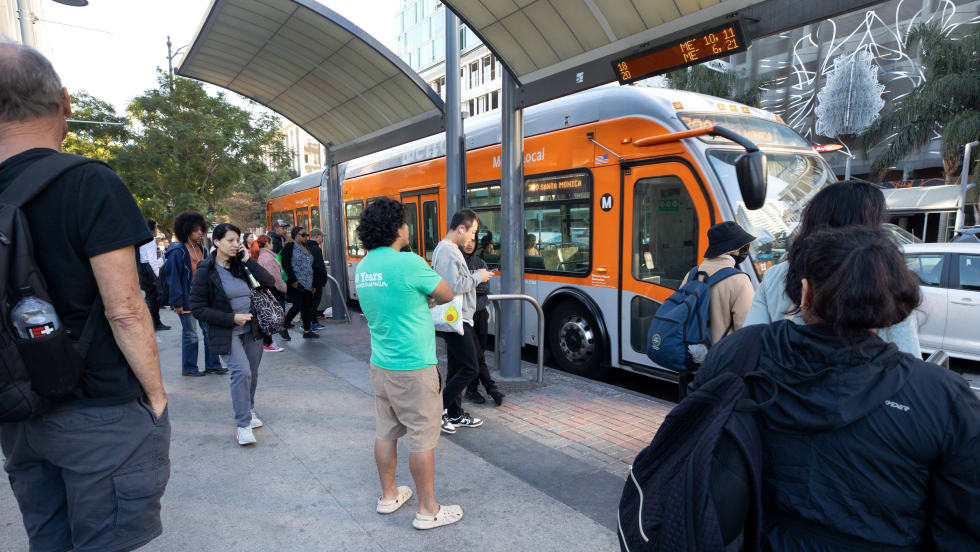
LA Metro Ridership Continues Growth as Rail Gains Accelerate
New rail connections and major events help drive continued ridership gains, with Metro recording its eighth consecutive month of year-over-year rail growth.
Read More →
TransDASH Summit Focuses on Measuring What Matters in Transit
Transit agencies unveil a national performance platform designed to benchmark customer experience, safety, community value, and other outcomes.
Read More →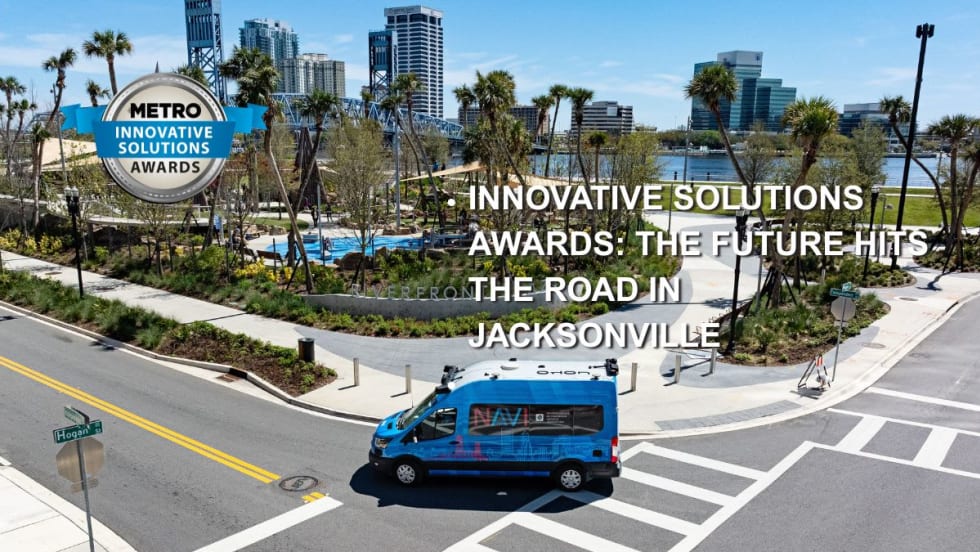
Jacksonville’s NAVI Project Charts a New Course for Autonomous Public Transportation
Through its NAVI program, JTA is showing how autonomous vehicles, intelligent infrastructure, and coordinated operations can work together to deliver everyday public transportation.
Read More →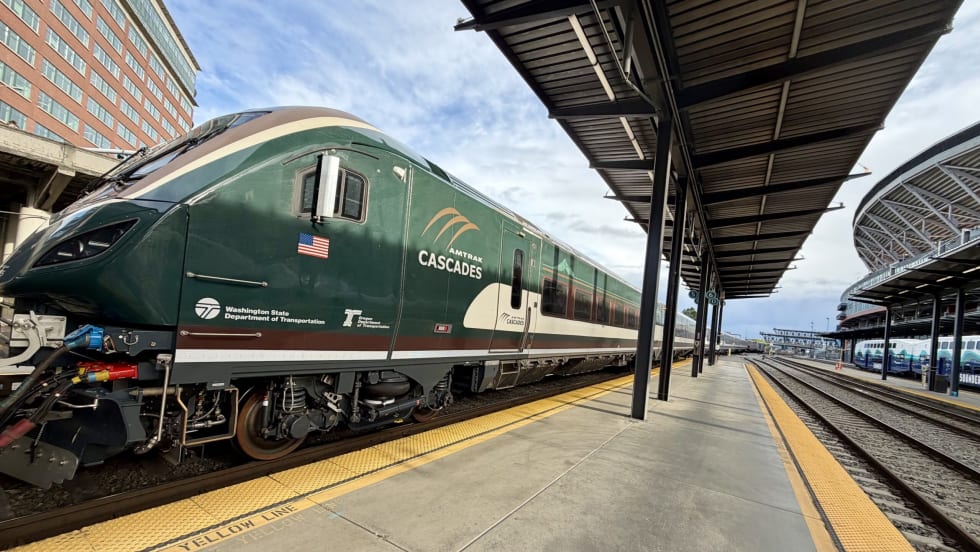
FRA Announces $5.3B in Rail Investments, Including $2B for Amtrak
Funding will support grade-crossing improvements, infrastructure upgrades, and new Amtrak equipment in 23 states.
Read More →
Finding the ‘Happy Medium’: Optimizing Maintenance Without Sacrificing Reliability
The key to maintenance optimization isn’t doing less work—it’s doing the right work at the right time on the right assets.
Read More →
People Movement: MARTA Drops Interim Tag on GM/CEO Hunt and More
In this edition, METRO covers recent appointments and announcements at the FMCSA, HDR, SilverRide, and more, showcasing the individuals helping to shape the future of transportation.
Read More →