



Understanding the Complexity of Transit Safety
Safe transit systems are the reflection of how well safety has been ingrained into the fabric of systems and multiple sub-systems. When transit systems are not properly aligned, these systems and sub-systems will reach their safety limits, which may lead to catastrophic events.
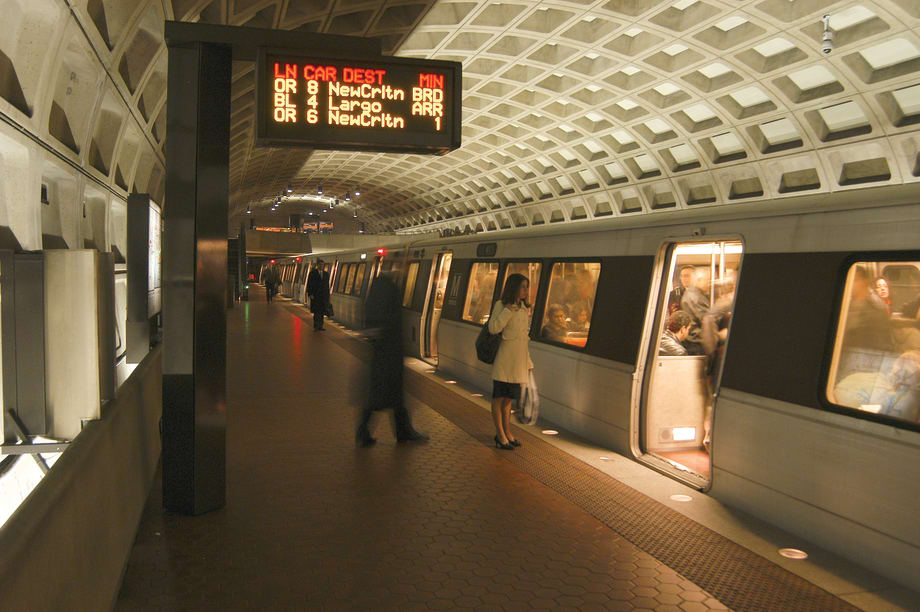
Photo credit: Larry Levine/WMATA
Photo
Larry Levine/WMATA
For transit industry leaders to be successful in developing and sustaining a vibrant safety culture, they must fully understand the complexity of transit safety and the organizational culture and sub-cultures within their respective systems. Transit systems are tightly coupled, technologically complex organizations. These systems are comprised of multiple sub-systems that are interdependent and interrelated. It will be necessary for leaders to understand the synergy, interdependence and interrelationships needed between systems and sub-systems as well as the organizational culture and the many different sub-cultures.
The importance of understanding the complexity of transit systems and sub-systems and the effect on the development of a vibrant and effective safety culture is best understood by the theoretical concept of system theory. System theory is a conceptual tool that would allow transit leaders to better understand the interdependence and interrelationship of systems and sub-systems within the organizational structure. The notion of system theory has been around since the 1930s and 1940s. According to David S. Walonick (1993), in "Organizational Theory and Behavior," "The foundation of system theory is that all the components of an organization are interrelated, and that changing one variable might impact many others." Additionally, he states "Small changes in one variable can cause huge changes in another, and large changes in a variable might have only a nominal effect on another."
Similarly, Dr. Nancy Levinson's "Engineering a Safer World,"states, "Systems are broken into distinct parts so that the parts can be examined separately." Transit leaders must examine these sub-systems independently to ensure synergy between them because they work independently, and in conjunction, with one another. When sub-systems operate in sync with one another, it is the result of many factors at work. Patterns of safety behavior are influenced by the cultural change and processes in place.
The impact of synergy is an operating system that works at or near optimal level of efficiency; therefore, it will reflect a change in employees' safety performance and attitudes. When systems and sub-systems are in alignment, the result is a safer transit system. Safe transit systems are the reflection of how well safety has been ingrained into the fabric of systems and multiple sub-systems. When transit systems are not properly aligned, these systems and sub-systems will reach their safety limits, which may lead to catastrophic events.
Transit Profiles
To understand complexity of transit system safety and system theory, let's examine the profiles of two large transit systems. New York City Transit (NYCT) is the largest transit system in the U.S. The transit system makes 1.56 billion annual passenger trips, with a fleet size of 6,485 subway cars; averages 8,160 weekday train trips; and transports 5.12 million weekday passengers, traveling over 343 million annual revenue vehicle miles. NYCT has 26 lines traveling over 659 track miles with 468 stations and runs a 24/7 operation. Washington Metropolitan Area Transit Authority (WMATA) is considered by some to be the second largest transit system in the nation. According to WMATA's profile, the system operates more than 222.9 million annual passenger trips, with a fleet of 1,138 railcars operating over 106.3 miles of track with 86 stations and 860 escalators and elevators. WMATA service hours are from 5:00 a.m. to 12:00 a.m. and 7:00 a.m. to 3:00 a.m. on weekends. The task of managing safety for these systems is critical and complex because of multiple sub-systems that are interrelated and interdependent.
Transit Sub-Systems
Transit system profiles explain, to a degree, the complexity of safety in transit systems, however, knowledge of these profiles, in and of themselves, will not guide transit leaders in the direction of developing and sustaining a vibrant and effective safety culture. Transit systems differ in sizes across the transit industry from large — NYCT — to medium, such as the Maryland Transit Administration (MTA) in Baltimore, to a small system like Kenosha Transit in Kenosha, Wis.
However, there is one thing all transit systems have in common: they all have sub-systems (examples of sub-systems are operations, maintenance, signaling systems, traction power, etc.). It is through these tightly coupled technological systems and sub-systems that transit leaders must examine and evaluate thoroughly to begin understanding the complexity of transit safety and safety culture. Transit leaders must examine these sub-systems independently to ensure synergy between the multiple sub-systems and the systems.
For example, transit systems operate in many different environments: political, social, legal and economic. The rapidly evolving demands placed on transit by society today have created an overarching demand for transit leaders to focus their attention on getting service out (productivity). Transit leaders must be cautioned when viewing sub-systems interdependently in that they don't separate the sub-systems in any manner. When greater emphasis is placed on one sub-system, such as operations, other sub-systems, such as maintenance, will be de-emphasized. When this practice is continued over a period of time, the system will soon reach its safety limitations. As a result, the consequence is an increased probability of accidents occurring; some of which will be catastrophic in nature.
Transit leaders cannot place greater emphasis on one sub-system over another, nor separate sub-systems because systems theory "reminds us that if you break up an elephant, you don't have a bunch of little elephants," C. McNamara, author of "Organizations as Systems," says. System theory suggests that if any part of the sub-systems is broken, the system in and of itself may not be able to operate efficiently, or drastic changes will occur.
As transit leaders examine these sub-systems, they must understand that sub-systems are often at odds with one another due to internal conflicts. These conflicts are often caused by a lack of balance between the sub-systems, which are not working in conjunction with each other. Conflicts may also be caused by the mere structure of a transit system (i.e., locations, shifts, work hours). Transit leaders must continue to diligently seek balance and equilibrium between the systems and the multiple sub-systems before the foundation of a vibrant and effective safety culture can begin to flourish.
[PAGEBREAK]
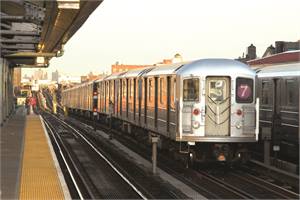
Transit systems vary in size from large, such as New York City Transit (pictured), to medium to small. One common thread, however, is that all transit agencies have sub-systems. (Photo Courtesy NYCT)
Transit System Sub-culture
One of the most important factors transit leaders must consider when evaluating these tightly coupled technological complex sub-systems is that they all have their own sub-culture within the organization culture. These sub-systems have sub-cultures that influence the system and can greatly impact the desired outcomes of the system every day. One of the greatest challenges for transit leaders throughout the industry is the embedded culture within these sub-systems. These sub-cultures will have a direct impact on transit leaders' ability to develop and sustain a vibrant safety culture if not explored, understood and realigned. Richard Daft states, "Culture is defined as the set of values, norms, guiding beliefs, assumptions and understanding that is shared by members of an organization and is taught to new members. It represents the unwritten, feeling parts of the organization."
Transit leaders will have tremendous challenges in developing and sustaining a vibrant and effective safety culture, unless cultures and subcultures are explored, understood and realigned. Therefore, the leadership role is crucial in managing these different sub-systems and sub-cultures, which is a giant of a task. Professor Anne Khademian argues that "accountability for culture rests with the most senior leaders, because they are the primary contact with the organizational environment and representatives of the organization." She further states that managing culture is the single most important responsibility of a top executive.
Systems theory suggests that transit leaders should seek balance and equilibrium between their sub-systems and their environments and the systems' sub-cultures; transit systems that do not effectively communicate and interact appropriately between their sub-systems, environments and sub-cultures tend to reach their safety limits. Transit systems that reach their safety limits will begin to experience the same kinds of safety problem over and over again. It is important to understand that a circular relationship will exist between the overall system, sub-systems and its environment when less than adequate attention is given to all sub-systems and sub-cultures.
Communication
Walk into a wayside station on any transit property and it could be compared to a fifth grade elementary class with no teacher. Noise is everywhere. In the classroom, students would be celebrating the fact that no teacher is present; however, in the wayside station, the noise is coming from the opening and closing of relays. Effective communication takes place along the transit alignment. This is the signaling system at work. From the wayside signal equipment through the use of technology, communication takes place through track switches, circuits, cab codes to the train, vehicle braking system, railcar, operator, grade-crossing and operations control center. This communication allows the train to move from one terminal to another safely.
Similarly, transit leaders must ensure that effective communication mechanisms exist between system and sub-systems in order for an exchange of information to take place. If communication mechanisms do not exist between the sub-systems, the system is not healthy, and it is a clear sign that the sub-systems are internally focused and driven by their own sub-cultures. These behaviors are often referred to as silos and turf wars between the sub-systems. Silos and turf wars are naturally part of transit systems structure, because of the different modes and locations, work hours, shifts as well as employees with different beliefs, values and behaviors. These silos and turf wars will push transit systems to their safety limits, if not properly aligned. Transit leaders would be challenged in their effort to develop and sustain an effective safety culture if these communication mechanisms are not in place.
Conclusion
Historically, the nation's public transit industry has maintained a commendable record for the safety of its operators, workers and passengers; however, a number of recent events highlight the need to strengthen transit safety. Currently, the transit industry is challenged with a changed safety environment that has resulted in increased accidents, fatalities, and injuries to both passengers and workers (operations and maintenance). Reducing accidents, fatalities and injuries in the transit industry depends primarily on building and sustaining a strong and vibrant safety culture.
Building a stronger safety culture holds tremendous potential for the transit industry because the benefits will result in a permanent reduction in accidents; a change in employees' behavior and attitude; and a change in values and feelings, which will be realized and measured by the transit industry leadership, management and other stakeholders.
System theory is a conceptual tool that would assist transit leaders in better understanding the complexity of transit safety. To develop a vibrant and effective safety culture, transit leaders must understand the interdependence and interrelationship of transit systems and sub-systems and the sub-cultures in the multiple sub-systems in transit. Theorists have agreed that system theory is the process of examining system components, independently, to determine their balance and equilibrium of each sub-system and its relationship to the systems.
When transit systems and sub-systems are in sync with one another, these sub-systems are aligned with the system. The impact is a system that is working at or near optimal level, resulting in a change in safety behavior and patterns. When systems and sub-systems are in alignment, the result is a safer transit system. When transit systems are not properly aligned, these systems will reach their safety limits, which leads to a catastrophic event.
Simultaneously, transit leaders must understand the culture of the transit organizations and the multiple sub-systems cultures. These different sub-cultures have ways of greatly influencing the organization's safety outcomes. Transit leaders will face tremendous challenges in developing and sustaining a vibrant and effective safety culture, unless organizational culture and sub-cultures are explored, understood and realigned.
More Rail

New York MTA Advances Final Contract for Second Avenue Subway Expansion
Contract Four is the largest in the Second Avenue Subway Phase 2 project and includes construction of station infrastructure, tracks, and signals for the subway expansion, MTA officials said. Work on Contract Four will begin in 2027.
Read More →
San Diego MTS Breaks Monthly Trolley Ridership Record
Agency officials said July’s ridership indicates MTS’s continued recovery from the pandemic.
Read More →
Report Examines NJ TRANSIT Reliability, Funding Challenges
The Garden State Initiative analysis examines the roles of Amtrak infrastructure, fleet management, and agency operations while recommending a more performance-based approach to improving reliability.
Read More →
Stadler, CapMetro Sign Long-Term Rail Fleet Support Agreement
Beginning in 2027, Stadler will provide on-site technical expertise, spare parts support, training, and obsolescence management to help extend the reliability and longevity of CapMetro’s GTW fleet.
Read More →
Biz Briefs: Alstom Lands Canadian Contract, LYT to Supply California TSP, and More
In METRO's latest installment, we take a look at recent news from Complete Coach Works, Beep, FlixBus, and more partnerships making headlines across the transportation sector.
Read More →
CATS Gold Line Marks 5 Years of Service, 2.8M Passenger Trips
With a six-mile expansion planned, the Charlotte streetcar is positioned to connect more neighborhoods and major transit hubs across the region.
Read More →
Why Simulating Pedestrian Movement Has Become Essential for Modern Rail Stations
Pedestrian microsimulation is helping rail planners identify bottlenecks, test station designs, and prepare complex transit hubs for growing passenger volumes.
Read More →
Amtrak Begins Major Construction at New York’s Sunnyside Yard
The new maintenance facility will support Amtrak’s Airo trainsets while improving maintenance efficiency and turnaround times in New York.
Read More →
Chicago Leaders Unveil Plans for O’Hare Airport Express Train
The privately developed project would offer a 15-minute trip between downtown and O’Hare’s Terminal 2, with trains operating every 15 minutes on a dedicated track. The service would use battery-electric trains and three existing freight rail rights-of-way.
Read More →
OCTA Maps Out 30-Year Strategy to Protect Coastal Rail Corridor
The draft feasibility report identifies strategies to protect the coastal rail line for decades as the agency continues near-term stabilization and sand placement efforts.
Read More →