



Urban legends and anti-transit mythology
A look at Twelve Anti-Transit Myths: A Conservative Critique
My favorite urban legend is the one about the guy who wakes up in a hotel bathtub filled with ice only to discover that one of his kidneys has been surgically removed, apparently after he had been drugged the previous evening. The perpetrator has the good grace to leave a note behind urging that the victim see a doctor as soon as possible. The reason I like this one best is because I had a co-worker who swore up and down that it had happened to his father’s uncle. Or a close friend of his father’s uncle. Or a close friend of his father’s uncle’s cousin. Anyway, it was someone just distant enough that he could never get in contact with the guy to corroborate the story. At the time I didn’t know this was an urban legend. I assumed it was a remarkable story that sounded too good to be true. Fiction can be stranger than fact. Tinker, tailor, soldier, Costner Almost perversely, we embrace myths. They’re like a good horror or suspense film with a twist at the end. Remember No Way Out, the political thriller starring Kevin Costner? In the final scene we learn that the Costner character is actually Uri, the vaunted Russian spy. (Hope I haven’t spoiled the movie for anyone; it’s only been on video for 14 years.) The Gary Condit story evokes the same extreme fascination. Deep down, we know that he probably had nothing to do with Chandra Levy’s disappearance, but wouldn’t it be extraordinary if he did? That’s why I was fascinated by a recent publication by the Free Congress Research and Education Foundation called Twelve Anti-Transit Myths: A Conservative Critique. The book was underwritten by APTA’s business members (including this magazine). As a relative newcomer to the transit industry, I was both entertained and enlightened by the 70-page book, written by Paul M. Weyrich and William S. Lind. In conflict with the book’s title, the authors actually skewer quite a few more than a dozen anti-transit myths, but who’s counting? The more the merrier. And it is merry reading. Weyrich and Lind seem to relish the challenge of letting the air out of the tires of anti-transit proponents (in this case, mainly those who oppose light rail) such as the Reason Foundation, the Goldwater Institute and the Texas Public Policy Foundation. Some of the more entertaining myths debunked by the authors:
Light rail has been a failure everywhere.
Transit brings crime into a community.
It would be cheaper to lease or buy a new car for every rider than to build a new light rail system.
Light rail is not safe.
On average, most of the seats on a bus or train are empty. The authors explain, however, that these myths are powerful. They have the patina of truth and are convincingly related. “[The anti-transit troubadours] have frequently confused the general public, sown doubt about meritorious transit projects and delayed if not defeated efforts to provide high quality transit,” the authors write in the introduction. Whose myth is it anyway? What’s interesting about mythology is the importance of context. After reading Twelve Anti-Transit Myths, I received a press release from the American Highway Users Alliance that presented its own busting of anti-highway myths. One of the myths: “Transit use is growing faster than highway use.” And they make a convincing argument to the contrary! So, who’s right? Each side can make compelling arguments with carefully chosen statistics and anecdotes. From my vantage point, the pro-transit forces make the more intelligent arguments. But, then, in front of this audience, what would you expect me to say?
More Management

Bus Tech Talk: Keeping Transit Technicians Ahead of the Technology Curve
In this episode of Bus Tech Talk, Complete Coach Works’ Business Development Manager Mark Hollenbeck and METRO’s Executive Editor Alex Roman sit down with Obed Mejia, Senior Technical Trainer for Bus Maintenance, at LA Metro to discuss how rapidly evolving bus technology is changing the maintenance shop — and the skills technicians need to keep pace.
Read More →
Michael Schneider Joins Paslay Group to Expand Transportation Practice
The longtime transportation executive will help Paslay Group grow its advisory and program management work across transit, highway, and other infrastructure sectors.
Read More →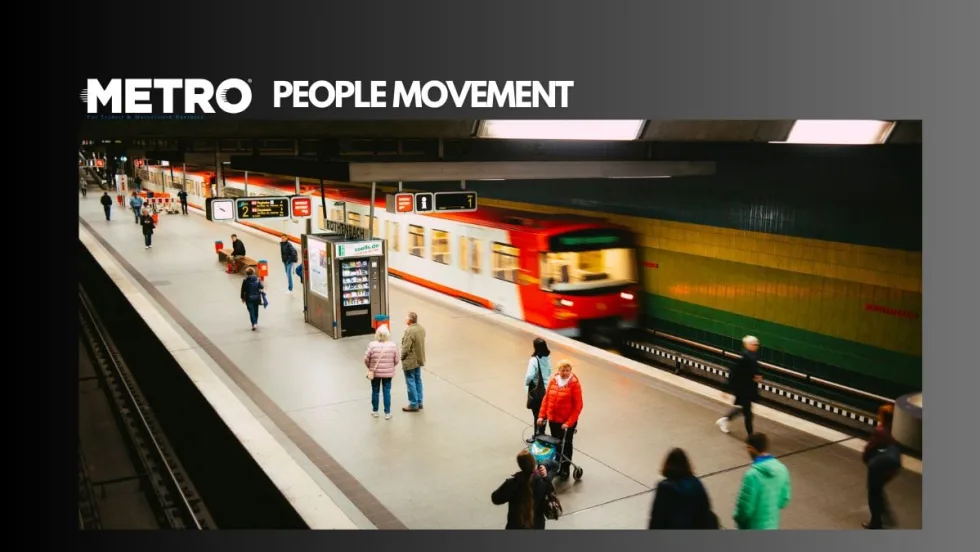
People Movement: Connectpoint Expands Leadership Team, Stadler Names New Group CEO, and More
In this edition, we also spotlight recent personnel moves at Burns, UZURV, and more, highlighting the people taking on new roles across the transportation industry.
Read More →
More Than a Summer Job: Building the Next Generation of Transit Talent
The Delaware River Port Authority and PATCO have transformed their internship program into a hands-on professional development experience that introduces students to the breadth of transportation careers — and creates a pipeline for future employees.
Read More →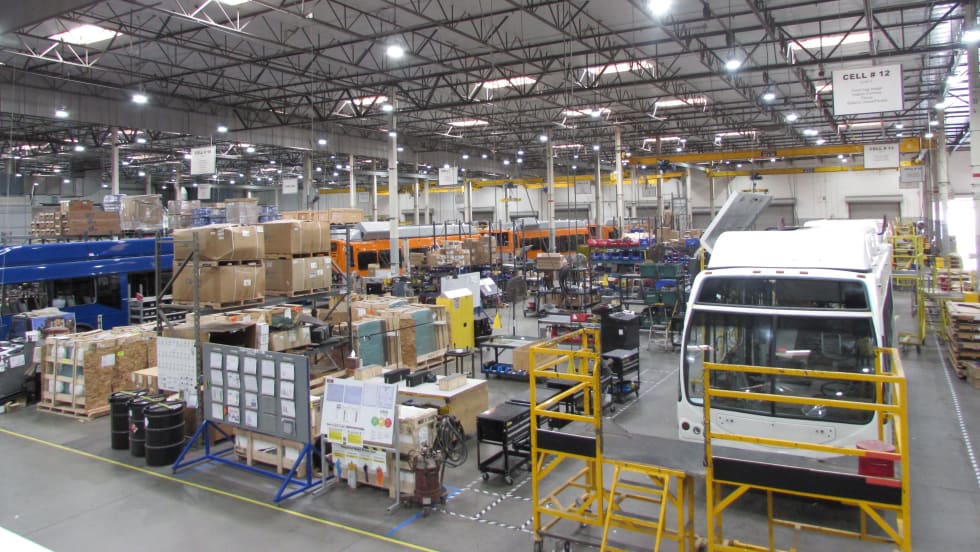
LA Metro Board Awards 220 Battery-Electric Bus Contract to ENC
The contract, which is the largest base award of battery-electric buses by a U.S. transit agency, will be built in Southern California, sustaining good jobs as LA prepares to welcome the world in 2028
Read More →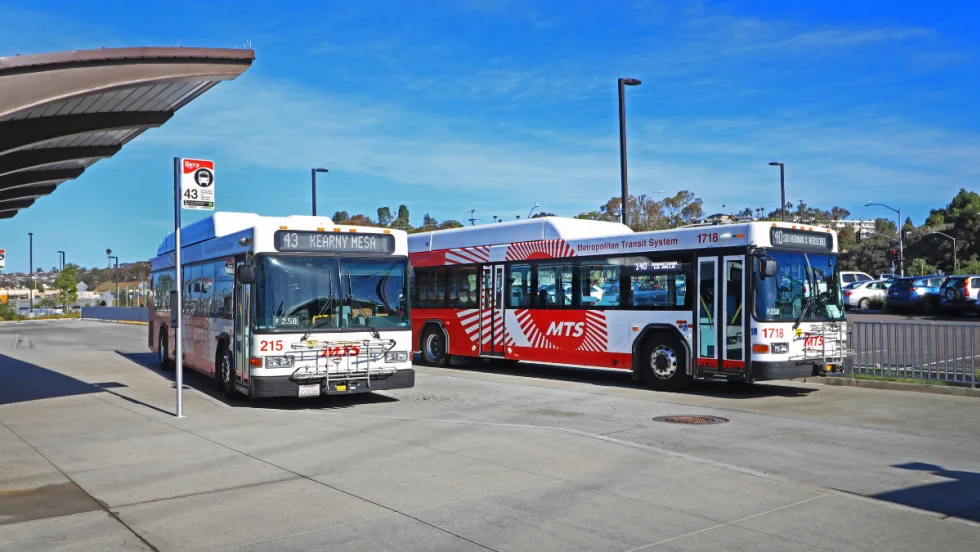
What’s Behind San Diego MTS’s Award-Winning Transit Strategy
Named one of APTA’s 2026 Outstanding Public Transportation Systems with 50 million or more annual passenger trips, California’s San Diego Metropolitan Transit System points to gains in ridership, safety, technology, and reliability as foundations of its success.
Read More →
Public Transit Conference Returning to GFX in 2027, Call for Papers Now Open
The Call for Papers is now open, allowing transit agency professionals and industry experts to help shape the PTC educational program by submitting session ideas for consideration.
Read More →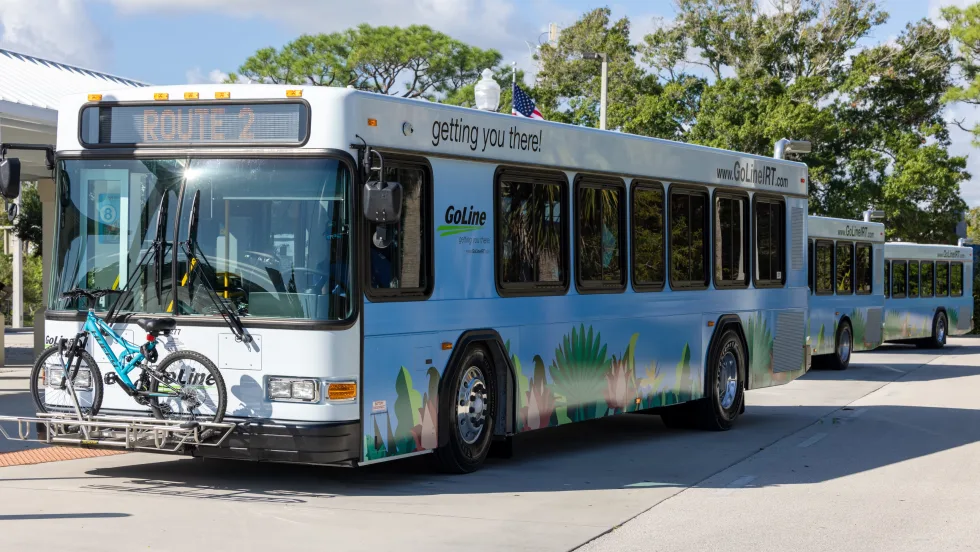
Indian River Transit’s Community-Focused Approach Earns National Recognition
Named APTA’s 2026 Outstanding Public Transportation System in its size category, Florida’s Indian River County transit system continues to grow ridership through fare-free service and a focus on evolving community needs.
Read More →
ENC Lands MATA Contract and More in Biz Briefs
In this edition of Biz Briefs, we spotlight the latest developments shaping the future of mobility.
Read More →From Surviving to Thriving: Building Stronger Transportation Organizations
Bus Business Consultants founder Brian Dickson shares lessons on leadership, organizational health, and creating options for long-term success in a changing transportation industry.
Read More →