



Visibility of explosive detection units increases, creates deterrent
More bomb detection teams deployed by TSA are helping to create a better security force for transit agencies.

Explosive Ordnance Disposal (EOD) units in the public transit sector are becoming more visible. As a result, they provide not only a deterrent to would-be criminals but also give passengers a comfort zone in seeing how security is handled. Bomb-sniffing dogs are one aspect of an EOD unit. Started in 1972 and referred to as the Explosives Detection Canine Team Program, the canines were initially trained to conduct thorough searches of airport terminals and aircrafts. This has changed since the Nixon era, with the teams now covering transit and rail systems as well. Originally managed by the Federal Aviation Administration, and now handled by the Transportation Security Administration (TSA), a pilot program was eventually created to utilize the teams within public transit. In 2000, the Metropolitan Atlanta Rapid Transit Authority (MARTA) became the first transit agency to receive a certified canine team. According to TSA spokesperson Yolanda Clark, one significant reason why MARTA was chosen is because its rail station is located at Atlanta’s Hartsfield International Airport. “The station is built into the physical infrastructure of Hartsfield,” she explained. “Passengers can take MARTA directly into the airport, check in and then proceed onto the concourse.” MARTA recently added a third canine team to its Bomb Assessment Team (BAT), and a fourth is currently undergoing TSA training. MARTA Chief of Police Gene Wilson considers the canine teams the most visible aspect of the BAT and is pleased with the outcome of the pilot program. “They’re on the system for all kinds of reasons,” he said. “It is a deterrent; it gives people that ride public transportation a sense of security; and we’re also using the program to see if the dogs work for us.” In sizing up what the venture has meant for the transit system, Wilson added, “Are we getting a good return for our investment? Right now, I’d say that we are.” The canine teams cover the entire MARTA system and are stationed wherever the agency sees fit. So far their presence has been welcome by passengers. “People are aware that these units are for their safety,” said MARTA spokesperson Steen Miles. “They don’t appear to be inconvenienced or repulsed by these big dogs.” At the Washington (D.C.) Metropolitan Area Transit Authority (WMATA), although canines are part of the bomb squad as well, its latest addition is far from being furry. A robot manufactured by Remotec in Oak Ridge, Tenn., joined the WMATA team this summer. Costing well under the $150,000 offered by the federal government, the final product took several months to complete. The machine provides the three-member squad with a safety cushion. “The robot is what we would call a ‘weapons platform,’” said WMATA Officer Bill Potts. “It has the capabilities to inspect a suspicious device, and do so at a very safe distance from the operator or bomb tech.” Having multiple cameras and an articulated track chassis for all-terrain maneuvering abilities, the customized robot is also narrow enough to travel down train or bus aisles. Although the robot hasn’t been used in an actual operation, the officers continue to train with it. Because WMATA’s EOD unit is not full-time, the most important issue is maintaining the safety of not only the public but of the officers themselves. “We’re not a full-time unit, but we’re working on that right now,” said Potts. “Having collateral duties is a problem that limits our abilities.” Having regular patrolling duties in addition to bomb squad responsibilities can interfere with the time that must be devoted to one or the other. “It hasn’t become a safety issue yet, but it’s a possibility. The trend is to have full-time units, and that’s what we’re hoping for,” Potts said.
More Management
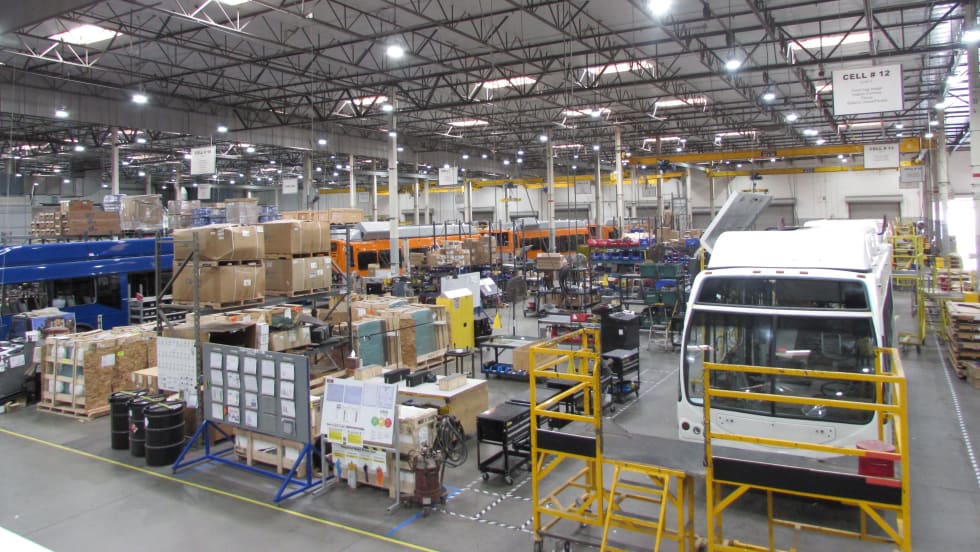
LA Metro Board Awards 220 Battery-Electric Bus Contract to ENC
The contract, which is the largest base award of battery-electric buses by a U.S. transit agency, will be built in Southern California, sustaining good jobs as LA prepares to welcome the world in 2028
Read More →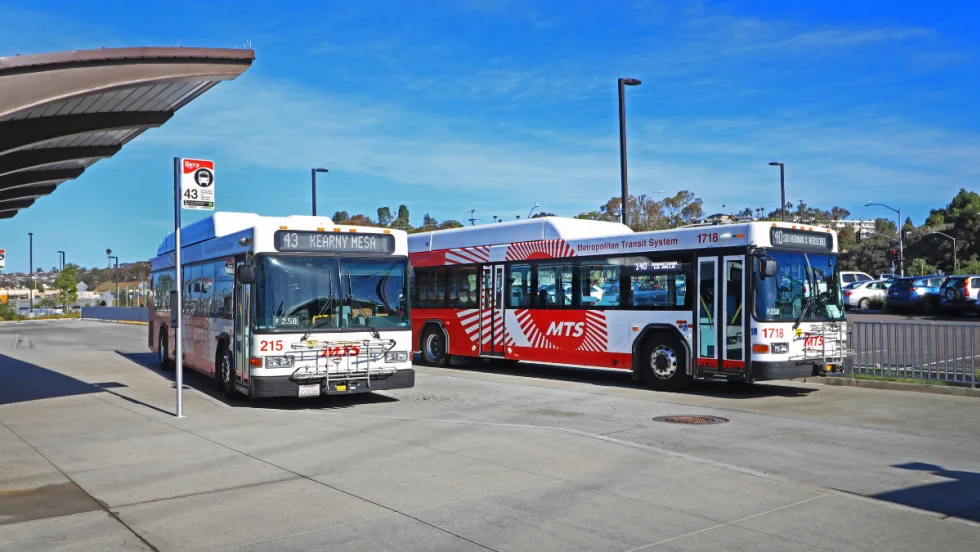
What’s Behind San Diego MTS’s Award-Winning Transit Strategy
Named one of APTA’s 2026 Outstanding Public Transportation Systems with 50 million or more annual passenger trips, California’s San Diego Metropolitan Transit System points to gains in ridership, safety, technology, and reliability as foundations of its success.
Read More →
Public Transit Conference Returning to GFX in 2027, Call for Papers Now Open
The Call for Papers is now open, allowing transit agency professionals and industry experts to help shape the PTC educational program by submitting session ideas for consideration.
Read More →
Indian River Transit’s Community-Focused Approach Earns National Recognition
Named APTA’s 2026 Outstanding Public Transportation System in its size category, Florida’s Indian River County transit system continues to grow ridership through fare-free service and a focus on evolving community needs.
Read More →
ENC Lands MATA Contract and More in Biz Briefs
In this edition of Biz Briefs, we spotlight the latest developments shaping the future of mobility.
Read More →
From Surviving to Thriving: Building Stronger Transportation Organizations
Bus Business Consultants founder Brian Dickson shares lessons on leadership, organizational health, and creating options for long-term success in a changing transportation industry.
Read More →
Everett Transit, Community Transit Outline Consolidation Agreement
The proposed agreement calls for a 50% increase in bus service in Everett, a new microtransit zone, continued paratransit service, and the transfer of Everett Transit operations to Community Transit.
Read More →
Strada360’s Steve Lassey on Turning Transit Data Into Better Decisions
From breaking down data silos to preparing for AI, Strada360 CEO Steve Lassey discusses how transit agencies can use technology to improve operations, customer information, and long-term decision-making.
Read More →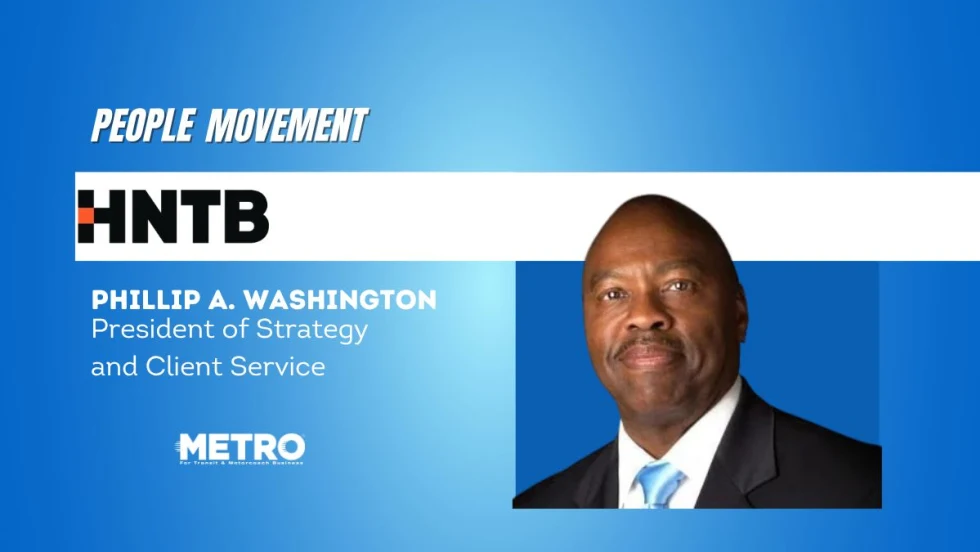
People Movement: Phil Washington Joins HNTB, Denver RTD Launches CEO Search, and More
In this edition, we also spotlight recent personnel moves at STV, the Eno Center for Transportation, and more, highlighting the people taking on new roles across the transportation industry.
Read More →
SEPTA Details Accelerate Vision for Transit System
The plan outlines investments in trolley modernization, new Metro and Regional Rail vehicles, accessible stations, and more frequent bus and rail service.
Read More →