



The transit industry must do a better job selling this exciting, ambitious transition [to zero-emission vehicles] and getting the funding that such a “moon shot” or “green new deal” warrants.
Zero-emission vehicles pose complex challenges to smaller fleets
METRO Publisher James Blue discusses some of the issues smaller agencies face when looking at switching to an all zero-emission fleet.
by James Blue, Publisher
July 9, 2019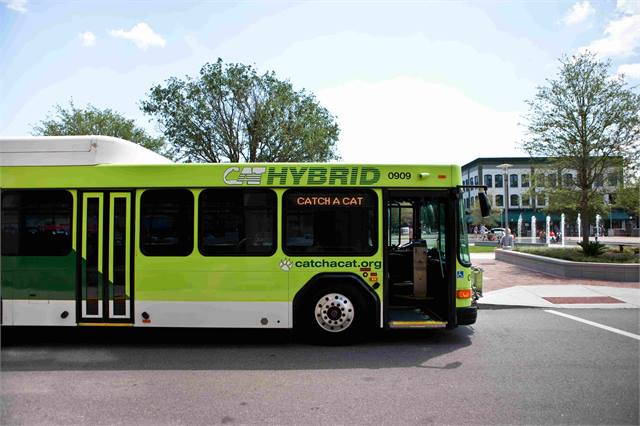
The growth of the ZE sector of the bus market, comprising battery-electric buses, hydrogen fuel-cell buses, and electric trolleybuses, has grown by nearly 20% per year in the past decade
Chatham Area Transit
3 min to read
The growth of the ZE sector of the bus market, comprising battery-electric buses, hydrogen fuel-cell buses, and electric trolleybuses, has grown by nearly 20% per year in the past decade
Chatham Area Transit
The list of cities committing to zero-emission (ZE) fleets by a specific date continues to grow at a rapid rate. Committed to doing its part against climate change and to fostering new industries, California leads the pack as a series of state laws and expanded and new state programs have been adopted to reach a zero-emission transit fleet by 2040.
While bus operating agencies in larger and medium-size cities are also adopting such commitments, or at least carefully following what those on “the left coast” are doing as they contemplate similar steps, the ZE transition presents some difficult and sometimes wholly different challenges for small and rural operations.
Challenge with longer routes
The growth of the ZE sector of the bus market, comprising battery-electric buses (BEBs), hydrogen fuel-cell buses (FCBs), and electric trolleybuses, has grown by nearly 20% per year in the past decade, according to Bloomberg Finance, and that growth is likely to accelerate in the next decade and beyond. Several studies project BEBs will comprise one-half of all sales by the middle of the next decade, again spurred by California, which has mandated that its transit agencies purchase one-half of all new purchases beginning early in the 2020s and ramping up to 100% later in that decade.
These mandates and commitments often fail to recognize some real-world technical challenges that BEBs, and even FCBs, are facing. While both continue to improve their range and reliability almost daily, the range of BEBs in actual operation still average at best two-thirds that of a diesel or natural gas-powered bus. That is not good news for rural operators, who often have very long routes between smaller towns and nearby cities. And for HFCs, availability of hydrogen can be a huge challenge.
Even the Golden State recognizes smaller fleets need more time to complete the transition and has written this into the state’s new regulation. First, they don’t buy buses and undertake facilities projects as often as their bigger cousins. Second, bigger fleets with bigger procurements can help drive market suppliers to meet specific needs; smaller fleets can only do this in a limited way, even when they band together in purchasing consortia or order their buses through statewide procurement schedules. Finally, smaller operations have much less ability to influence electric utility rates than their big-city cousins.
This comes at a cost
Whether large or small, all of these issues amount to a fundamental reality that the industry must face and ask for help directly: these ambitions come at a cost that is greater than current technologies.
Sure, the ZE bus capital costs differences over conventional technologies should narrow over time to a rough parity, and ZE buses might even save money over time but “over time” is the operative phrase in this sentence. The industry must do a better job selling this exciting, ambitious transition and getting the funding that such a “moon shot” or “green new deal” warrants.
Subscribe to Our Newsletter
More Zero Emissions
Ohio’s METRO RTA Turns Electric Buses into Mobile Power Sources at PorchROKR
See how three Gillig battery-electric buses powered festival stages while the agency’s new Park & Ride service carried approximately 1,000 attendees, demonstrating another potential use for transit agencies’ electric fleets.
Read More →
CALSTART and Forth Combine to Form Catalyst Mobility
The new name represents a renewed vision for the nonprofit focused on advancing clean, equitable, and affordable transportation solutions that move people and goods.
Read More →
Building a Flexible Path to Transit Electrification
John Hroncich discusses BAE Systems’ modular and scalable approach, lessons learned from decades of real-world operations, and how agencies can identify electrification strategies that fit their fleets.
Read More →
California's VVTA Begins Phased Rollout of Hydrogen Fuel Cell Buses
The agency is introducing 13 zero-emission buses into revenue service while evaluating performance across its urban, rural, and long-distance routes.
Read More →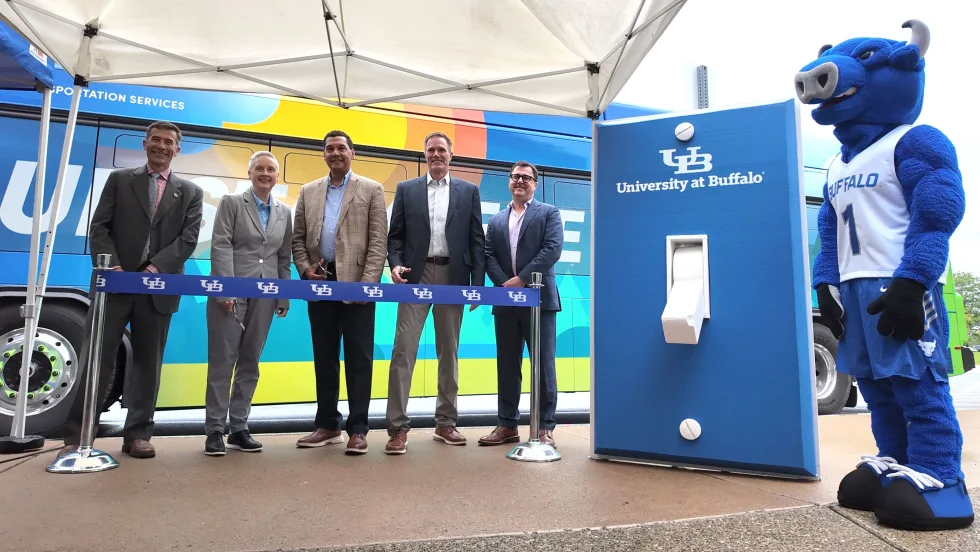
Inside Look: University at Buffalo Puts First 8 Electric Buses Into Stampede Service
UB, transportation solutions provider WeDriveU, and fleet electrification specialist Zenobē marked the deployment in the presence of students, university administrators, and local officials.
Read More →
Biz Briefs: OCTA Taps Clean Energy for Hydrogen Station, Stadler to Supply Via Rail Vehicles, and More
From manufacturers and suppliers to transit agencies and motorcoach operators, these updates offer a snapshot of the projects, partnerships and business moves driving the industry forward.
Read More →
AC Transit’s Cecil Blandon on Building the Next Generation of Transit Maintenance Leaders
The agency’s maintenance chief discusses leadership, workforce development, zero-emission technology, and preparing technicians for the future of public transportation.
Read More →
CTDOT Taps STV for Electric Bus Facility Design
The firm will work with CTDOT and RVT to define the facility layout, operational requirements, and long-term flexibility for RVT’s growing electric fleet.
Read More →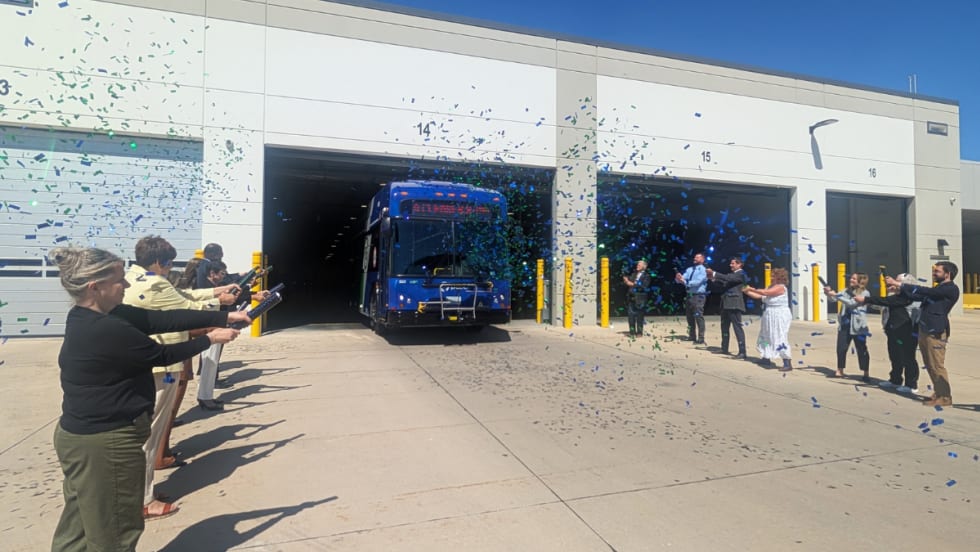
Chicago’s Pace Deploys 24 Hybrid-Electric Buses in Will County
The new buses reduce emissions and fuel consumption while advancing the agency's long-term goal of transitioning to a fully zero-emission fleet.
Read More →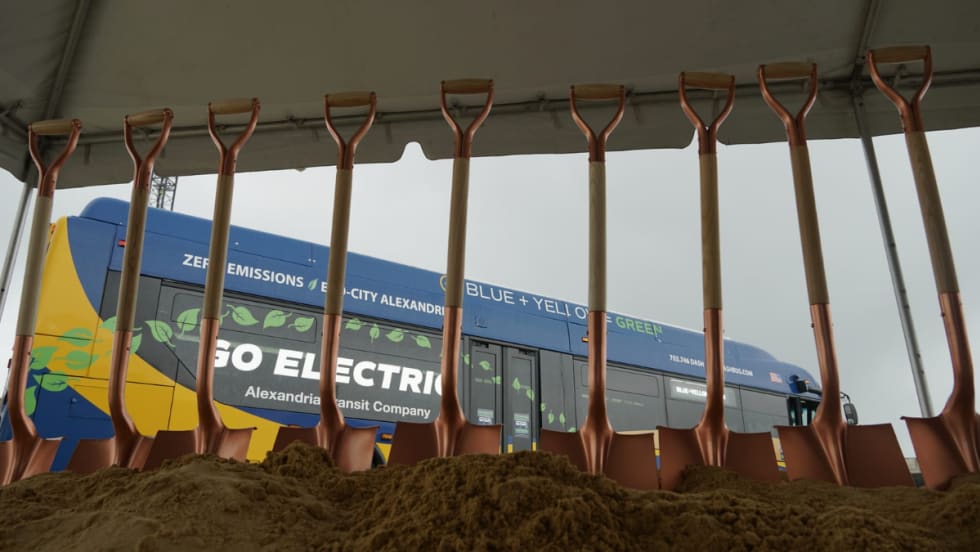
DASH Breaks Ground on First On-Route Electric Bus Chargers in D.C. Region
The fast-charging infrastructure will help extend electric bus range, improve fleet utilization, and support DASH's goal of transitioning to a fully zero-emission fleet.
Read More →