



Why Real-Time Intelligence Could Be Key to Restoring Commuter Confidence
People do not just want social distancing on trains and hand sanitizers. They want control — and they want it every step of the way.

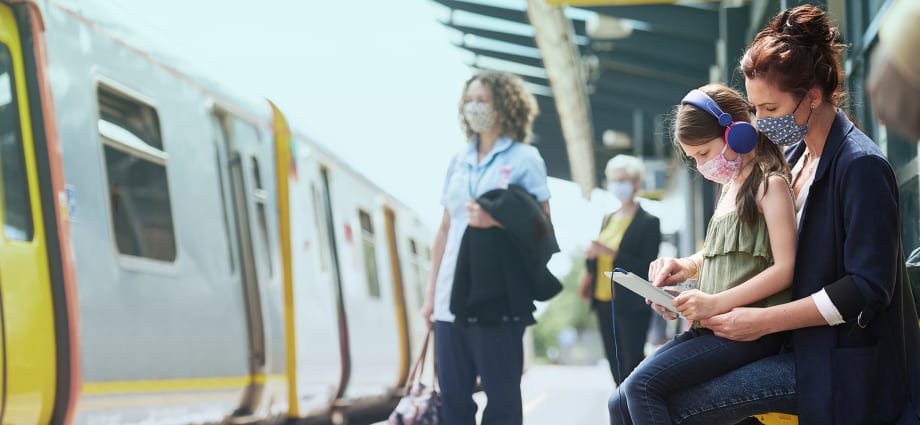
Many rail and metro transit operators have been quick to act — encouraging mask-wearing, placing floor markings, installing hand sanitizers, and directing people to less-crowded areas with signage.
Veovo
According to surveys by Transport Focus and PwC, over 60% of UK Underground users and 77% of U.S. transit commuters feel that physical distancing must remain at stations and on trains for them to feel safe using public transport.
Many rail and metro transit operators have been quick to act — encouraging mask-wearing, placing floor markings, installing hand sanitizers, and directing people to less-crowded areas with signage.
And yet, the surveys suggest the visible evidence of safety protocols is not enough to restore traveler confidence alone. According to the PwC survey, commuters rank having a sense of control over their surroundings as more important than visible COVID-19 safety measures.
With so many unknown factors surrounding travel — different schedules, varying passenger numbers and changing behavior — travelers want to know they can quickly move to a safer space. Or, change their plans to minimize the risk of infection.
So, how do operators keep commuters safe, restore their confidence, and give them a sense of control? Real-time, intelligent data may hold the answer.
The more informed, the safer commuters feel
One of the best ways travelers can feel safer is through real-time information-sharing and guidance.
Measures that are proving effective include the combination of dynamic digital signage, and mobile apps that allow people to access real-time journey information. This includes departure and arrival times, entrance congestion, platform and carriage density levels, and recommendations for the best places to stand.
With this at hand, commuters can choose a less-crowded station or alter their travel time. What is more, transit use becomes better distributed as a result — further minimizing the risk of bottlenecks, and ultimately, improving the experience for all.
The better understanding of flow, the faster operators can flex
Of course, ensuring safety requires a lot more than just giving passengers access to information. To manage physical distancing effectively, operations staff also needs to know passenger flow and occupancy levels. This includes expected arrivals and departures — whether by stairs, escalators, lifts or on trains — and their respective numbers.
They also need to know how commuters behave while in the station, as well as be able to see the impact of delays and missed trains. By understanding how and when people arrive or depart, and how they move through the station, operators can quickly identify potential problem areas and take action.
The bigger the picture, the better decisions made
Artificial intelligence and visualization tools are increasingly being used to detect overcrowding and to monitor and encourage distancing. These technologies can also be used to assess the operator’s reaction to a set of circumstances and improve the response to similar scenarios in the future.
By implementing a system that connects to and transforms any data source — including Wi-Fi/Bluetooth and 3D sensors, ticketing, and train schedules — into actionable insight, operators can make the right decisions for their station, network, and passenger safety.
Measuring density in real time and analyzing trends in movement over time means that operations can not only minimize crowding but predict and respond quickly to potential breaches.
Blending this input with historical data also proves useful to understand the impacts of unexpected events on operations. This could include constructions, repairs, incidents, or delays — enabling operators to plan their staff resourcing more accurately, train distribution, and scheduling.
Benefits down the line
Passenger numbers will inevitably continue to increase as restrictions ease, and the challenges faced by public transit will undoubtedly be significant. To be post-pandemic ready, the arguably most robust option is to combine real-time crowd information with historical data and machine learning.
This will ensure that operators not only effectively implement and maintain physical distancing but also better plan for future developments and improvements. No matter what measures we see in the future, operators will need system-wide insights to adapt to capacity changes. But ensuring passenger health and safety will always come first.
Christian Bugislaus Carstens is PR & Digital Marketing Manager for Veovo
More Blog Posts
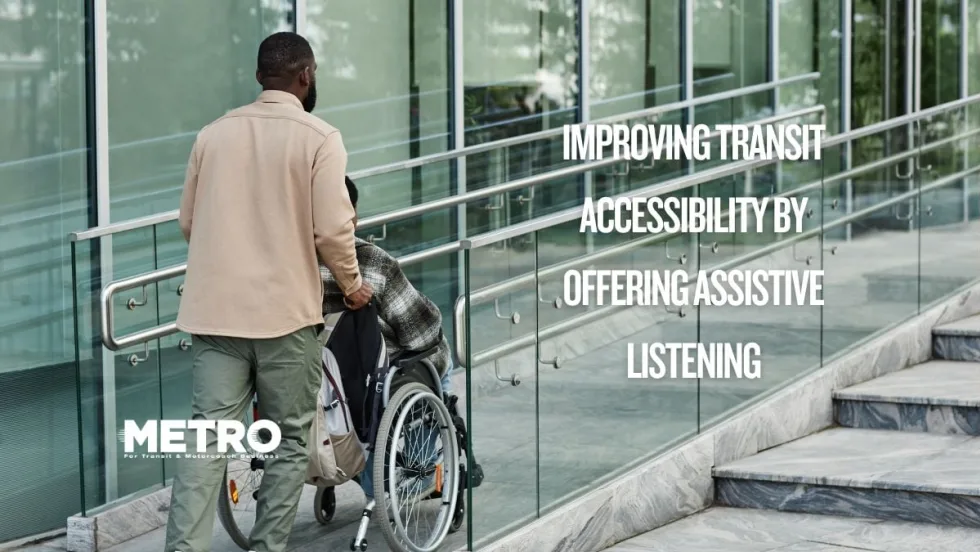
Improving Transit Accessibility by Offering Assistive Listening
Did you know that there are literally tens of millions of people worldwide with hearing loss, many of whom will use some form of public transit at some point?
Read More →
35 Years of the ADA, Making Travel Easier for Seniors
Thirty-five years after the passage of the Americans with Disabilities Act of 1990 (ADA), the impact of this landmark piece of civil rights legislation cannot be overstated.
Read More →
Driving Performance with Purpose: How I Lead One of Greyhound’s Top Teams
Safety, on-time performance, and customer experience are critical elements in intercity bus operations. But getting them right doesn’t come down to plans or protocols alone. It comes down to execution. How well your team performs on the ground, in real time, is what defines success.
Read More →
Navigating Emerging Privacy Laws: A Call to Action for Service Providers in Mass Transit
With Data Privacy Day Jan. 28, I want to spotlight a critical challenge faced by service providers in the mass transit sector: managing personal information responsibly in an era of rapidly evolving privacy regulations.
Read More →
Human Trafficking Awareness: What Public Transportation Can Do?
January is National Slavery and Human Trafficking Prevention Month in the U.S., and January 11 is National Human Trafficking Awareness Day.
Read More →
Want to Improve Transit Safety and Operations? Break Down the Silos
Retrieving and reviewing data and video can be a cumbersome process for fleet managers. Each system or tool provides a piece of the puzzle, but seeing the complete picture requires tedious manual synchronization.
Read More →
Ensuring Public Transit Cybersecurity Through Robust Protective Measures
In today’s highly connected world, cybersecurity is of utmost importance, particularly for transportation agencies overseeing transit bus systems that rely increasingly on sophisticated technologies, including the use of data analytics in traffic signal networks, to manage and operate their systems.
Read More →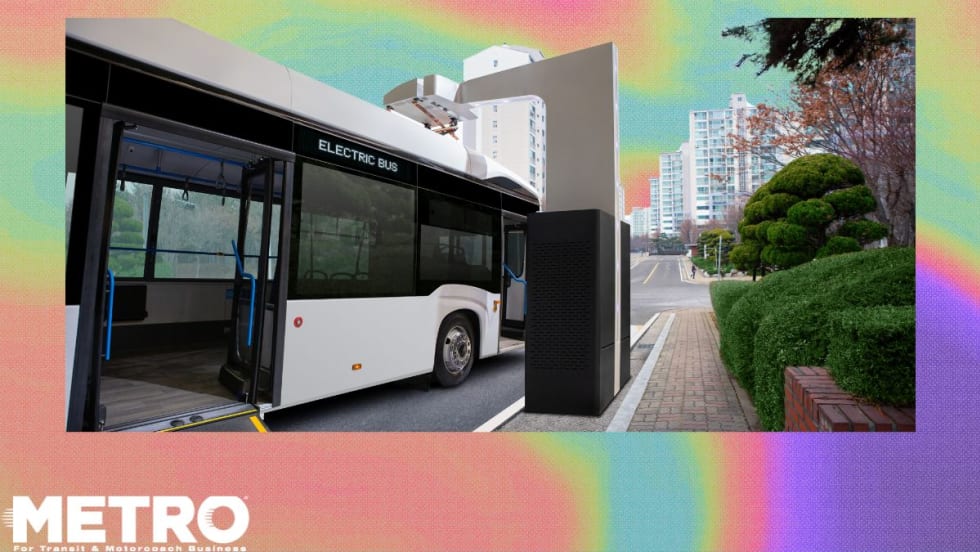
How Advances in Thermal Management Revolutionize Urban Mobility
In the daily hustle and bustle of city life, transit buses serve as the backbone of urban transportation, allowing millions of city dwellers to get from point A to point B each day reliably.
Read More →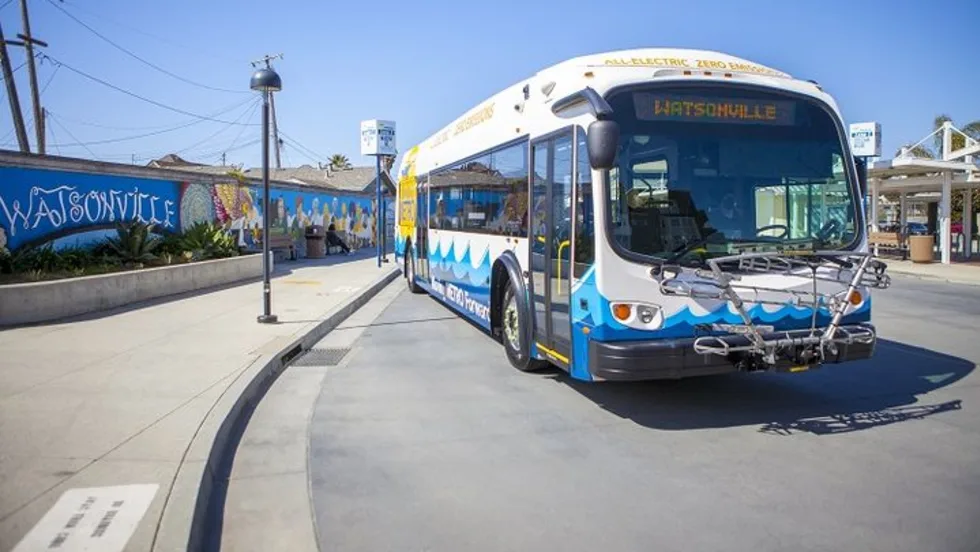
The Evolution of Bus Design
Thirty years ago, drivers not only had to drive the bus and navigate heavy traffic, but they were also responsible for tasks like supervising passenger loading and unloading, selling tickets, and providing passengers with various kinds of information, all while sitting in an often ill-fitting workstation.
Read More →
What 'Transit Safety 101' Really Means
Safety, Safety, Safety. This word is used repeatedly, and in many contexts, without most people understanding what it actually means.
Read More →