




The $6.2 million contract was awarded to Siemens Mobility Inc. and includes the purchase, installation and warranty of these high-tech cameras and supporting computer systems. They will be installed on new buses that will be delivered from 2019 to early 2020.
NY MTA to install cameras on buses for bus lane traffic enforcement
The $6.2M contract, awarded to Siemens Mobility Inc., includes purchase, installation, and warranty of cameras and computers.
March 26, 2019
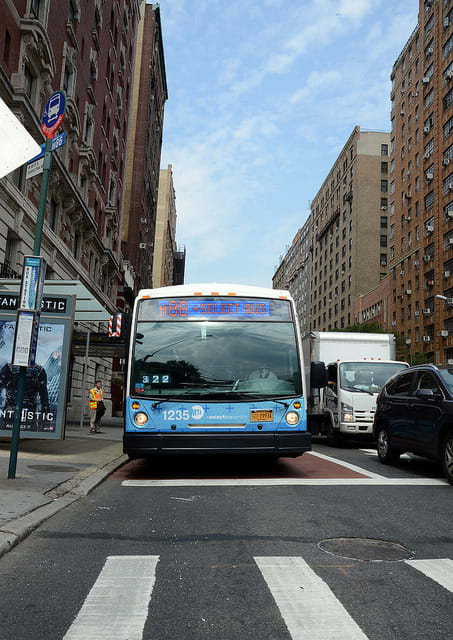
NYC Transit will install an Automated Bus Lane Enforcement system on 123 buses serving some Select Bus Service routes in Manhattan and Brooklyn.
Marc A. Hermann/MTA
2 min to read
NYC Transit will install an Automated Bus Lane Enforcement system on 123 buses serving some Select Bus Service routes in Manhattan and Brooklyn.
Marc A. Hermann/MTA
MTA New York City Transit announced plans to purchase an automated mobile camera system on buses to capture real-time bus lane violations as the agency and New York City’s Department of Transportation step up combined enforcement efforts to increase bus speeds and keep traffic moving on congested city streets.
As part of NYC Transit’s plans to modernize the bus fleet and speed up bus rides, NYC Transit will install an Automated Bus Lane Enforcement (ABLE) system on 123 buses serving some Select Bus Service routes in Manhattan and Brooklyn. The ABLE system will be used for a pilot program to evaluate the efficacy of automated enforcement of bus lanes and its effect on bus speeds and travel times.
The ABLE system captures the license plate information, photos and videos, as well location and timestamp information, of vehicles obstructing bus lanes to document clear cases of bus lane violation. The system collects multiple pieces of evidence to ensure that vehicles making permitted turns from bus lanes are not ticketed. This information is transmitted to NYCDOT for review and processing.
NYC Transit is working with NYCDOT and NYPD to increase bus lane enforcement in highly congested areas, with results so far yielding faster bus speeds by as much as 17% on a portion of Fifth Avenue and 30% near the Hugh L. Carey Tunnel’s Manhattan approach.
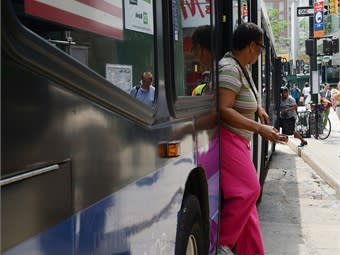
Marc A. Hermann/MTA
Other strategies include:
Redesigning the entire bus network borough by borough to better meet customer needs,
Installing traffic signal priority technology,
Implementing enhanced street designs such as bus lanes and boarding areas for faster bus pull-outs, and
Deploying new modern buses with better reliability and customer amenities.
More Bus
Frontrunner Bus Group Introduces XF Low-Floor Bus with Enhanced Accessibility
The new mid-sized bus features a full flat-floor design, eight-inch curbside step-in height, and zero-entry rear ramp to improve passenger access and operational flexibility.
Read More →
Scenes from APTA TRANSform & EXPO 2026
Transit leaders, manufacturers, and industry professionals gathered in Chicago to explore new technologies, share ideas, and discuss the future of public transportation.
Read More →
More Than a Summer Job: Building the Next Generation of Transit Talent
The Delaware River Port Authority and PATCO have transformed their internship program into a hands-on professional development experience that introduces students to the breadth of transportation careers — and creates a pipeline for future employees.
Read More →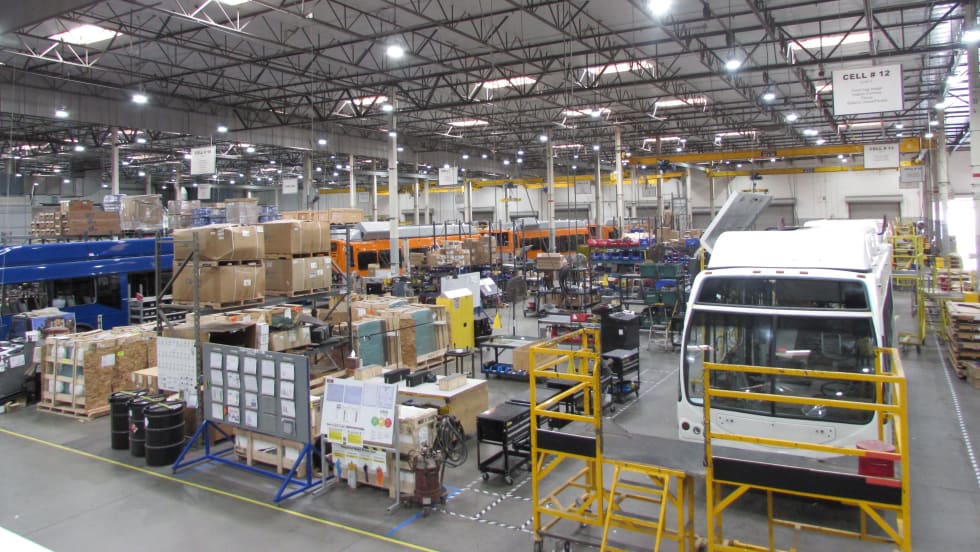
LA Metro Board Awards 220 Battery-Electric Bus Contract to ENC
The contract, which is the largest base award of battery-electric buses by a U.S. transit agency, will be built in Southern California, sustaining good jobs as LA prepares to welcome the world in 2028
Read More →
Public Transit Conference Returning to GFX in 2027, Call for Papers Now Open
The Call for Papers is now open, allowing transit agency professionals and industry experts to help shape the PTC educational program by submitting session ideas for consideration.
Read More →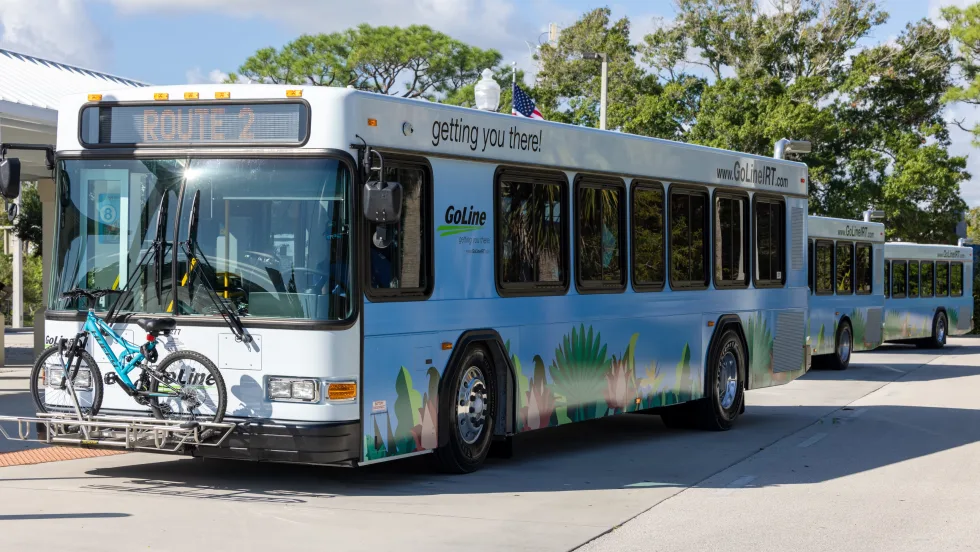
Indian River Transit’s Community-Focused Approach Earns National Recognition
Named APTA’s 2026 Outstanding Public Transportation System in its size category, Florida’s Indian River County transit system continues to grow ridership through fare-free service and a focus on evolving community needs.
Read More →
ENC Lands MATA Contract and More in Biz Briefs
In this edition of Biz Briefs, we spotlight the latest developments shaping the future of mobility.
Read More →
From Surviving to Thriving: Building Stronger Transportation Organizations
Bus Business Consultants founder Brian Dickson shares lessons on leadership, organizational health, and creating options for long-term success in a changing transportation industry.
Read More →
Everett Transit, Community Transit Outline Consolidation Agreement
The proposed agreement calls for a 50% increase in bus service in Everett, a new microtransit zone, continued paratransit service, and the transfer of Everett Transit operations to Community Transit.
Read More →
SEPTA Details Accelerate Vision for Transit System
The plan outlines investments in trolley modernization, new Metro and Regional Rail vehicles, accessible stations, and more frequent bus and rail service.
Read More →