News
LA Metro September Ridership Climbs 3.9%, Led by Rail Growth
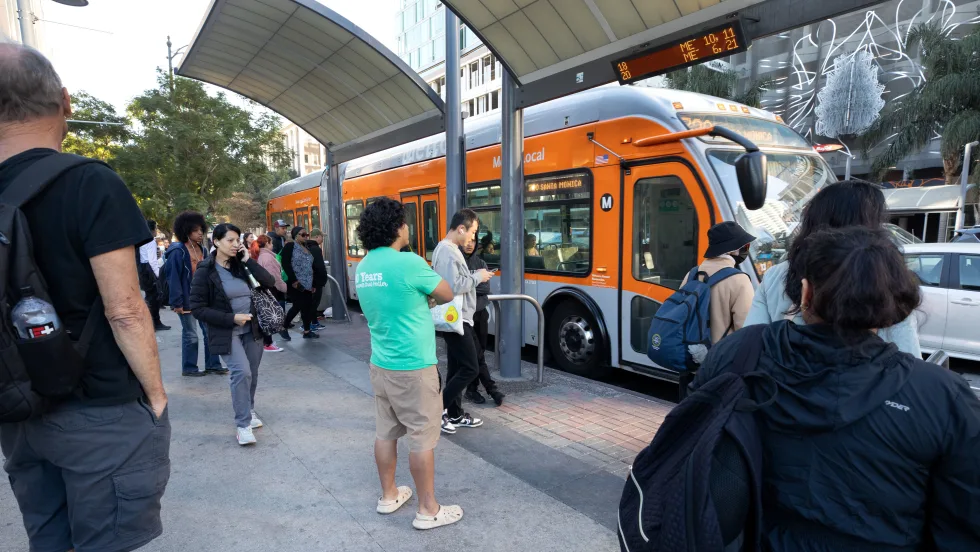
The agency recorded more than 27.2 million boardings, with rail ridership increasing 12.4% year over year and the D Line posting the largest gains.
Read More →

 MENU
MENU SEARCH
The agency recorded more than 27.2 million boardings, with rail ridership increasing 12.4% year over year and the D Line posting the largest gains.
Read More →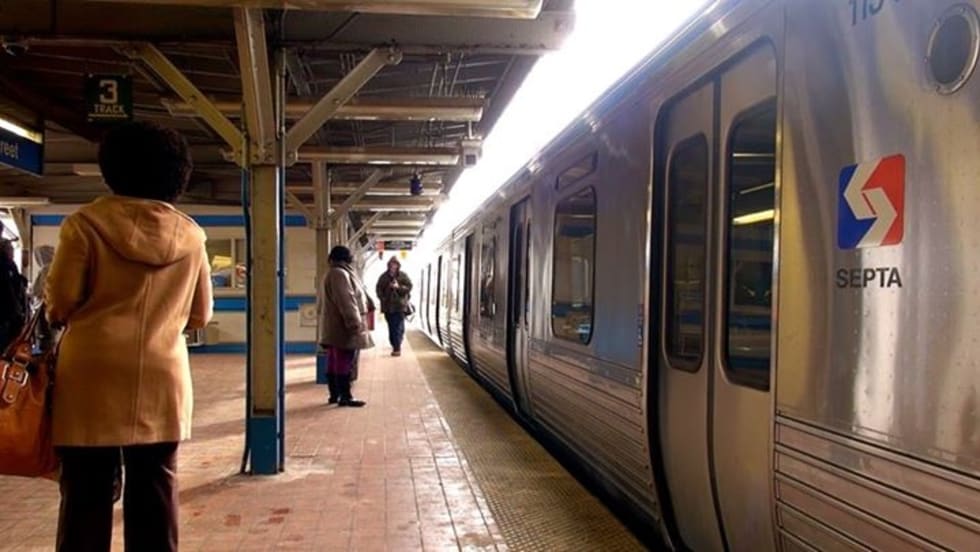
For the first time, the authority’s Operating and Capital Budget Proposals are being presented as an integrated document on a modern web platform, which is ADA compliant to ensure that people with visual or hearing impairments can navigate SEPTA’s budget data.
Read More →
The step marks progress toward the company’s long-range goal of eliminating emissions used to power Amtrak’s trains.
Read More →
The campaign can be seen in the STM’s ad spaces and features frontline workers on the job in the public transit network. The messaging delivers a clear, firm reminder that STM employees “deserve everyone’s respect, every day.”
Read More →
In a Q&A, Matthew Tucker, global transit director for HDR, discusses key challenges transit properties are facing, how agencies can take advantage of the recent surge in federal funding, and much more.
Read More →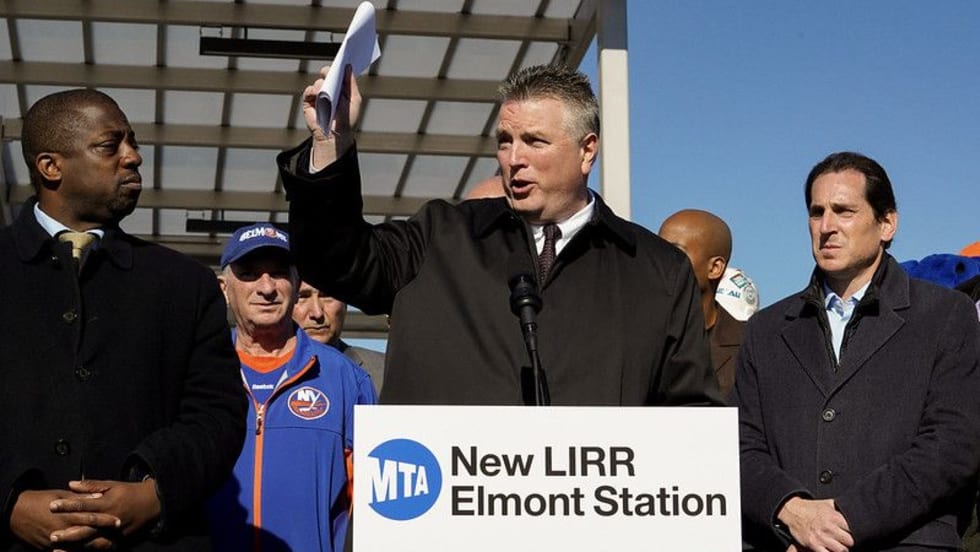
Rob Free has served as LIRR’s acting president for the last six months.
Read More →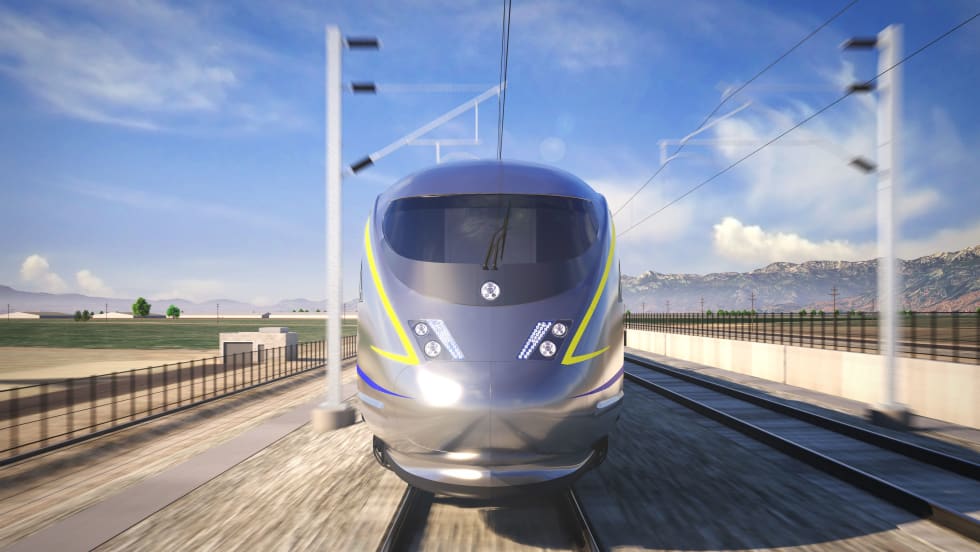
The Authority will now solicit proposals from Alstom Transportation Inc., and Siemens Mobility Inc. — the two prequalified shortlisted firms announced in January.
Read More →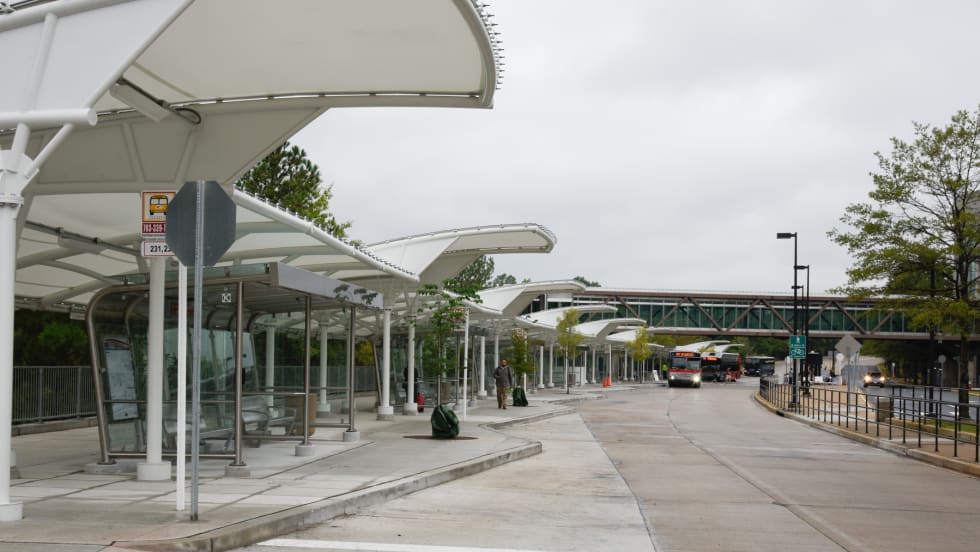
The planned partnership builds on recent coordination related to WMATA's FY 2025 financial challenges. It also provides an opportunity for the region to act with urgency to fully address complex, long-term transit needs.
Read More →
The latest Biz Briefs installment focuses on new fare payment partnerships, CAD/AVL, and all the latest technologies.
Read More →
The bridge and trail have been designed to eliminate the need for residents of Cherry Hill to travel along unsafe pathways, including the light rail tracks, to access the Patapsco stop.
Read More →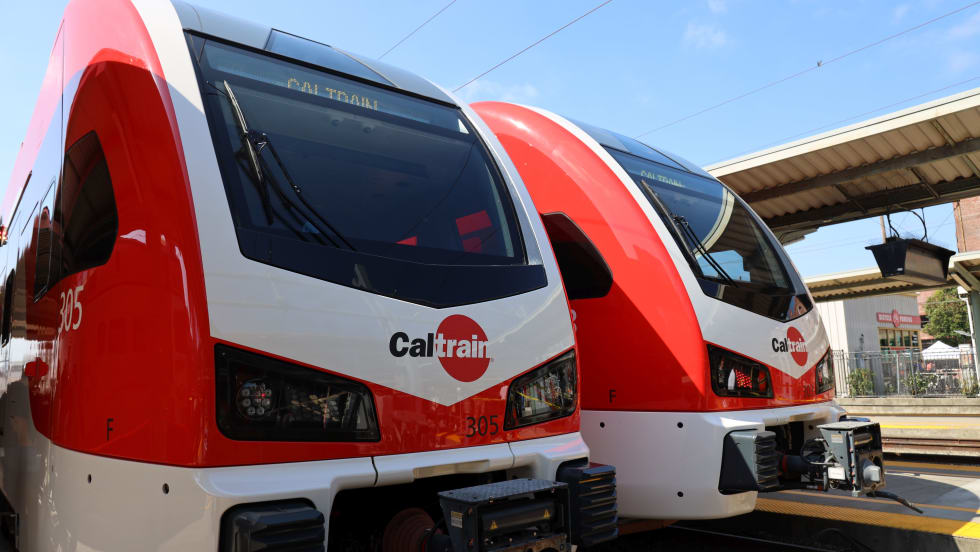
The milestone achievement in the Caltrain Electrification Project signifies major progress in expanding the agency’s ability to test electric trains at full speed along the corridor and prepare for electrified revenue service in September 2024.
Read More →