



Strong local leadership key to successful transportation systems
A new handbook draws on examples from over thirty cities and outlines nearly two dozen policies and strategies that mayors and transportation agency leaders can use to improve urban transportation.


WMATA bus. Photo: JS/METRO Magazine
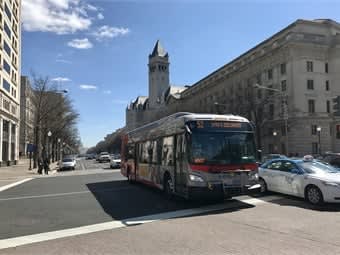
WMATA bus. Photo: JS/METRO Magazine
Despite an onslaught of stories about pending technological revolution and trillion-dollar infrastructure policies, American cities whose transportation systems are performing well are doing so thanks to strong local leadership. On the other hand, a leadership vacuum or institutional disarray frequently mark transportation systems that struggle.
“Mayors whose cities are meeting transportation challenges are putting themselves in the driver’s seat, whether or not they control every facet of transportation" said Steven Higashide, senior program analyst for TransitCenter. "Cities already have a huge array of unheralded tools to shape transportation choices: more and more cities are allocating road space for buses and plazas, rethinking development standards to create more walkable places, and slicing red tape to get projects done fast.”
TransitCenter’s new handbook, “All Transportation is Local” draws on examples from over thirty cities and outlines nearly two dozen policies and strategies that mayors and transportation agency leaders can use to improve urban transportation.
Mayors should:
● Rewrite regulations that force buildings to overcater to the automobile. Many cities have kept obsolete requirements on the books that require that developers overbuild parking and attempt to maintain free-flowing traffic. Dozens of places are doing away with such requirements, making it easier to build walkable, attractive neighborhoods. For example, in 2010 Nashville eliminated rigid standards forcing developers to build parking in downtown, allowing for more pedestrian-friendly construction.
● Get more out of their street infrastructure. As cities grow, they can move many more people by redesigning streets to prioritize transit, walking, and cycling; incentivizing transportation options, and managing curb space to make loading and parking easier. The City of Everett, Mass. recently made national news with a pilot
project that transformed underutilized parking into a bus-only lane, using nothing more than traffic cones and signage. The project was such a hit with both drivers and bus riders that it has been made permanent.
● Hire transportation leaders who are action-oriented and strategic communicators. The most effective city transportation leaders win support for change by connecting transportation to critical city goals like safety, access to opportunity, and economic productivity. They move quickly by embracing new project delivery methods, adopting an experimental mindset, and holding their department accountable to one-year and two-year benchmarks. Seattle has set a goal of having over 70% of city residents within walking distance of frequent transit — and is making it happen by adding signal priority, bus lanes, and other improvements on key routes.
● Form alliances with civic leaders, transit agencies, and employers so that transit improvements happen in tandem with street improvements and that policy changes happen with community backing. Business groups and transportation advocates in Denver were instrumental in supporting a regional transit vision in the early 2000s, and remain highly engaged as the city writes its own transit plan.
“I worked for two strong mayors that wanted innovation at almost all cost. The most important thing they did was to have my back,” said Gabe Klein, the former transportation commissioner of Chicago and Washington, D.C. “That enabled lots of controlled experimentation, where we set the expectation with the public that we were going to try new things and move quickly."
“Cities like Memphis and Boston are currently using quick-build techniques to reconfigure dangerous intersections. Richmond, Seattle and Everett, Mass. are successfully working to get more out of their bus system. These sorts of quick wins establish public confidence and encourage constituents to see urban space as something subject to change."
More Management
Brian Dickson on Building Stronger, More Resilient Transportation Organizations
Bus Business Consultants Founder Brian Dickson discusses the leadership principles, operational discipline, and strategic planning that separate transportation companies positioned for long-term success from those stuck in survival mode.
Read More →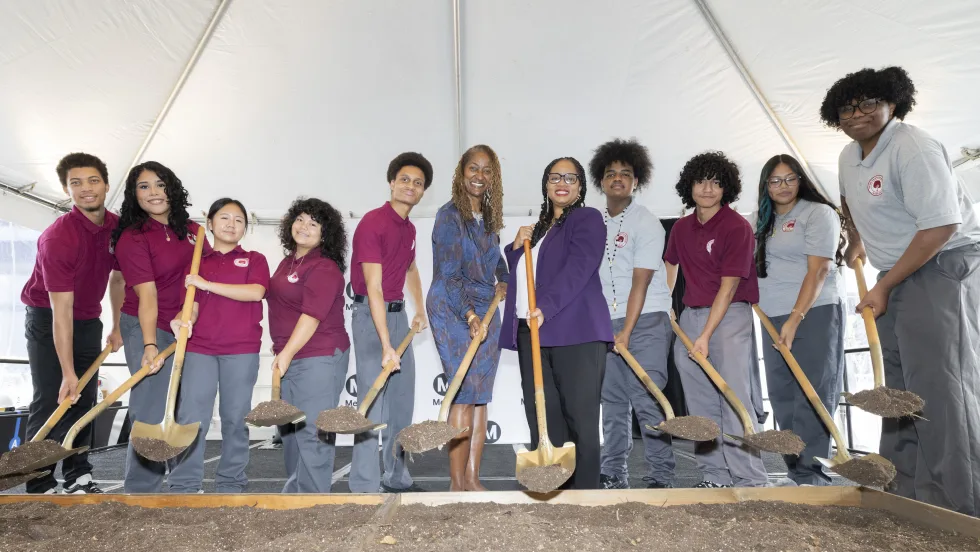
LA Metro Breaks Ground on Vermont BRT Project
The 12.4-mile corridor is projected to serve 66,200 daily riders, reduce travel times by up to 24%, and create the nation's busiest bus rapid transit corridor.
Read More →
Building Stronger Leaders, More Resilient Transit Teams
Dr. Carol Parker Walsh discusses leadership development, employee retention, workplace culture, and preparing transit’s workforce for AI and automation.
Read More →
Roman Cornell on ABC Companies’ Evolution and the Future of Passenger Transportation
The company’s CEO discusses carrying forward a third-generation family legacy, ABC’s continued evolution in passenger transportation, support for increasingly complex fleets, and how technology and continued investment could help operators improve uptime.
Read More →
CATS Launches West Charlotte Microtransit Zone, Expands Transit Services
The new microtransit zone connects residents to key destinations as Charlotte Area Transit System rolls out the first phase of its 2055 Transit System Plan.
Read More →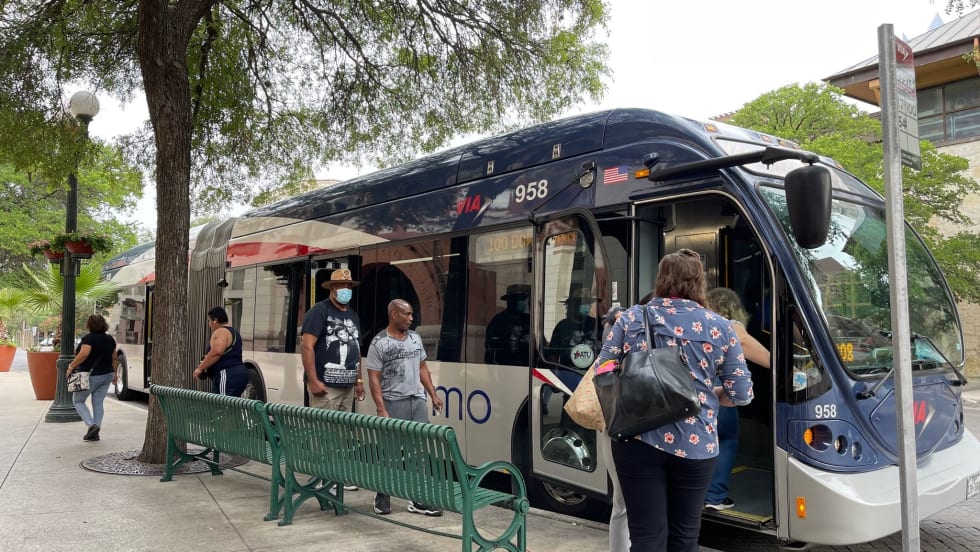
VIA Bus Ridership Grows 10.1% Through August 2026
San Antonio's VIA Metropolitan Transit reported the highest bus ridership growth among major Texas transit systems. Federal Transit Administration data ranked it second among the nation's 50 largest transit systems.
Read More →
CSA Group Releases Climate Resilience Standard for Transit, Passenger Rail
Developed with support from the Standards Council of Canada, CSA D700 guides assessing climate-related risks and planning adaptation measures for transit and passenger rail systems.
Read More →
ETA CEO John Maglio on Transit Technology, Innovation, and Building Agency Trust
ETA founder and CEO John Maglio explores the evolution of transit technology, the importance of reliable systems, and how stronger partnerships can help agencies improve operations and the passenger experience.
Read More →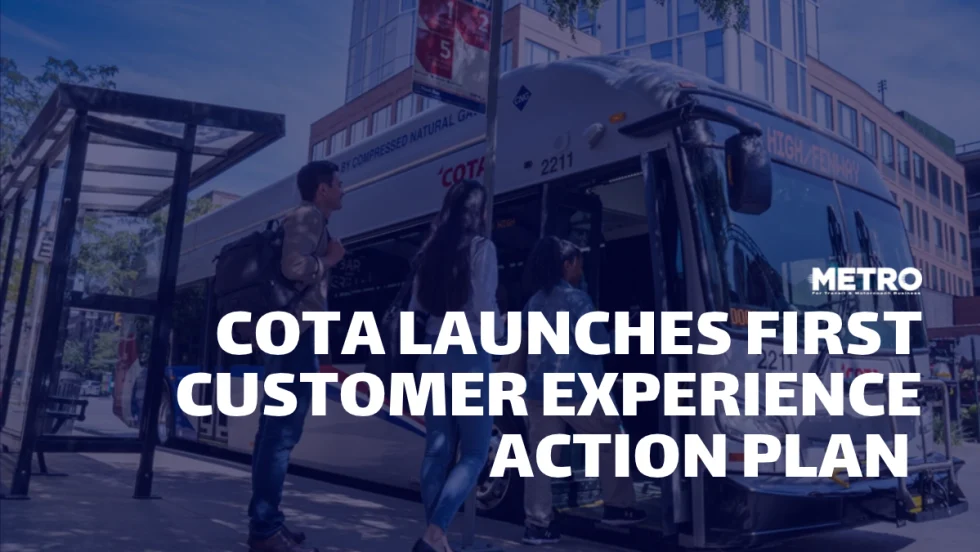
COTA Launches First Customer Experience Action Plan to Improve Transit Service
The new plan outlines improvements to service reliability, accessibility, communication, and the overall rider experience across Central Ohio's transit system.
Read More →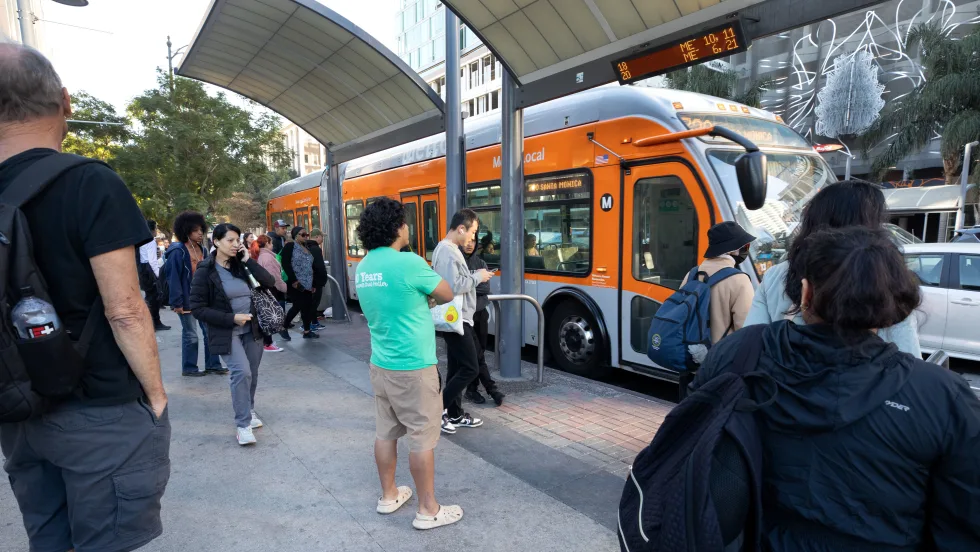
LA Metro September Ridership Climbs 3.9%, Led by Rail Growth
The agency recorded more than 27.2 million boardings, with rail ridership increasing 12.4% year over year and the D Line posting the largest gains.
Read More →