



74% of Americans want Congress to increase public transit investment, study finds
In addition, 80% said public transit is valuable to communities because it provides vital connections to fundamental resources.

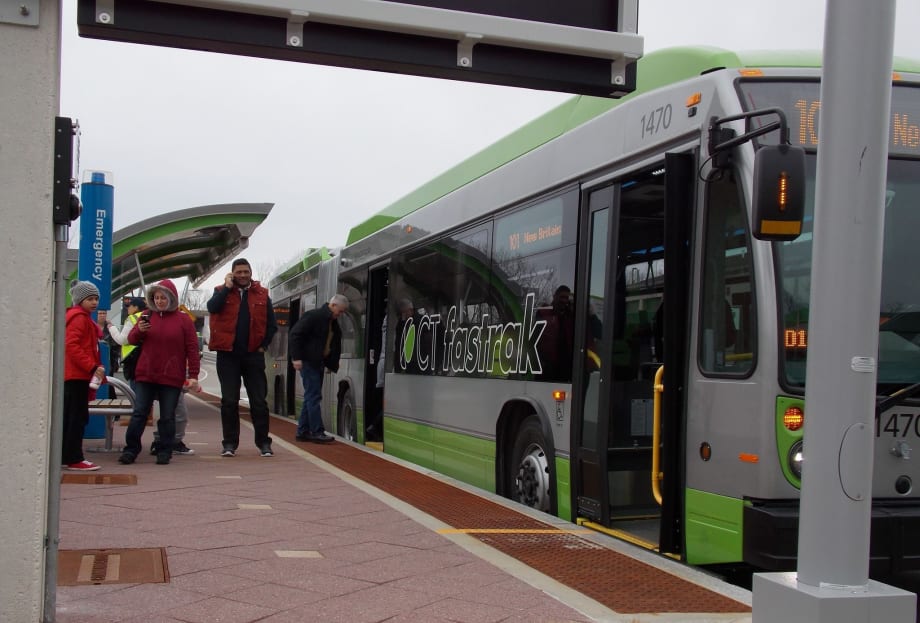
Eighty percent of Americans say public transportation is important to communities because it helps businesses flourish, by bringing both workers and customers to businesses, according to the MTI survey.
CTtransit

As the U.S. Congress deliberates on investments in the nation's infrastructure, 74% of Americans say Congress should increase spending on public transportation, according to a survey directed by the Mineta Transportation Institute (MTI) National Transportation Finance Center along with its Social Science Research Center (SSRC) serving as the data collection agent. The survey, which was conducted for the American Public Transportation Association (APTA), shows that 80% of Americans support use of their tax dollars for creating, expanding, and improving public transportation in their community.
"Americans understand that investment in public transportation is an essential element to help their communities grow," said APTA President/CEO Paul P. Skoutelas. "Public transit garners this overwhelming support because it is an important link to connect employees to jobs, customers to businesses, and to the things that improve peoples' quality of life."
Eighty percent of Americans say public transportation is important to communities because it helps businesses flourish, by bringing both workers and customers to businesses, according to the MTI survey. In addition, of those surveyed, 80% said public transit is valuable to communities because it provides people with vital connections to fundamental resources such as jobs, schools, and medical facilities.
The nation's support for public transit continues as Americans have more mobility options such as car and bike sharing apps; and as other multi-transit opportunities evolve, according to the data. Seventy-five percent of Americans say public transportation remains an important option for daily commuters concerned with issues of costs and traffic, according to the research.
APTA officials note that this survey is proof that there is agreement among the public and both Houses of Congress to increase investment in public transportation.
In fact, 2018 is an historic year because the U.S. Congress appropriated, and the President signed into law, $13.5 billion for public transit investment and $2.8 billion for intercity passenger rail grants. This amount exceeded what was authorized in the FAST Act.
"We are hopeful that this bi-partisan effort will continue," added Skoutelas. "The U.S. House and the Senate have each introduced a bill for their 2019 budget that continues on the path of providing an increase beyond what was authorized in the FAST Act for the coming fiscal year."
The MTI National Transportation Finance Center directed the survey for APTA and its SSCR collected the data. The survey consists of a total of 1,201 interviews with individuals across the U.S. The margin of error is plus or minus 2.83%, at the 95% confidence level. For more information, click here.
More Management
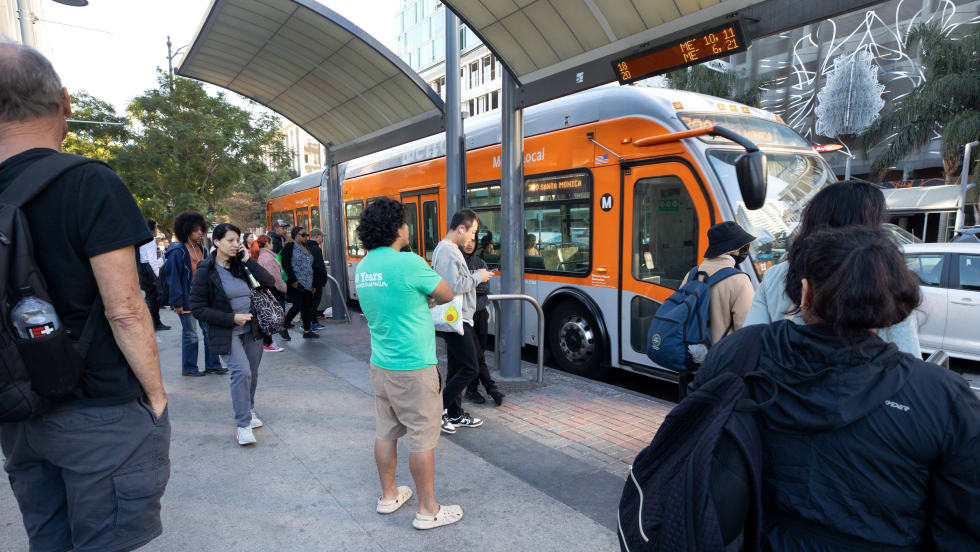
June LA Metro Ridership Surges 2 Million Year Over Year
Total June ridership increased for both weekdays and weekends. Weekday ridership was 953,820, which grew 8.4% from June 2025; Saturdays increased nearly 13% year-over-year to 708,826; and Sundays increased 7.7% to 611,534 from June 2025, according to LA Metro.
Read More →
Washington's Pierce Transit Board Sends Transit Funding Measure to November Ballot
With the adoption of Resolution 2026-006, the measure moves to the Pierce County Auditor, giving voters in the Pierce Transit service area the decision on whether to fund an expansion of local transit service within the agency’s service area.
Read More →
Building the Next Generation of Transit Technology
In this edition of METROspectives, Luminator CEO Magnus Friberg discusses the company's transformation, the growing role of AI and software, and what's next for transit technology.
Read More →
EPA Proposal to Ease Diesel Emissions Compliance Could Improve Reliability for Motorcoach Operators
The EPA is proposing to remove DEF-related engine derates for new heavy-duty diesel vehicles, a change bus operators say would improve safety and reliability while sparking debate over the future of emissions enforcement.
Read More →
Act Now to Join Rays the Mark Foundation's Annual Golf Tournament, Fundraiser
This year's tournament honors Emily DeVito, a member of the public transportation family whose story has moved colleagues across the industry — and with only a few foursomes remaining, organizers are encouraging companies and individuals to register soon.
Read More →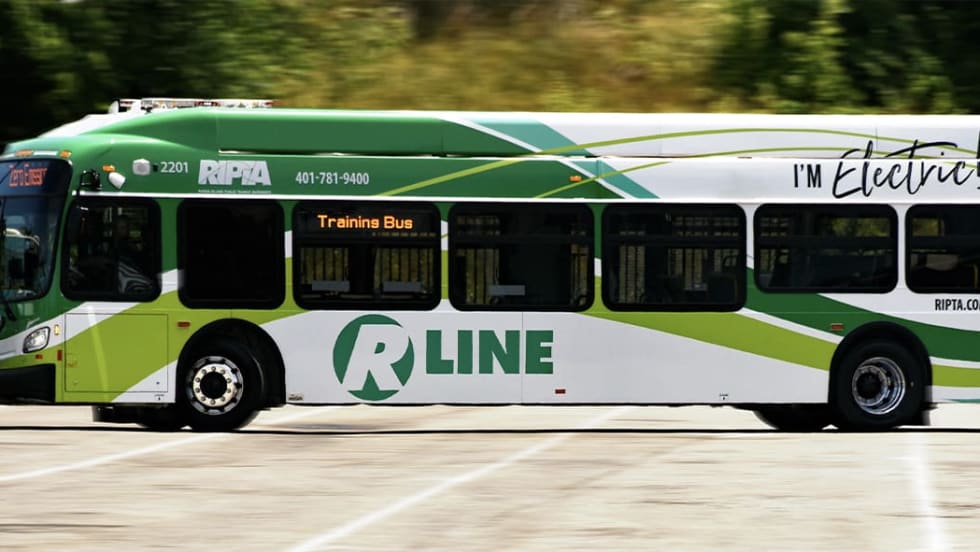
RIPTA Celebrates 60 Years of Public Transit Service
The Rhode Island agency is marking the milestone by highlighting service improvements, mobility initiatives, and its vision for the future of transit.
Read More →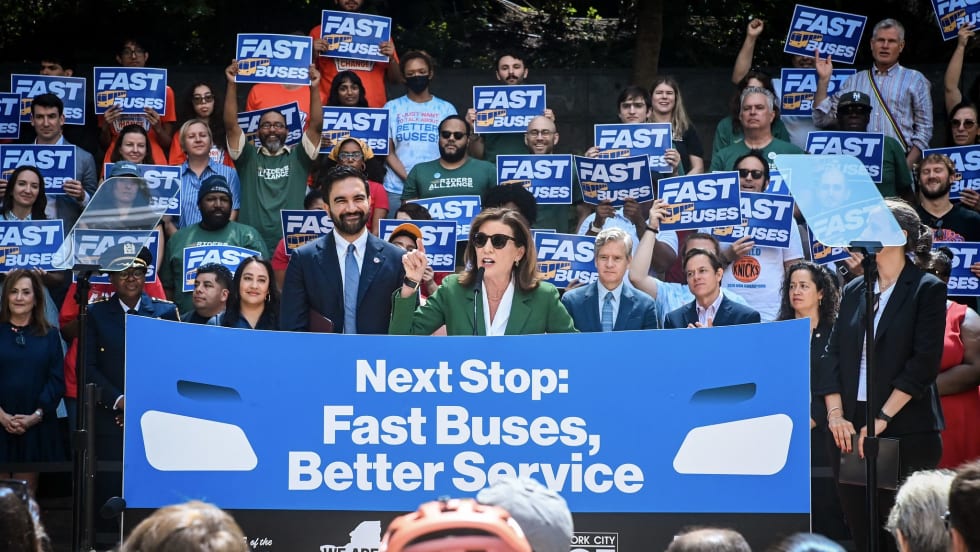
New York Unveils Sweeping Plan to Modernize City Bus Service
Next Stop: Fast Buses, Better Service identifies 50 priority bus corridors for improvements across the five boroughs and launches the City’s next generation of rapid bus service along five key routes.
Read More →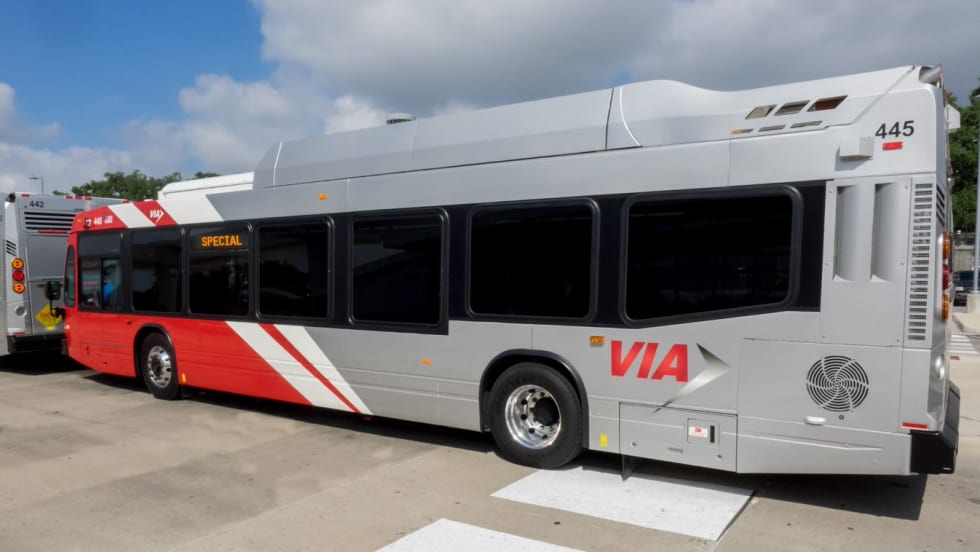
San Antonio's VIA Launches Second Year of Data Fellowship Program
The partnership gives Better Futures Scholars hands-on experience with real-world challenges while providing VIA with additional analytical capacity to support key agency priorities.
Read More →
CTDOT Taps STV for Electric Bus Facility Design
The firm will work with CTDOT and RVT to define the facility layout, operational requirements, and long-term flexibility for RVT’s growing electric fleet.
Read More →
USDOT Awards $170M for Transit Projects in Latest BUILD Grants
Federal funding will support maintenance facility upgrades and other projects aimed at improving transit safety and reliability across the U.S.
Read More →