



Transdev Canada acquires passenger transport co. Voyago
Voyago is a highly respected family-owned group of transportation companies in Ontario, Canada, with a 40-year history.

Transdev Canada has acquired Voyago, a passenger transportation company based in Ontario, Canada.
Transdev Canada has acquired Voyago, a passenger transportation company based in Ontario, Canada.
Transdev Canada has acquired Voyago, a passenger transportation company based in Ontario, Canada. With this acquisition, Transdev Canada will now have 2,600 employees providing transportation services across Quebec and Ontario and will complete 36 million passenger trips per year. The combined company will have revenues of $141 million.
The unified company plans to expand in Canada, providing continued excellent service quality and helping clients take advantage of the opportunities unfolding in today’s mobility environment.
Transdev Canada’s activities are currently concentrated mainly in the Montreal area of Quebec and in the Greater Toronto area of Ontario. Key business activities include:
Operates multiple modes of transport, including urban and suburban bus, paratransit, school transport (traditional and specialized) and charter services
Works under contract with some 20 transit authorities, municipalities and school boards.
Operates LimoCar, inter-city express bus service between Sherbrooke and downtown Montreal
Voyago is a highly respected family-owned group of transportation companies in Ontario, Canada, with a 40-year history. The Voyago companies operate in several mobility sectors:
Student transport (33,000 per day), (Voyago Education)
Passenger transport between health facilities, serving 80 hospitals and more than 200 care centers (Voyago Health)
Conventional and specialized public transport, as well as charter and limousine services
At the core of this union are shared core values: trust, safety of passengers and employees, performance, innovation and the quality of the passenger experience. As they combine forces, both companies intend to work with a partner-like approach, where each shares with the other its best tools, practices and methods, according to a statement.
More Management
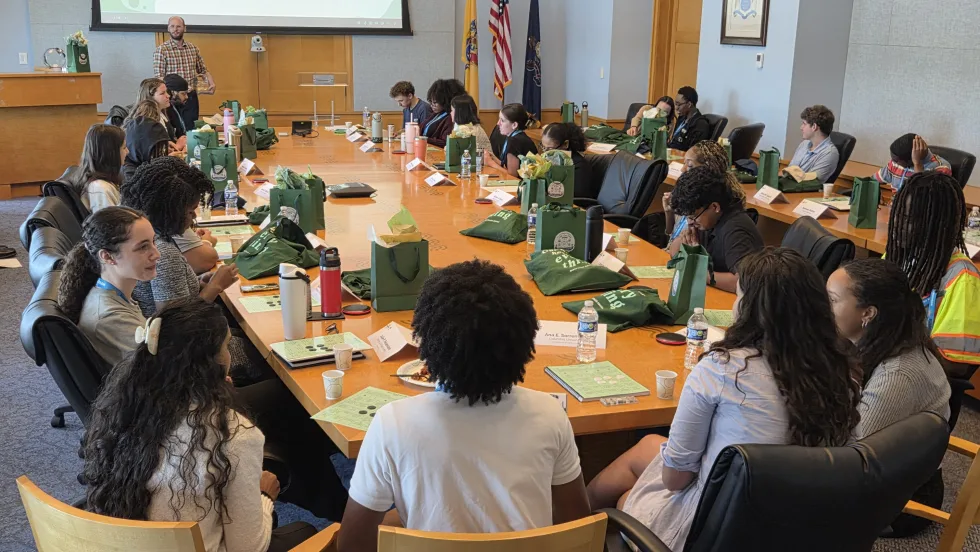
7 Ways to Build a Better Transit Internship
Lessons from DRPA/PATCO’s approach to creating a meaningful internship experience—and developing the next generation of transportation professionals.
Read More →
Scenes from APTA TRANSform & EXPO 2026
Transit leaders, manufacturers, and industry professionals gathered in Chicago to explore new technologies, share ideas, and discuss the future of public transportation.
Read More →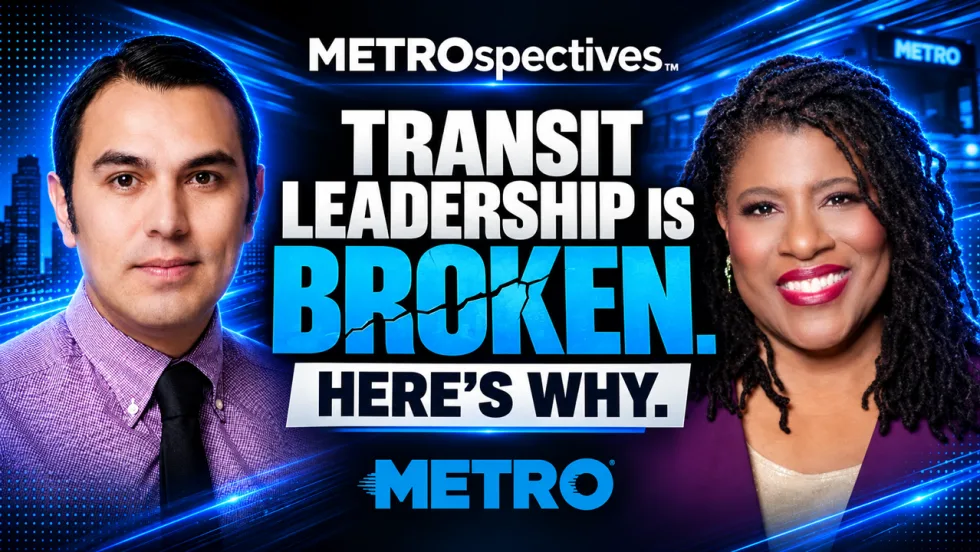
Building Stronger Leaders, More Resilient Transit Teams
Dr. Carol Parker Walsh discusses leadership development, employee retention, workplace culture, and preparing transit’s workforce for AI and automation.
Read More →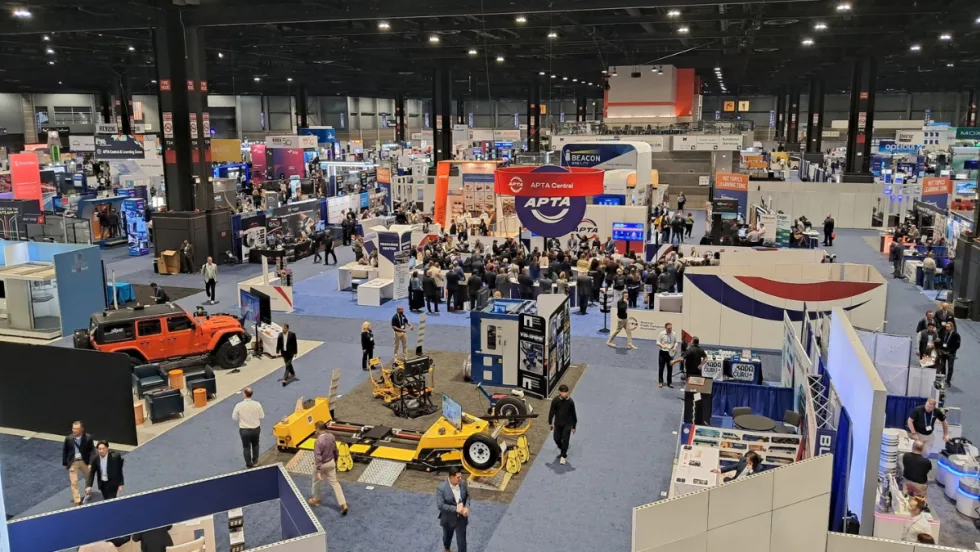
APTA 2026 TRANSform & EXPO Kicks Off in Chicago
After 45 years, APTA returns to Chicago with a focus on next-generation fleets, AI, connected transit networks, and the funding strategies shaping public transportation’s future.
Read More →
New York MTA Warns Federal Tariffs Could Add $1 Billion to Rolling Stock Costs
The agency said tariffs on specialized imported components could reduce the purchasing power of its $23 billion investment in new subway cars, railcars, and buses.
Read More →
From the Show Floor: What Happened at APTA TRANSform & EXPO 2026
See the latest product launches, partnerships, technology updates, and transit industry announcements from APTA TRANSform & EXPO in Chicago.
Read More →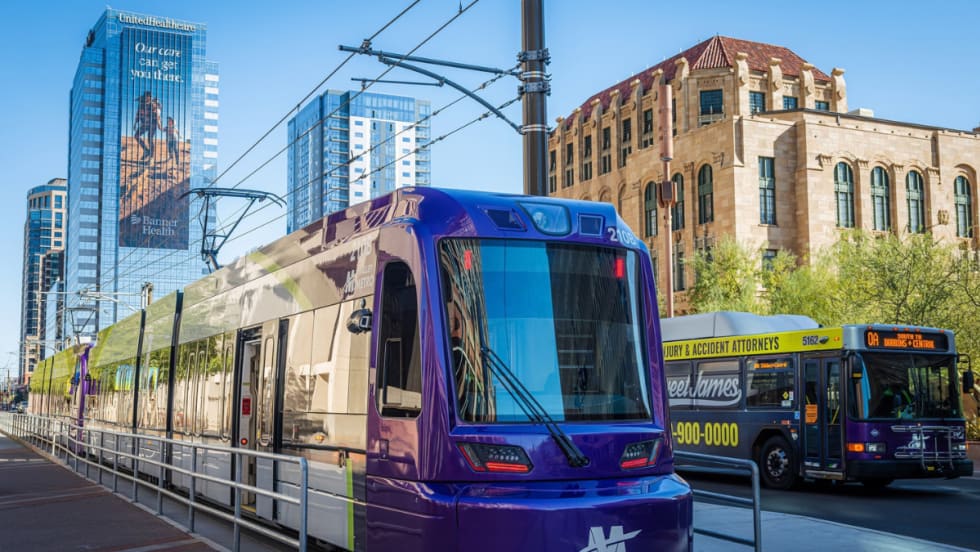
How Valley Metro Is Balancing Transit Growth With the Rider Experience
The APTA award-winning agency is pairing rapid system expansion with investments in workforce, safety, technology, and the fundamentals of transit service.
Read More →
Bus Tech Talk: Keeping Transit Technicians Ahead of the Technology Curve
In this episode of Bus Tech Talk, Complete Coach Works’ Business Development Manager Mark Hollenbeck and METRO’s Executive Editor Alex Roman sit down with Obed Mejia, Senior Technical Trainer for Bus Maintenance, at LA Metro to discuss how rapidly evolving bus technology is changing the maintenance shop — and the skills technicians need to keep pace.
Read More →
Michael Schneider Joins Paslay Group to Expand Transportation Practice
The longtime transportation executive will help Paslay Group grow its advisory and program management work across transit, highway, and other infrastructure sectors.
Read More →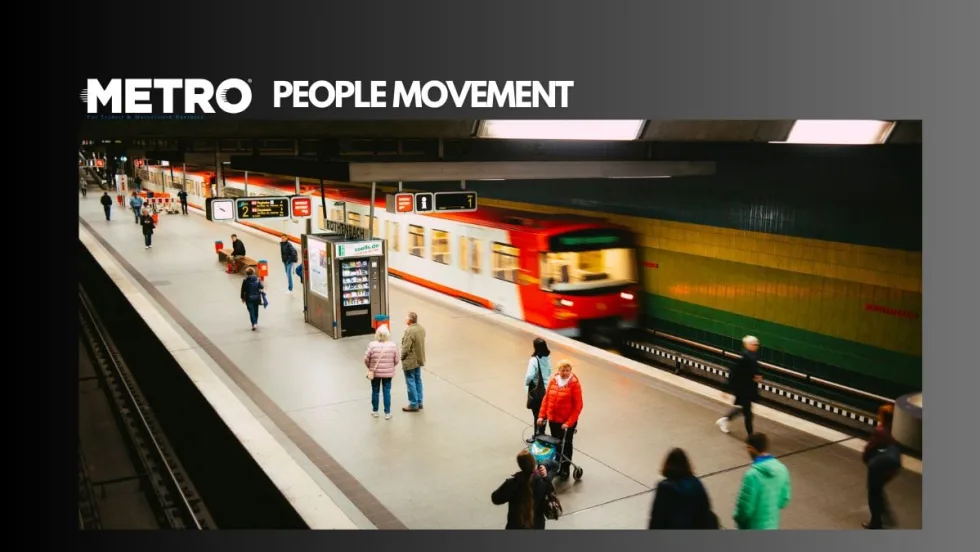
People Movement: Connectpoint Expands Leadership Team, Stadler Names New Group CEO, and More
In this edition, we also spotlight recent personnel moves at Burns, UZURV, and more, highlighting the people taking on new roles across the transportation industry.
Read More →