




RELATED: WMATA launching on-demand late-night transportation
WMATA adding more service, more affordable pass products
All Metrorail passes will now come with free Metrobus service, providing a better value and experience of customers.
July 2, 2019

2 min to read
Washington Metropolitan Area Transit Authority (WMATA) customers are now able to ride more and spend less with the introduction of more affordable passes and more Red and Yellow Line service at some stations.
All Metrorail passes will now come with free Metrobus service, providing a better value and experience of customers. Four passes will be lowered in price — the Seven-Day Unlimited, Seven-Day Short Trip, Seven-Day Regional Bus, and One-Day Unlimited Pass. There is also the new option of a Three-Day Unlimited Pass.
Red Line trains will run end-to-end between Glenmont and Shady Grove, instead of turning some trains back at Silver Spring. The change complements the extended service to Shady Grove that began in December when WMATA eliminated the “Grosvenor Turnback,” where every other Red Line train began and ended at Grosvenor.
On the Yellow Line, extended service to Greenbelt is already in effect, doubling rush hour service at nine stations north of Mt Vernon Square (Shaw-Howard, U Street, Columbia Heights, Georgia Ave-Petworth, Fort Totten, West Hyattsville, Prince George’s Plaza, College Park and Greenbelt) to reduce crowding conditions. Previously, Yellow Line trains turned back at Mt Vernon Square during rush hours and at Fort Totten at all other times.
In keeping with WMATA’s commitment to improve reliability and customer service, the agency’s industry-first “Rush Hour Promise” will continue to provide riders with a credit toward future travel for unscheduled delays of 10 minutes or more.
These customer-focused improvements come as the agency’s safety and reliability continue to improve, thanks to robust preventive maintenance, capital investments, and new dedicated funding sources. On-time performance last month reached 90% for the first time in at least eight years. Railcar reliability is also at the highest level in eight years, averaging more than 145,000 miles between delays — a 150% improvement over last year.
More Management
Game Day in Motion: Moving Millions During the 2026 World Cup
Between packed transit stations to team motorcoaches, see how agencies and operators across North America tackled the transportation demands of the 2026 FIFA World Cup.
Read More →
Surface Transportation Extension Averts Shutdown, Leaves Transit Funding Gap
The stopgap keeps federal transportation programs moving, but missing advance funding could complicate the transit and rail projects agencies are planning next.
Read More →
Bus Tech Talk: Keeping Transit Technicians Ahead of the Technology Curve
LA Metro’s Obed Mejia discusses technician training, evolving maintenance technology, fleet replacement, and strategies for getting the most out of today’s transit fleets.
Read More →

Why Simulating Pedestrian Movement Has Become Essential for Modern Rail Stations
Pedestrian microsimulation is helping rail planners identify bottlenecks, test station designs, and prepare complex transit hubs for growing passenger volumes.
Read More →
People Movement: Holly Arnold Joins Transdev and More
In this edition, we also cover recent appointments and announcements at Pace, CamTran, MCI, and more, showcasing the individuals helping to shape the future of transportation.
Read More →
NITA Launches New Era of Regional Transit in Chicago
The new authority replaces the RTA and brings CTA, Metra, and Pace under a strengthened regional framework for funding, planning, fares, safety, and service coordination.
Read More →
How World Cup Mobility Put Transit and Motorcoaches to the Test
Behind the seamless trips were months of planning, multimodal partnerships, and lessons agencies and operators can carry into the next mega-event.
Read More →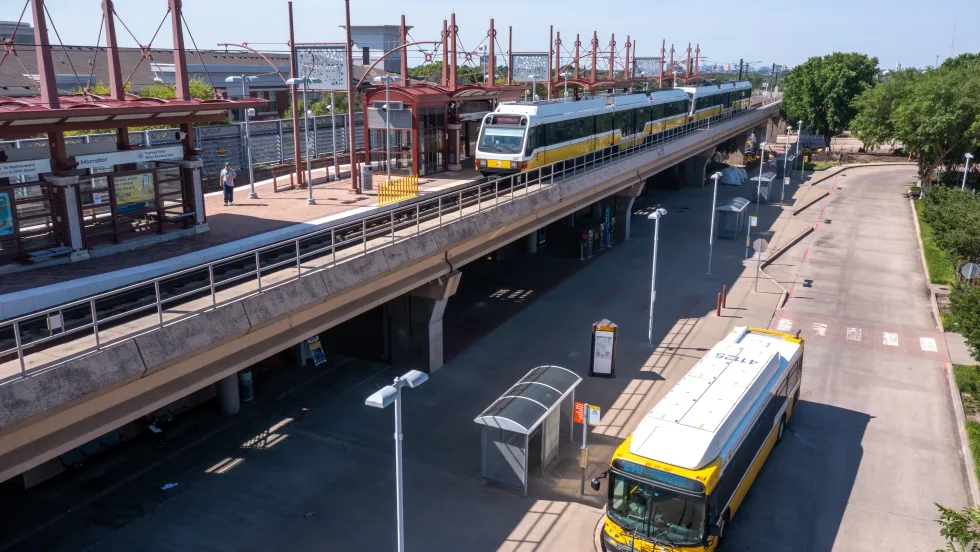
DART Introduces Dashboard to Track Ridership Data
The initial release represents the first phase of DART’s efforts to expand access to ridership information. Additional dashboard features, data, and functionality will be introduced in future phases.
Read More →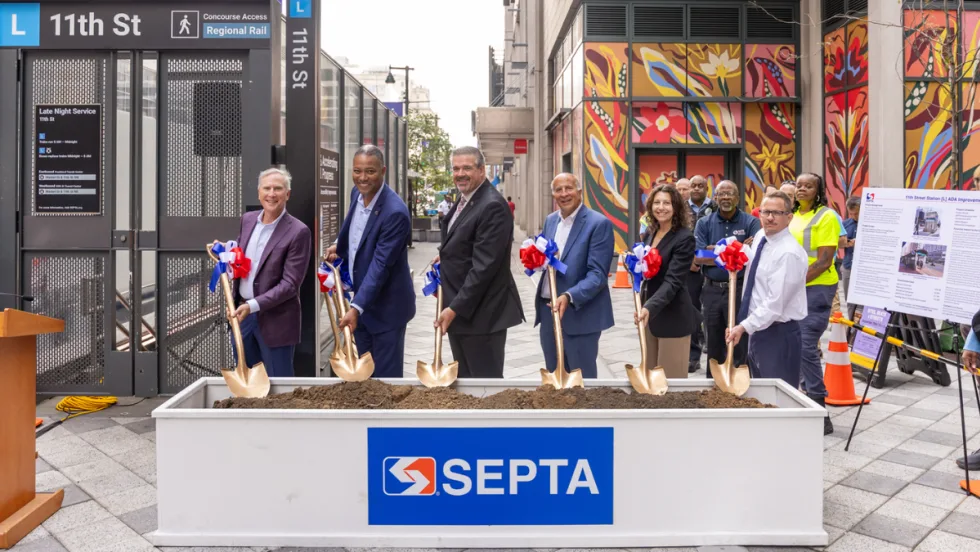
SEPTA Breaks Ground on $44M Accessibility Upgrade at 11th Street Station
The project will add elevators and other upgrades to make the busy L station fully ADA accessible, with a yearlong closure expected to accelerate construction and save up to $3 million.
Read More →
Sponsored•August 28, 2026
FTA Opens $610M for Transit Fleet Modernization
Propane autogas gives transit agencies a reliable, funding-eligible option for fleet upgrades.
Read More →