




RELATED: UMA names Tetschner President/CEO
Q&A with UMA President/CEO Stacy Tetschner
He joined the association following 25 years at the National Speakers Association where he served as CEO for the past 18 years. Beyond his role leading NSA, Tetschner is an active member of the American Society of Association Executives
December 28, 2017

Tetschner (with UMA Member Services Coordinator Jai Hooker) has been “excited to see how members are embracing technology and social media to advance their marketing efforts.”
6 min to read
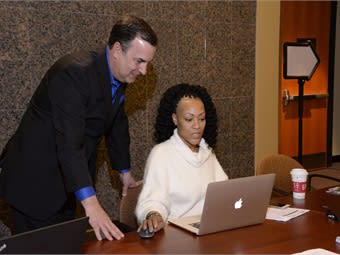
Tetschner (with UMA Member Services Coordinator Jai Hooker) has been “excited to see how members are embracing technology and social media to advance their marketing efforts.”
Stacy Tetschner began his tenure at UMA June 2017. He joined the association following 25 years at the National Speakers Association (NSA) where he served as CEO for the past 18 years. During that time, he was able to position NSA as an industry leader with a national profile. Additionally, under his leadership, the association saw exponential growth in its corporate sponsorship program.
Beyond his role leading NSA, Tetschner is an active member of the American Society of Association Executives (ASAE), where he has served on the board and as vice chairman of ASAE and the Center for Association Leadership. In addition, he has served as chairman of the board and director for the Convention Industry Council.
What are key things you’ve learned during your first few months with the UMA?
First and foremost, I have met some of the most amazing and gracious people as part of this industry. They have been welcoming, supportive, and eager to help as we work through transitions. Also, for what is a seemingly smaller industry of about 3,200 operator companies, it is still very diverse. I am not sure that outsiders looking in always have the opportunity to see that our members represent a diversity of business type, ethnicity, and size of business. The blessing and the curse is that, yes we have a diverse industry, and yet, sometimes that diversity presents itself in a fragmentation of the industry and we don’t always speak with one core voice. For a group of 3,200, it is important that we reflect diversity and yet have a core agreement on major issues, so we do not fragment ourselves and lose the voice that represents and drives the industry.
What is on your agenda for the coming year, in terms of helping members?
After having completely immersed myself in the industry and UMA for the last six months, I am excited about the opportunities we have to create even more relevant programs and services for members. We are currently signing on a select few UMA member-only benefits that are designed to save our members money — most recently on fuel prices and credit card processing. These are savings and programs they can only get through UMA and likely cannot be found elsewhere.
We are also working on an online learning resource where we can create industry-focused videos that are accessible 24/7, so if a member needs specific information from us at midnight on a Saturday, they can log in and access it right then. This will allow us to extend our education programs beyond the in-person programs that are available on our schedule, to meet the needs of our operator members based on their schedule.
And in an industry that is regulated as tightly as ours, we continue to push the work we are doing legislatively as well. For the first time this year, UMA changed strategy from constantly defending against regulations, and instead, went on the offensive and presented our own bill through the House of Representatives (HR 2120) and have proactively said what we would like to have on the regulators agenda versus them telling us what they want on our agenda. For those who want to actively be part of this process, they should consider joining us for a legislative fly-in — we have found our legislative representatives value face time with those who are running businesses and employing people in their districts.

Tetschner
What are the greatest challenges for UMA members?
The challenge we are hearing most often is that of recruiting and retaining good drivers. UMA members continue to be creative in finding drivers through ad placement and coordinating with various other professions, such as retired military, law enforcement, etc. Those members having the greatest success have also transitioned to looking at this as a full-time career opportunity for drivers versus a part-time/seasonal position. We anticipate as this transition takes place, more and more drivers will be attracted to this as a profession earlier in their careers as there is a guaranteed income to support them and their families.
Additionally, we continue to hear from operators that have local municipalities working to implement local regulations in the spirit of safety, and that those municipalities are not aware of what has already been done at a national level to ensure safety. Through communications with our team, UMA can share examples and best practices that allow operators to address these proposals before they become laws that then have to be undone — and we all know that undoing something within a city can be a messy process. We continually encourage operators to stay engaged with their local markets to become aware of these issues before they advance too far in the regulators process, so we can be good partners in education.
What innovative practices or technologies operators are implementing?
Since coming on board at UMA, I have been able to hear and understand the excitement for the future and what technology is doing for our industry. From battery-powered buses to autonomous driving — the conversations are taking place, and it is a matter of time before we see it become commonplace.
I have also been excited to see how our members are embracing technology and social media to advance their marketing efforts. Thanks to the efforts of the Motorcoach Marketing Council we are seeing enhanced marketing and brand development for owners, operators, and the industry. Brand image of our members advances the brand image of our industry — through innovative and consistent marketing efforts, the industry is taking on a new positive face, especially with younger generations that are entering the workforce. They are fully embracing this mode of transportation through the sharing economy. Their willingness to forego owning a personal automobile provides our industry many opportunities to meet their transportation needs and we are seeing it materialize through crowdsourcing and ride-share opportunities.
How is the ride-sharing economy impacting operators and how are they fitting in?
Sharing transportation has introduced our industry to crowdsourcing companies like Rally Bus and OurBus. For many of our operators, this has created new revenue opportunities to provide charters to concerts, sporting and other events that they normally would not have had the opportunity to be involved with. For those motorcoach companies who want to delve into starting their own crowdsourcing program, companies like UBT have developed software to allow them to crowdsource their own business as well. It is simply a new way at looking at revenue opportunities in the motorcoach business.
What do you like to do in your spare time?
When I am not working, I love to spend time with my family. My wife and I love to travel and discover new adventures together, and with one child still at home, and two boys that are grown and living around the country, we try to plan most of our travel so we are all together. Given the choice, all of us love the beach, so that is the best place to find us away from work. Also, our 15-year-old has Down syndrome, and we completely immerse ourselves in that community, whether as advocates for inclusion or coaching Special Olympics, and also, hanging around others within that community. Needless to say — between learning a new industry and family activities, we have a full and happy life.
Subscribe to Our Newsletter
More Motorcoach
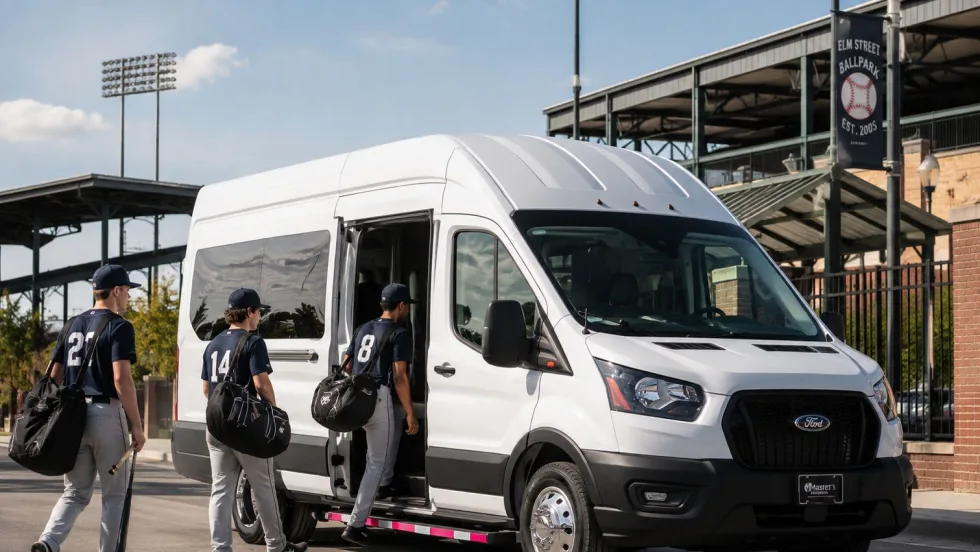
Rethinking the Road: Transportation Challenges for Smaller College Athletics
Smaller college athletic programs are rethinking fleet strategies as rising costs, driver shortages, and longer travel distances put new pressure on transportation budgets.
Read More →
Brian Dickson on Building Stronger, More Resilient Transportation Organizations
Bus Business Consultants Founder Brian Dickson discusses the leadership principles, operational discipline, and strategic planning that separate transportation companies positioned for long-term success from those stuck in survival mode.
Read More →
Roman Cornell on ABC Companies’ Evolution and the Future of Passenger Transportation
The company’s CEO discusses carrying forward a third-generation family legacy, ABC’s continued evolution in passenger transportation, support for increasingly complex fleets, and how technology and continued investment could help operators improve uptime.
Read More →
From Surviving to Thriving: Building Stronger Transportation Organizations
Bus Business Consultants founder Brian Dickson shares lessons on leadership, organizational health, and creating options for long-term success in a changing transportation industry.
Read More →
Report: Canadian Motorcoach Industry Generates $4.4B in Economic Impact
The 2025 Motorcoach Economic Impact Report finds motorcoach travel supported nearly 25,000 jobs and generated $980 million in federal, provincial, and local taxes.
Read More →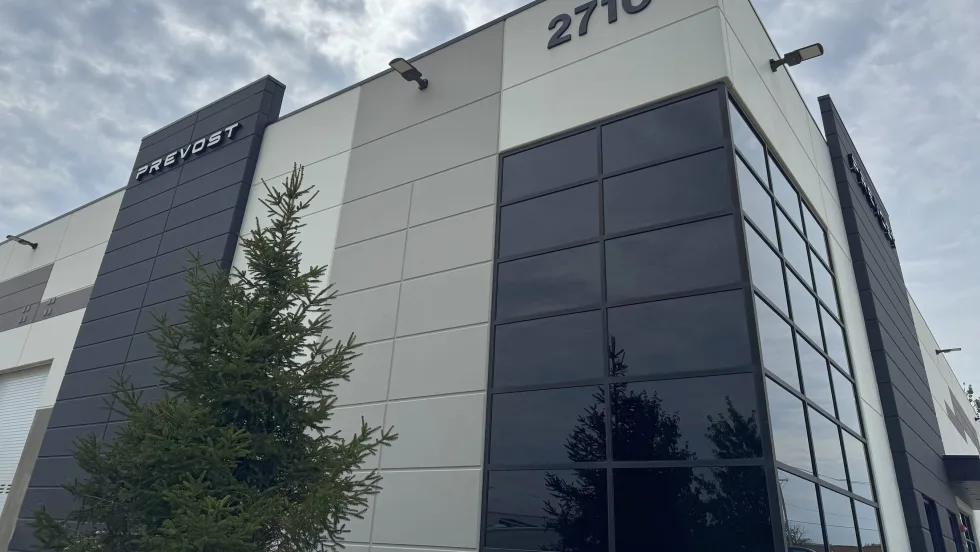
Prevost Opens Expanded Chicago-Area Service Center
The $8.1 million Elk Grove Village investment nearly triples facility space while adding service capacity, parts storage, and customer amenities.
Read More →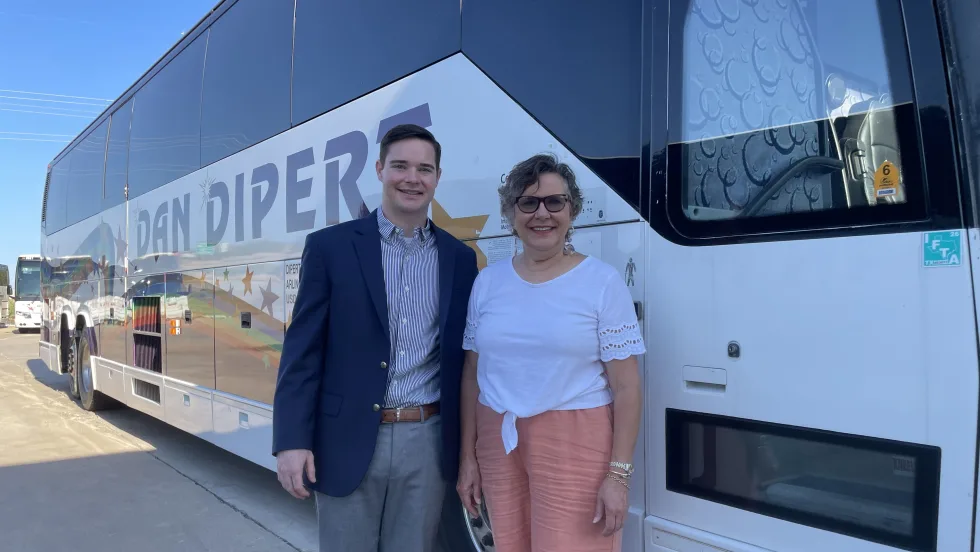
People Movement: Dan Dipert Coaches Adds Third-Generation Leader, Keolis Names New Valley Metro VP/GM, and More
In this edition, we also cover recent appointments and announcements at the Wabtec, SilverRide, HNTB, and more, showcasing the individuals helping to shape the future of transportation.
Read More →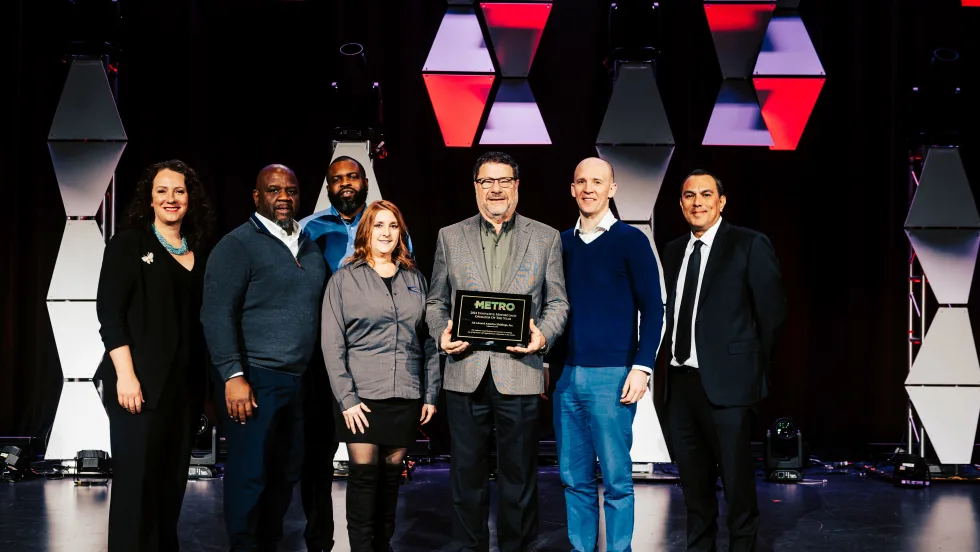
METRO Opens Submissions for 2026 Motorcoach Awards
Nominations are now being accepted for METRO Magazine’s Operator of the Year and Innovative Operator of the Year awards.
Read More →
Biz Briefs: Alstom Lands Canadian Contract, LYT to Supply California TSP, and More
In METRO's latest installment, we take a look at recent news from Complete Coach Works, Beep, FlixBus, and more partnerships making headlines across the transportation sector.
Read More →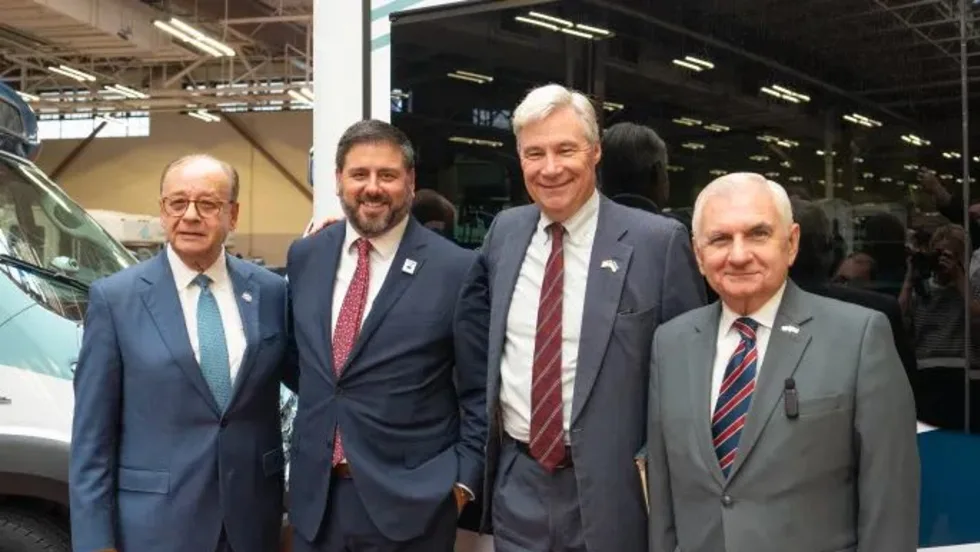
Biz Briefs: RIPTA Unveils New Frontrunners, Clevland RTA Adds New Siemens, and More
In METRO's latest installment, we take a look at recent news from Siemens, Prevost, Dodge, and more partnerships making headlines across the transportation sector.
Read More →