



RELATED: Intercity bus lines make pivot to satisfy changing needs
FirstGroup to sell Greyhound
Company to focus on its First Transit and First Student brands, while also continuing to monitor the potential of its current UK rail contracts.
by Alex Roman, Managing Editor
May 30, 2019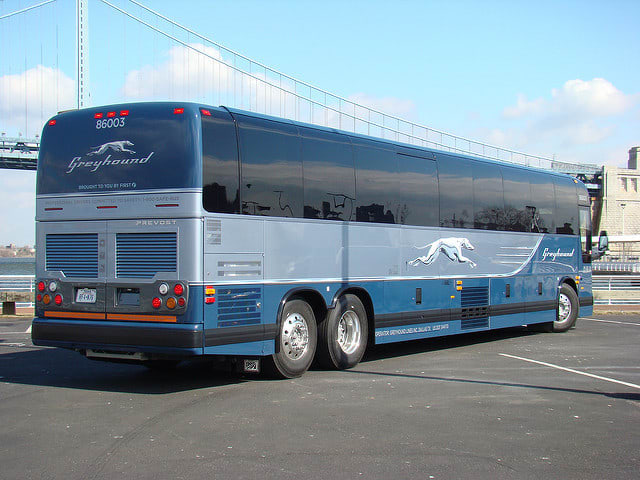
The company said that the intercity bus line has limited synergies with its other, predominantly contract-based, North American businesses.
Greyhound
2 min to read
The company said that the intercity bus line has limited synergies with its other, predominantly contract-based, North American businesses.
Greyhound
FirstGroup PLC, the UK-based owner of Greyhound, said it is selling the intercity bus line, as well as its First Bus UK business, to focus on its transit and school bus businesses.
In a statement, the company said to “deliver enhanced sustainable value” in its portfolio, it is deciding to separate itself from the two entities and instead focus on its First Transit and First Student brands, which “have the greatest potential to generate sustainable value and growth over time.”
The company added that it will also honor the terms of its existing portfolio of rail franchises in the UK, but will need to have an appropriate balance of potential risks and rewards for its shareholders as it moves ahead toward the future.
FirstGroup invested in Greyhound to implement airline-style yield management and real-time pricing, up-to-date booking and ticketing options, and improved customer communications channels over the past several years, and recently reduced Greyhound’s footprint in Western Canada.
The company said that the intercity bus line has limited synergies with its other, predominantly contract-based, North American businesses and that it believes value for its shareholders “can best be delivered by seeking new owners that will further support the continued development of this business,” adding that a formal sale process for Greyhound is underway.
“By executing the portfolio rationalization plans we are announcing today, our future emphasis will be on First Student and First Transit, our core contracting businesses in North America,” said FirstGroup’s CEO Matthew Gregory. “We see significant potential to generate long-term, sustainable value and growth from the solid platforms these businesses provide in the North American mobility services sector. We are intent on executing this strategy at pace, having full regard to the regulatory and stakeholder procedures and approvals that will be required.”
FirstGroup added that First Transit and First Student are increasingly overlapping in terms of the technologies and management skillsets required to thrive in the market opportunities in front of them, and that as it moves forward, it will ensure management and functional structures are “positioned to capitalize further on the platform we have built in the emerging North American mobility services market.”
More Motorcoach

From Surviving to Thriving: Building Stronger Transportation Organizations
Bus Business Consultants founder Brian Dickson shares lessons on leadership, organizational health, and creating options for long-term success in a changing transportation industry.
Read More →
Report: Canadian Motorcoach Industry Generates $4.4B in Economic Impact
The 2025 Motorcoach Economic Impact Report finds motorcoach travel supported nearly 25,000 jobs and generated $980 million in federal, provincial, and local taxes.
Read More →
Prevost Opens Expanded Chicago-Area Service Center
The $8.1 million Elk Grove Village investment nearly triples facility space while adding service capacity, parts storage, and customer amenities.
Read More →
People Movement: Dan Dipert Coaches Adds Third-Generation Leader, Keolis Names New Valley Metro VP/GM, and More
In this edition, we also cover recent appointments and announcements at the Wabtec, SilverRide, HNTB, and more, showcasing the individuals helping to shape the future of transportation.
Read More →
METRO Opens Submissions for 2026 Motorcoach Awards
Nominations are now being accepted for METRO Magazine’s Operator of the Year and Innovative Operator of the Year awards.
Read More →
Biz Briefs: Alstom Lands Canadian Contract, LYT to Supply California TSP, and More
In METRO's latest installment, we take a look at recent news from Complete Coach Works, Beep, FlixBus, and more partnerships making headlines across the transportation sector.
Read More →
Biz Briefs: RIPTA Unveils New Frontrunners, Clevland RTA Adds New Siemens, and More
In METRO's latest installment, we take a look at recent news from Siemens, Prevost, Dodge, and more partnerships making headlines across the transportation sector.
Read More →
People Movement: Holly Arnold Joins Transdev and More
In this edition, we also cover recent appointments and announcements at Pace, CamTran, MCI, and more, showcasing the individuals helping to shape the future of transportation.
Read More →
ABA Report: Motorcoach Travel Generates $161.6B Economic Impact
The 2025 analysis finds motorcoach travel supported nearly 900,000 jobs and generated $28 billion in federal, state, and local taxes.
Read More →
CharterUP’s Armir Harris on Technology, AI, and the Future of Group Mobility
In a recent episode of METROspectives, CharterUP Founder/CEO Armir Harris discussed the company’s evolution from an online charter bus marketplace into a technology platform supporting public- and private-sector mobility and much more.
Read More →