



11 Simple Ways to Speed Up Your City's Buses
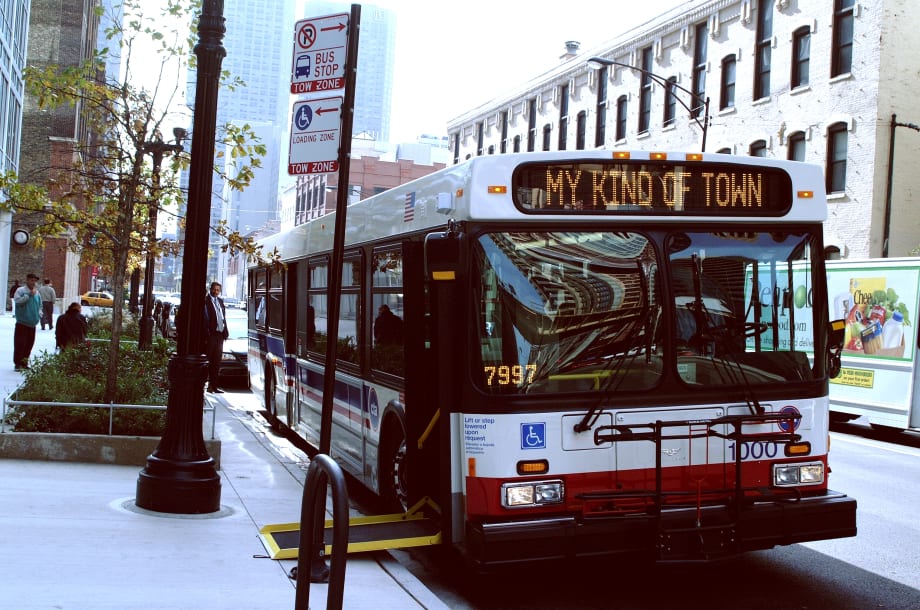
The average city bus route gets 0.45% slower every single year. That’s especially discouraging given how slowly buses already move, with a typical bus averaging only 13.5 mph.

(This article by Payton Chung was originally published by StreetsblogUSA.)
All across America, city buses are waiting. Waiting at stoplights, waiting behind long lines of cars, waiting to pull back into traffic, waiting at stops for growing crowds of passengers. And no, it’s not just your imagination: Buses are doing more waiting, and less moving, than they used to. A recent survey of 11 urban transit systems conducted by Daniel Boyle for the Transportation Research Board found that increased traffic congestion is steadily eroding travel speeds: The average city bus route gets 0.45% slower every single year. That’s especially discouraging given how slowly buses already move, with a typical bus averaging only 13.5 mph.
Transit agencies are taking action against the waits. A recent report on “Commonsense Approaches for Improving Transit Bus Speeds“ surveyed not just the scale of the problem, but also solutions. In it, 59 transit agencies across America shared how they have responded to the scheduling problems presented by ever-slower bus routes. The agencies report on the most successful actions they’ve taken to improve bus speeds and reliability. Here they are, listed in descending order of popularity.
1. Consolidate stops: More than half of agencies have thinned bus stops, some by focusing on pilot corridors, and others by gradually phasing in policy changes. Many agencies moved stops to far side of intersections at stoplights, and 13 agencies adopted physical changes like longer bus stops or bulb-outs, which help passengers board faster and more conveniently.
2. Streamline routes: Straightening out routes, trimming deviations, eliminating duplication, and shortening routes didn’t just simplify service, it also sped up service for two-thirds of the agencies that tried this approach.
3. Transit signal priority: The 22 agencies with signal priority can change stoplights for approaching buses. They mostly report a minor to moderate increase in bus speeds as a result. In fact, agencies singled out traffic engineering approaches like TSP as the closest to a “silver bullet,” one-step solution.
4. Fare policy: Several agencies changed fare structures or payment methods. The one agency that collects fares before passengers board, and lets them board at both bus doors, decreased bus running times by 9%.
5. Bus Rapid Transit: Ten agencies combined multiple approaches on specific routes and launched BRT service. Of those that measured the impact, almost all reported a significant increase in speed, typically around 10% to 15%.
6. Vehicle changes: More than half of agencies have moved to low-floor buses, which reduce loading times by one second per passenger. Smaller buses might be more maneuverable in traffic, and ramps can speed loading for wheelchairs and bicycles.
7. Limited stop service: Although new limited-stop services offered only minor to moderately faster speeds, it’s a simple step and 18 agencies reported launching new limited routes.
8. Bus lanes: Dedicated lanes are used by 13 agencies, and one reported that “most routes are on a bus lane somewhere.” When implemented on wide arterial streets, this moderately improves speeds.
9. Adjust schedules: Almost all of the surveyed agencies have adjusted running time, recovery times (the time spent turning the bus), or moved to more flexible ”headway schedules.” All of these actions improve on-time performance reliability for customers, and reduce the need for buses to sit if they’re running early.
10. Signal timing: Synchronized stoplights along transit routes can make sure that buses face more green lights than red, but only have a mild impact on operating speeds.
11. Express service on freeways: This strategy had the largest impact on speeding up buses for the three agencies that tried it.
Many transit agencies have adopted at least some of these changes. For example, Streetsblog has covered San Francisco Muni’s efforts to consolidate stops, launch limited-stop service, rebuild stops, install signal priority, and use prepaid fares to allow passengers to board at both doors.
The survey also asked about the major constraints that agencies faced when attempting to improve bus speeds. More than a third of them cited a lack of funding and competing priorities within the agency — streamlining a route, for instance, may reduce the area covered by the service. More than one in seven agencies cited a lack of support from other government agencies, like transportation departments in charge of streets and signals (in San Francisco, Muni benefits from being housed within the city’s transportation department).
Rider opposition, particularly to removing bus stops, and existing traffic congestion, also thwarted some attempts to streamline bus operations. Interestingly, few agencies cited community opposition or a lack of staff time as constraints.
How can other agencies apply these lessons? The survey also collected advice to transit agencies and communities that are considering these changes. The most often cited lesson is that it’s “extremely important to have high level support at the local municipality” (presumably this means the mayor), and to “adhere to [your community's] desired expectations of the service they wish to have,” in the words of individual agencies.
Thorough analysis, like starting with the busiest routes and stops, building internal consensus and recognizing speed “as something that the agency has the power to affect,” and persistence were also cited as keys to getting buses up to speed.
More Bus
Brian Dickson on Building Stronger, More Resilient Transportation Organizations
Bus Business Consultants Founder Brian Dickson discusses the leadership principles, operational discipline, and strategic planning that separate transportation companies positioned for long-term success from those stuck in survival mode.
Read More →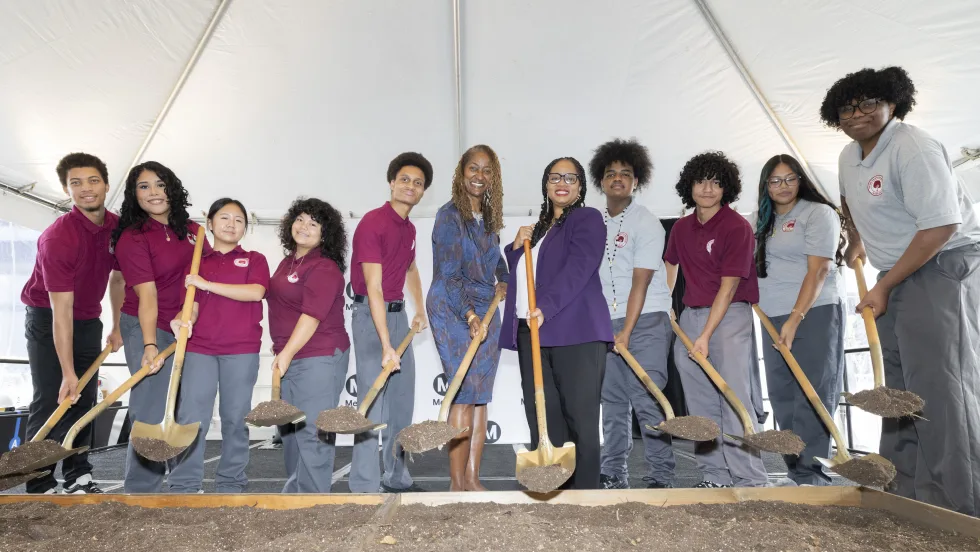
LA Metro Breaks Ground on Vermont BRT Project
The 12.4-mile corridor is projected to serve 66,200 daily riders, reduce travel times by up to 24%, and create the nation's busiest bus rapid transit corridor.
Read More →
Roman Cornell on ABC Companies’ Evolution and the Future of Passenger Transportation
The company’s CEO discusses carrying forward a third-generation family legacy, ABC’s continued evolution in passenger transportation, support for increasingly complex fleets, and how technology and continued investment could help operators improve uptime.
Read More →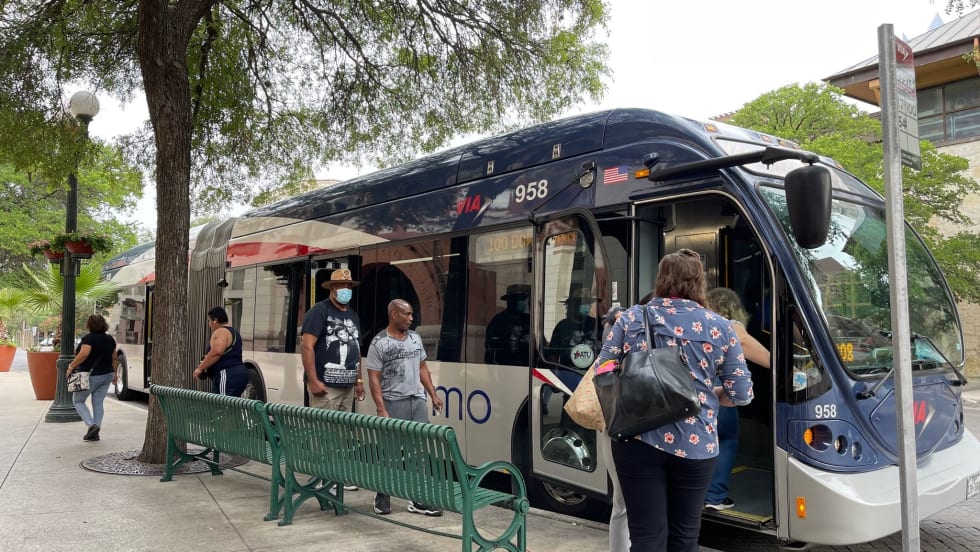
VIA Bus Ridership Grows 10.1% Through August 2026
San Antonio's VIA Metropolitan Transit reported the highest bus ridership growth among major Texas transit systems. Federal Transit Administration data ranked it second among the nation's 50 largest transit systems.
Read More →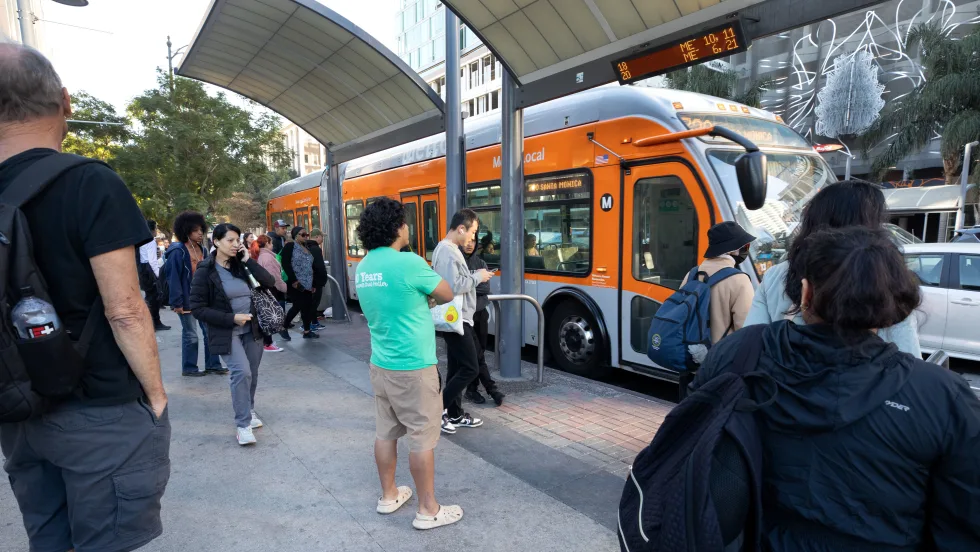
LA Metro September Ridership Climbs 3.9%, Led by Rail Growth
The agency recorded more than 27.2 million boardings, with rail ridership increasing 12.4% year over year and the D Line posting the largest gains.
Read More →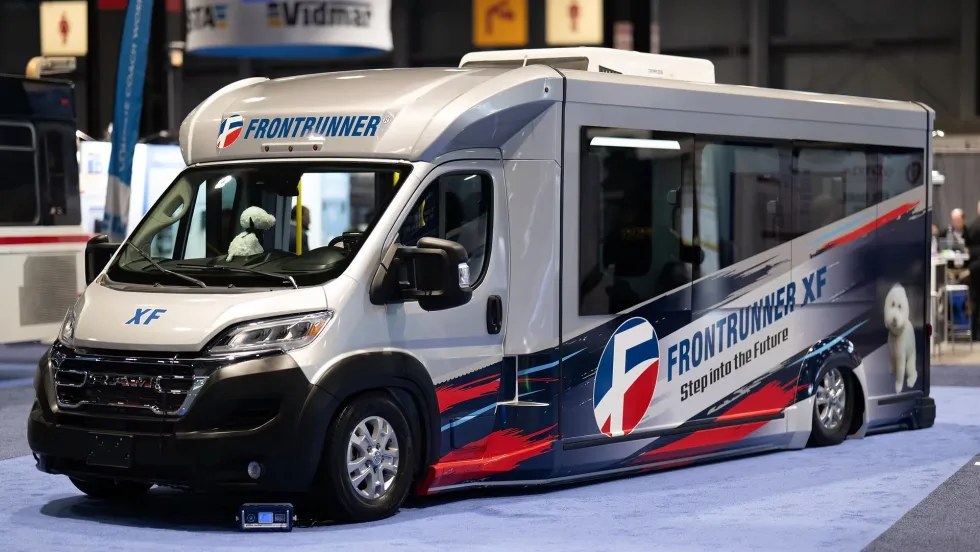
Frontrunner Bus Group Introduces XF Low-Floor Bus with Enhanced Accessibility
The new mid-sized bus features a full flat-floor design, eight-inch curbside step-in height, and zero-entry rear ramp to improve passenger access and operational flexibility.
Read More →
Scenes from APTA TRANSform & EXPO 2026
Transit leaders, manufacturers, and industry professionals gathered in Chicago to explore new technologies, share ideas, and discuss the future of public transportation.
Read More →
More Than a Summer Job: Building the Next Generation of Transit Talent
The Delaware River Port Authority and PATCO have transformed their internship program into a hands-on professional development experience that introduces students to the breadth of transportation careers — and creates a pipeline for future employees.
Read More →
LA Metro Board Awards 220 Battery-Electric Bus Contract to ENC
The contract, which is the largest base award of battery-electric buses by a U.S. transit agency, will be built in Southern California, sustaining good jobs as LA prepares to welcome the world in 2028
Read More →
Public Transit Conference Returning to GFX in 2027, Call for Papers Now Open
The Call for Papers is now open, allowing transit agency professionals and industry experts to help shape the PTC educational program by submitting session ideas for consideration.
Read More →