



5 things to consider when naming and designing brand identities
As cities work to become more relevant to new generations and attract diverse visitors, ensuring transit systems’ naming and branding systems are well-designed will become increasingly important.

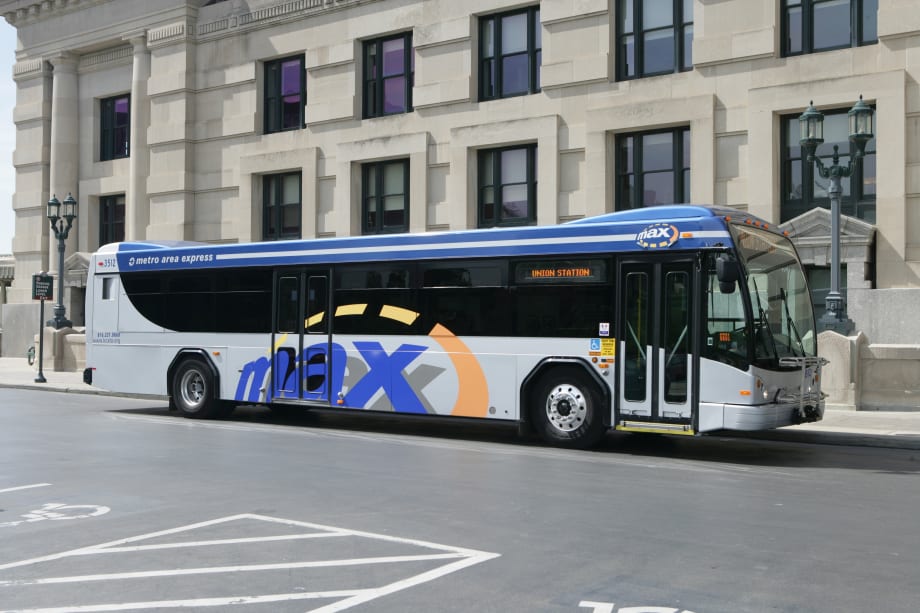
When branding, it’s important to keep things simple, which was a key consideration for the Kansas City Area Transportation Authority’s bus rapid transit system.

As cities work to become more relevant to new generations and attract diverse visitors, ensuring transit systems’ naming and branding systems are well-designed will become increasingly important.
That’s because people who gravitate toward these more dense urban centers do so in part because they want everything at their fingertips. They don’t want to have to own a car to get to work — or play. For these people, your transit system becomes an integral part of their everyday lives. For visitors and tourists, a well-designed system ensures they will be able to discover and enjoy all that your city has to offer.
Here are five things you need to consider when naming and branding your transit system:
Unity. Optimally, the new transit name and brand should be capable of working in unison with all operators across all of your transit lines — even if you are just rebranding one mode of transit right now. Why? Riders are looking to get from point A to point B in a timely and convenient manner and sometimes this requires using more than one mode.
Connecting the modes with uniform visual and verbal cues will make the transition between modes easier for riders. This also enables you to begin extending that unified experience to transit information systems such as the signage, website, map and smartphone applications. For example, New York City Bus uses the same brand language as New York City Subway, and both live under the MTA brand.
Expansion. Naming schemes should be flexible and extensible enough so that they can expand and adapt as lines and services are added or decommissioned. Studies exploring how the name and brand could be applied in these scenarios should be part of the design process and standards developed to guide future needs.
Flexibility/extensibility becomes extremely important when naming routes and lines. For example, using color can be a problem if the system grows to the point that you run out of colors. It’s also important to consider if the city will benefit from a very rational route system (A line, B line, C line, etc.) or if you want to get into naming routes after people and places. A note of caution — the latter approach can become political and names can become irrelevant over time.
Simplicity. In examining the branding of major transit systems all around the world and speaking directly with many of their leaders to understand their challenges — and what they would do differently — we found that the bigger the city and more complex it is, the simpler the brand and signage system needs to be. Simplicity in transit branding is essential.
Don’t be surprised, however, if initially you encounter resistance, as many people equate simplicity with lack of creativity. Nothing could be further from the truth. Consider the universal and iconic stop sign. It’s simple, memorable and extremely effective. Communicate this to your public, but hold your ground. You’ll thank us later. Transport for London is a best practice for its simplicity.
Function. When vetting names it can be helpful to create a list of criteria. Here are a few examples: Will riders immediately understand what it is? Does it work with a pure and directional URL? Does it fit with the native nomenclature, in other words, the words people are already using to refer to your system? Does the name reflect what the rider is looking to do? It’s also important to keep in mind that the best looking design in the world will fail to create the desired user experience unless its first consideration is the transit user.
Pride. Transit is extremely visible and thus what it looks like (and how it works) is a constant reminder to citizens and visitors of what your city thinks of itself. When considering a new brand identity direction, take inspiration from art, architecture, colors, imagery and voice from the surrounding environment that helps define your city, but also look at consumer products and imagery that convey the impression you are looking to achieve. Paris RATP, for example, combined a very simple and clean Parisian aesthetic application to its fleet with an artistically-driven mark to create a unique brand for Paris.
A unified, flexible, simple and functional transit naming and branding design that reflects your city in its best, most aspirational light will serve as source of civic pride for years to come. Ensuring the transit communications serve user first, however, is ultimately what will help your city really go places.
Megan Stephens is president and partner at Willoughby Design,
a brand strategy and design firm with offices in San Francisco
and Kansas City. mstephens@willoughbydesign.com.
More Bus
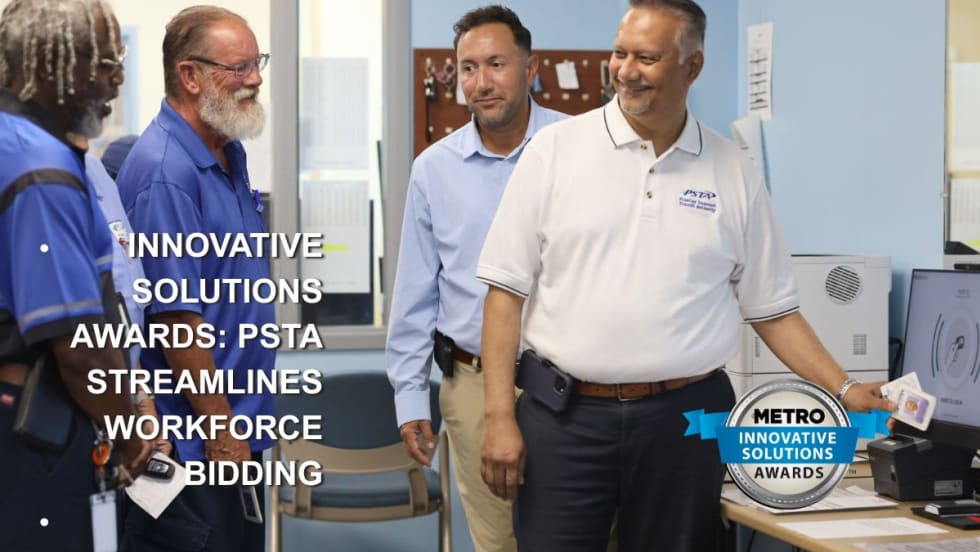
PSTA Modernizes Workforce Management with Digital Bidding System
The award-winning Workforce Transit Modernization project replaced paper bidding with a transparent digital platform, cutting administrative effort while improving access for operators.
Read More →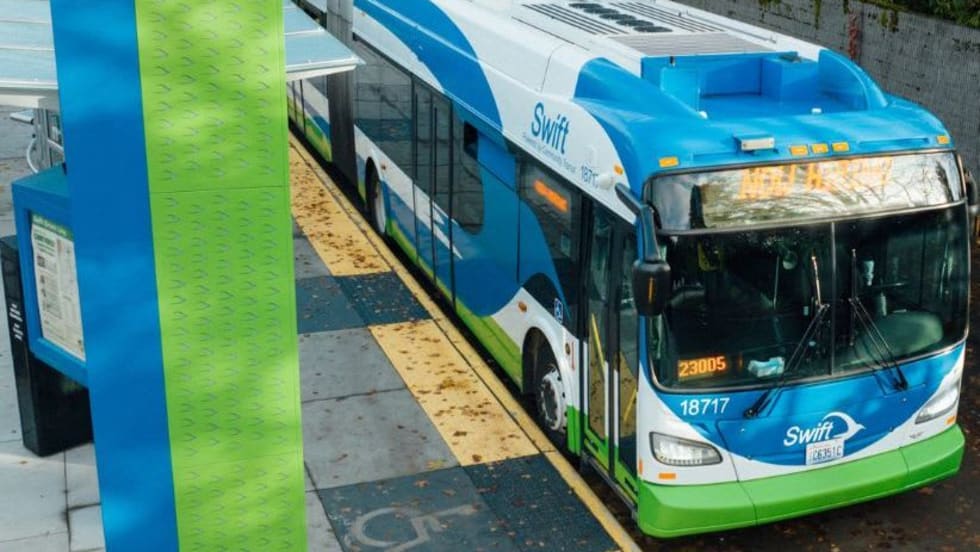
Washington's Community Transit Sets Six-Year Roadmap for Growth, Expansion
Approved TDP targets more bus service, new mobility options, Swift BRT expansion, and a potential Everett Transit annexation.
Read More →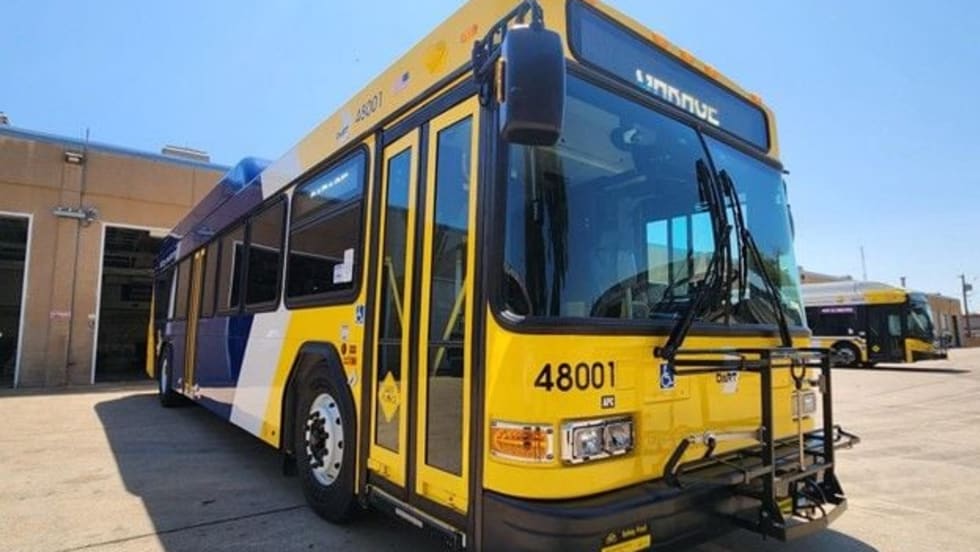
DART Customer Satisfaction Reaches Six-Year High
Overall satisfaction rose to 74.9%, while the agency’s Net Promoter Score reached a record 33.7.
Read More →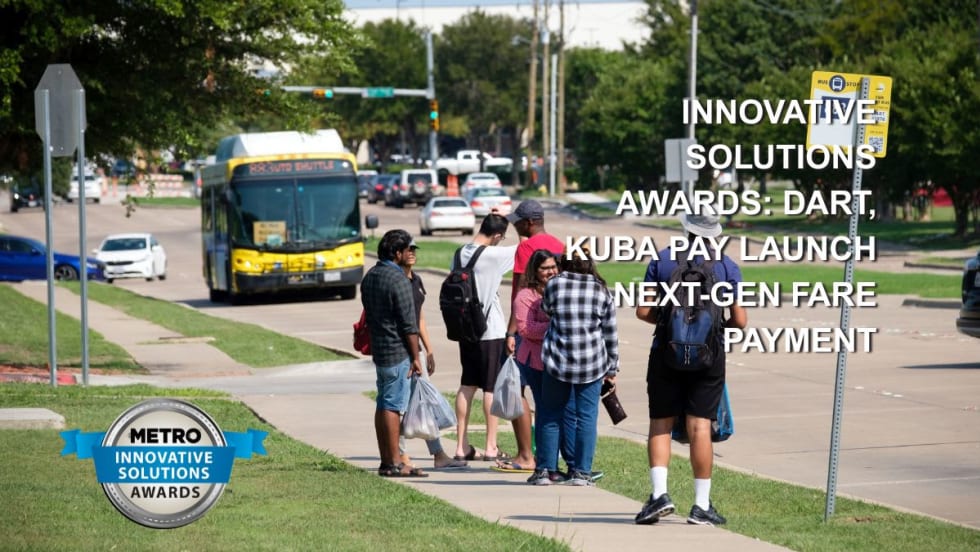
How DART's GoPass Is Redefining Regional Mobility
Serving 14 transit agencies, GoPass simplifies multimodal travel by allowing riders to plan, pay for, and manage an entire trip through one app.
Read More →
Biz Briefs: OCTA Taps Clean Energy for Hydrogen Station, Stadler to Supply Via Rail Vehicles, and More
From manufacturers and suppliers to transit agencies and motorcoach operators, these updates offer a snapshot of the projects, partnerships and business moves driving the industry forward.
Read More →
METRO Magazine Announces 2026 Innovative Solutions Awards Winners
Projects Recognized for Advancing Mobility Through Technology, Accessibility, Workforce Innovation, and Operational Excellence
Read More →
Biz Briefs: STV teams with Amtrak, Motorcoach Operators Boost Fleet and Land Contracts, and More
From manufacturers and suppliers to transit agencies and motorcoach operators, these updates offer a snapshot of the projects, partnerships and business moves driving the industry forward.
Read More →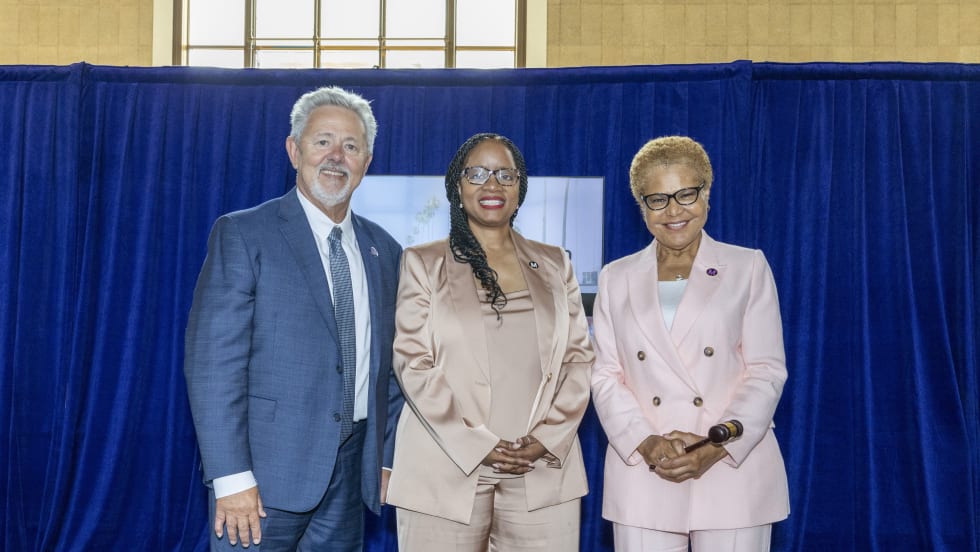
LA Metro Marks Banner Year, Sets Ambitious Goals for New Fiscal Year
Incoming LA Metro Board Chair and Los Angeles Mayor Karen Bass joined outgoing Board Chair Fernando Dutra and LA Metro CEO Stephanie Wiggins to review accomplishments from fiscal year 2026, which included the opening of new rail extensions, advancement of major transit projects, expanded safety programs, and new rider amenities.
Read More →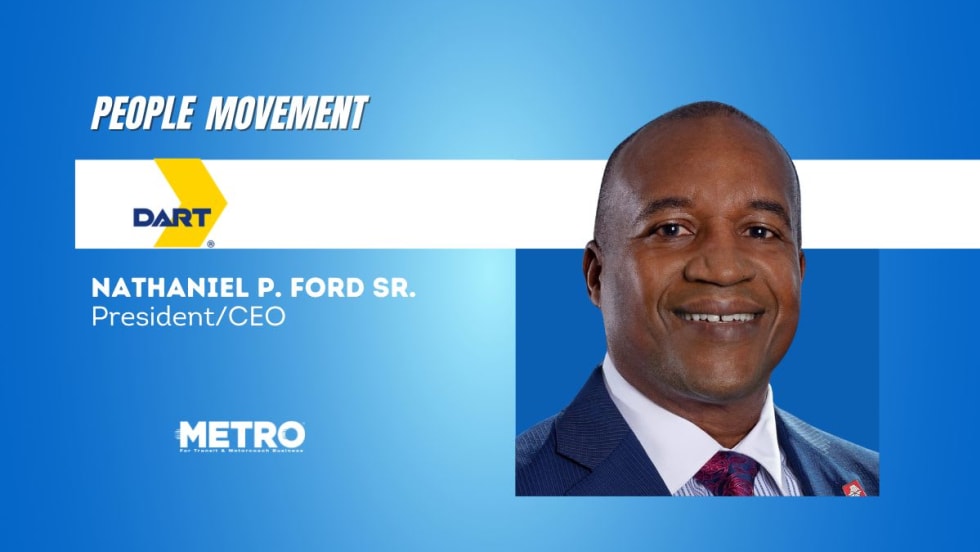
DART Taps Nathaniel P. Ford Sr. as Next President/CEO
Since 2012, Ford has served as the CEO of the Jacksonville Transportation Authority
Read More →
AC Transit’s Cecil Blandon on Building the Next Generation of Transit Maintenance Leaders
The agency’s maintenance chief discusses leadership, workforce development, zero-emission technology, and preparing technicians for the future of public transportation.
Read More →