



A Look at the Most Important Events of the 21st Century
Here are METRO Associate Publisher Cliff Henke’s predictions for the most important events of public transport’s second century.

Last week we revealed our choices for the industry’s 15 most important events of the 20th Century. Here are METRO Associate Publisher Cliff Henke’s predictions for the most important events of public transport’s second century: 1. TEA 21, the first important event of the 21st Century, brings the transit revolution finally to Main Street and Wall Street. Local neighborhood and city chambers of commerce, developers and other local leaders once again take part in transit planning transit-oriented development (WITHOUT federal assistance). All this is funded by new financial instruments created by Wall Street and made possible by giving transit the budgetary contract authority highways have long had. 2. Advent of highly efficient and power-dense hybrid propulsion makes practical railcar and articulated bus (even double-articulated bus) self-propulsion. This eliminates the need for wayside and overhead LRT and metro electrification. It also makes possible grade-separated right-of-way sharing of trains at peak and higher-capacity buses in off-peak (with track adaptations, of course). See Essen, Germany for experiments in this. 3. Computerization, radio-based signaling and satellite tracking become so affordable even for high-end supercomputers that all grade-separated buses and railcar rights-of-way become automated, except for long distance vehicles, which still have drivers aboard as a safety back-up. 4. All transit service is restructured so that public-sector agencies no longer operate transit service. Instead, they broker and manage service either by contracting it, controlling through franchises or dispatching a ride at a time in real-time using technologies in #2. (See "Is a New Model Emerging" in the "In My Opinion" section of this web site.) 5. President Bridgitte J. Slater, daughter of former Secretary of Transportation Slater, signs the "Federal Aid to High-Speed Rail Networks Act." The law gives aid to links between the various state and regional high-speed systems and creates a national information system, map and signage for passenger rail much like the Federal Aid to Highways Act of the 1920s. However, the difference is that this information system will give passengers real-time access to train status and reservations using state-of-the-art information technologies. Agree? Disagree? Can you think of any others? Write in yours to info@metro-magazine.com. Happy New Century!
More Management
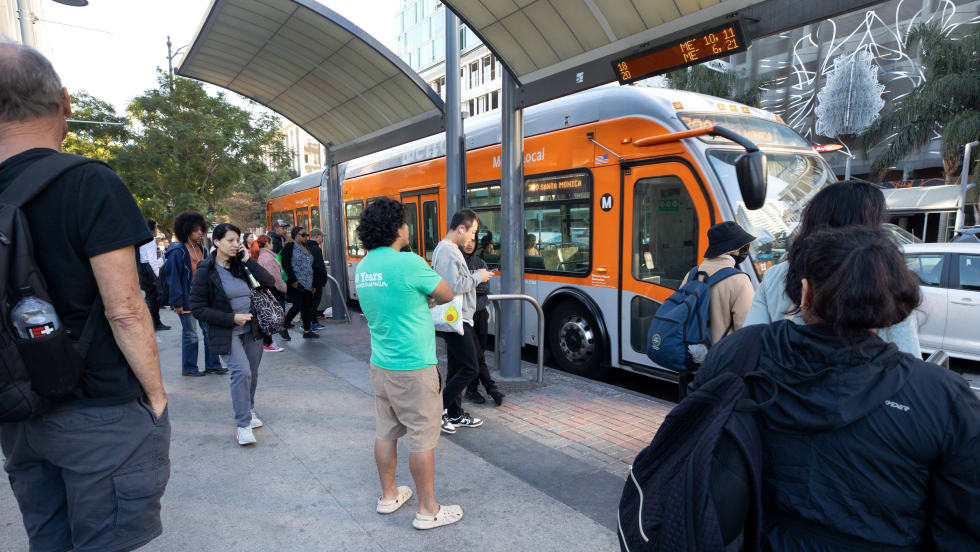
LA Metro Ridership Continues Growth as Rail Gains Accelerate
New rail connections and major events help drive continued ridership gains, with Metro recording its eighth consecutive month of year-over-year rail growth.
Read More →
TransDASH Summit Focuses on Measuring What Matters in Transit
Transit agencies unveil a national performance platform designed to benchmark customer experience, safety, community value, and other outcomes.
Read More →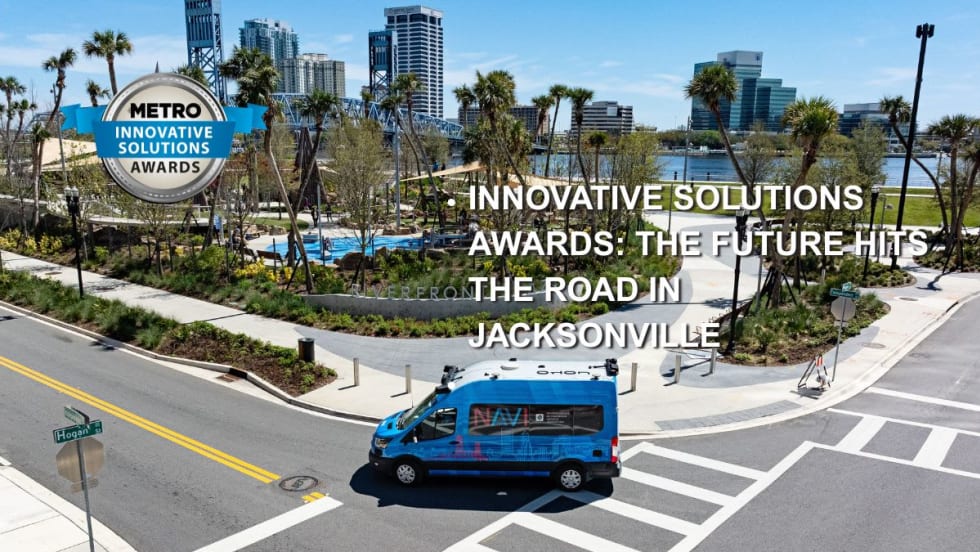
Jacksonville’s NAVI Project Charts a New Course for Autonomous Public Transportation
Through its NAVI program, JTA is showing how autonomous vehicles, intelligent infrastructure, and coordinated operations can work together to deliver everyday public transportation.
Read More →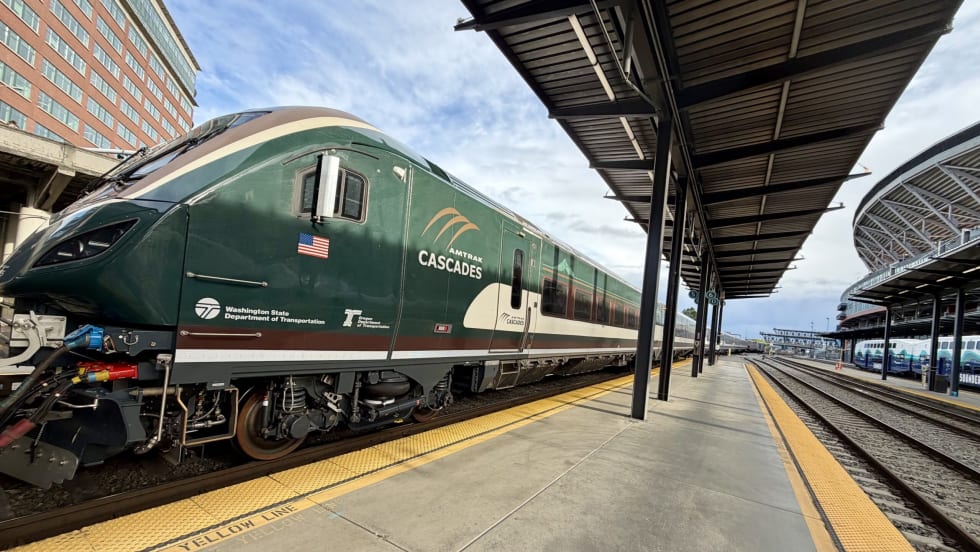
FRA Announces $5.3B in Rail Investments, Including $2B for Amtrak
Funding will support grade-crossing improvements, infrastructure upgrades, and new Amtrak equipment in 23 states.
Read More →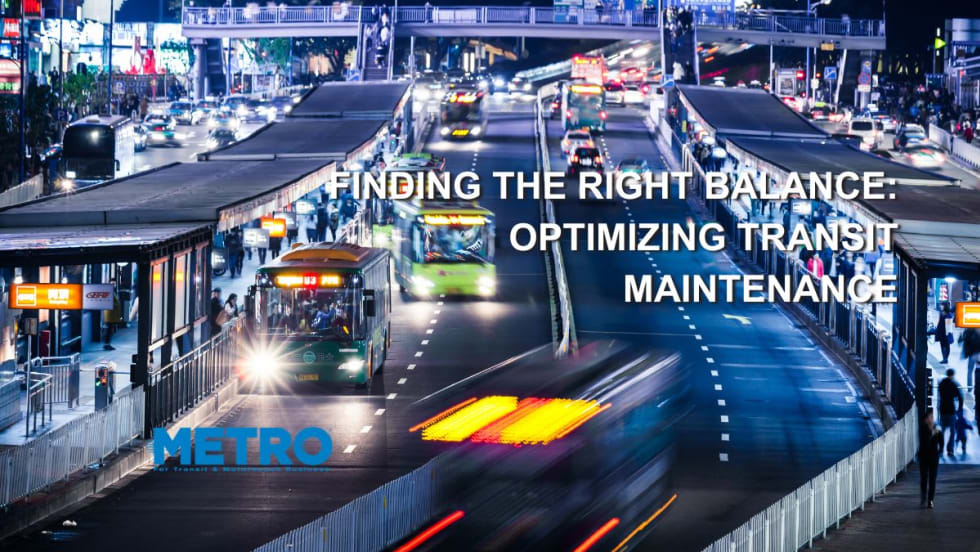
Finding the ‘Happy Medium’: Optimizing Maintenance Without Sacrificing Reliability
The key to maintenance optimization isn’t doing less work—it’s doing the right work at the right time on the right assets.
Read More →
People Movement: MARTA Drops Interim Tag on GM/CEO Hunt and More
In this edition, METRO covers recent appointments and announcements at the FMCSA, HDR, SilverRide, and more, showcasing the individuals helping to shape the future of transportation.
Read More →
VIA Metropolitan Transit Reports 2 Million More Passenger Trips as Better Bus Plan Gains Momentum
San Antonio's transit agency said accelerated service improvements are driving ridership growth, offering another example of how increased frequency and workforce investments can translate into stronger transit performance.
Read More →
ABAF Study Reveals Growing Insurance Crisis for Motorcoach Operators
Preliminary findings show 98% of operators faced premium increases over the past five years, while shrinking insurer participation is putting added pressure on businesses and customers.
Read More →
PSTA Modernizes Workforce Management with Digital Bidding System
The award-winning Workforce Transit Modernization project replaced paper bidding with a transparent digital platform, cutting administrative effort while improving access for operators.
Read More →
Chicago to Host Public Transportation's Biggest Gathering at APTA TRANSform & EXPO 2026
North America’s largest public transportation gathering returns to Chicago, connecting transit decision-makers with the technologies, ideas, and partnerships driving the industry forward.
Read More →