



ABA president talks TEA-21 at transportation conference
Competition with transit agencies seeking new revenue streams is another strong concern among private bus operators that was discussed during the conference.

Speaking on next year's TEA-21 reauthorization proposals, including ADA compliance and transit competition, American Bus Association (ABA) President and CEO Peter J. Pantuso addressed the attendees of the 15th Annual National Rural Public and Intercity Bus Transportation Conference held October 27-30 in Huron, Ohio. The biennial conference, sponsored by the Transportation Research Board and the Federal Transit Administration, brings hundreds of private and public bus operators together from across the country to discuss topics such as ADA compliance, management strategies, TEA-21 reauthorization and intermodalism. "As part of its TEA-21 reauthorization recommendations, ABA is asking Congress to reauthorize and extend the compliance funding program through the life of the next highway and transit bill, and increase the available funding for motorcoach operators to $40 million to cover the actual cost of ADA compliance," Pantuso said during the conference. Later in the conference, Pantuso participated on a panel with key transportation officials on TEA-21 reauthorization. ABA recently completed its recommendations, including a proposal to restore the balance between public and private bus operators. Competition with transit agencies that are increasingly seeking new revenue streams is another strong concern among private bus operators that was discussed during the conference. ABA has argued that the Federal Transit Administration should provide strong and consistent enforcement of rules governing transit competition. ABA is also proposing a new federal fund dedicated exclusively to the development of intermodal passenger facilities. Under its proposal, grants would be made by the U.S. Secretary of Transportation on a competitive basis. The primary criterion for selection would be the extent to which the facility enhances the integration of all modes of intercity as well as the connection with the private automobile. "Truly effective alternatives to the private automobile must be linked to each other and to airports at intermodal transfer facilities to provide seamless transportation for the traveling public," Pantuso said.
More Management
Brian Dickson on Building Stronger, More Resilient Transportation Organizations
Bus Business Consultants Founder Brian Dickson discusses the leadership principles, operational discipline, and strategic planning that separate transportation companies positioned for long-term success from those stuck in survival mode.
Read More →
LA Metro Breaks Ground on Vermont BRT Project
The 12.4-mile corridor is projected to serve 66,200 daily riders, reduce travel times by up to 24%, and create the nation's busiest bus rapid transit corridor.
Read More →
Building Stronger Leaders, More Resilient Transit Teams
Dr. Carol Parker Walsh discusses leadership development, employee retention, workplace culture, and preparing transit’s workforce for AI and automation.
Read More →
Roman Cornell on ABC Companies’ Evolution and the Future of Passenger Transportation
The company’s CEO discusses carrying forward a third-generation family legacy, ABC’s continued evolution in passenger transportation, support for increasingly complex fleets, and how technology and continued investment could help operators improve uptime.
Read More →
CATS Launches West Charlotte Microtransit Zone, Expands Transit Services
The new microtransit zone connects residents to key destinations as Charlotte Area Transit System rolls out the first phase of its 2055 Transit System Plan.
Read More →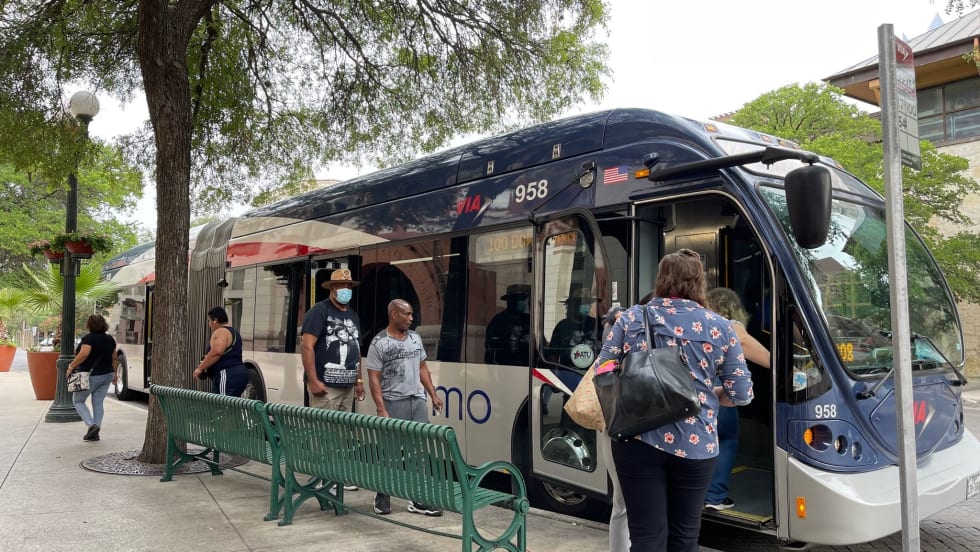
VIA Bus Ridership Grows 10.1% Through August 2026
San Antonio's VIA Metropolitan Transit reported the highest bus ridership growth among major Texas transit systems. Federal Transit Administration data ranked it second among the nation's 50 largest transit systems.
Read More →
CSA Group Releases Climate Resilience Standard for Transit, Passenger Rail
Developed with support from the Standards Council of Canada, CSA D700 guides assessing climate-related risks and planning adaptation measures for transit and passenger rail systems.
Read More →
ETA CEO John Maglio on Transit Technology, Innovation, and Building Agency Trust
ETA founder and CEO John Maglio explores the evolution of transit technology, the importance of reliable systems, and how stronger partnerships can help agencies improve operations and the passenger experience.
Read More →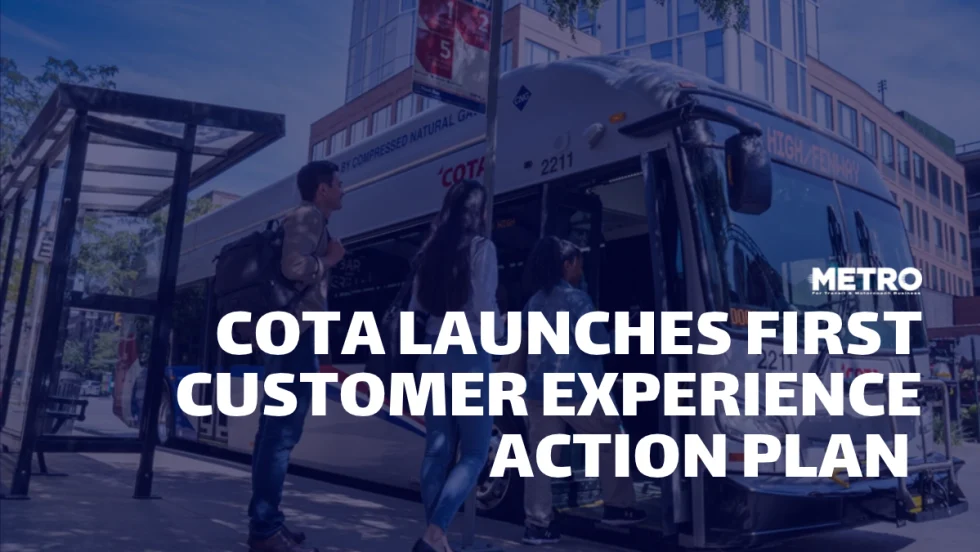
COTA Launches First Customer Experience Action Plan to Improve Transit Service
The new plan outlines improvements to service reliability, accessibility, communication, and the overall rider experience across Central Ohio's transit system.
Read More →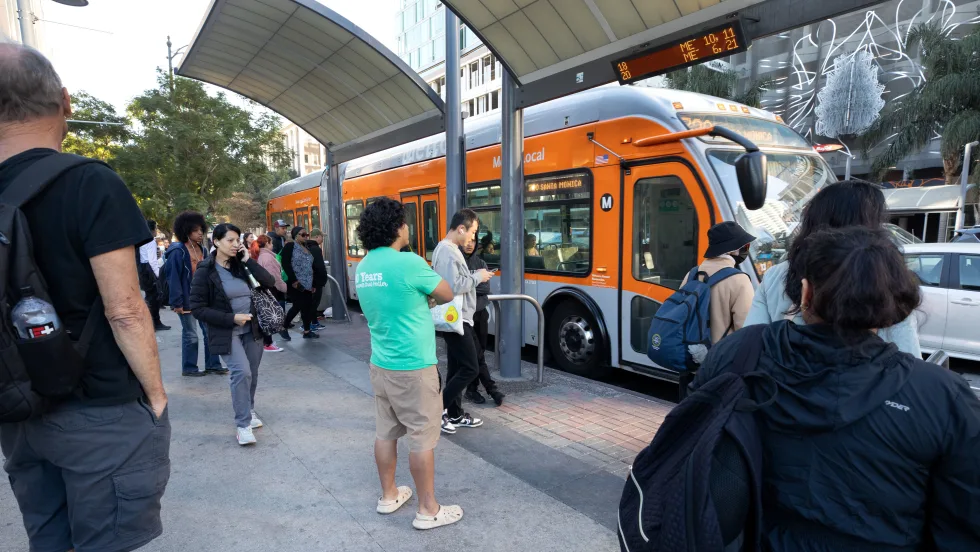
LA Metro September Ridership Climbs 3.9%, Led by Rail Growth
The agency recorded more than 27.2 million boardings, with rail ridership increasing 12.4% year over year and the D Line posting the largest gains.
Read More →