



AC Transit, bus drivers reach contract agreement
The binding decision calls for contributions from the members of Amalgamated Transit Union Local 192 to their health and benefit plans, work rule and holiday changes, and will help the district reduce its protected deficit by approximately $38 million over the term of the contract.

The arbitration panel in the AC Transit labor negotiation has reached a decision between the transit district and the union representing its 1,750 of its bus drivers and mechanics for a new three year contract. The decision was reached in time to halt the weekend service cuts planned for December as part of a cost reduction program by the transit agency.
The binding decision calls for contributions from the members of Amalgamated Transit Union Local 192 to their health and benefit plans, work rule and holiday changes, and will help the district reduce its protected deficit by approximately $38 million over the term of the contract.
“There are no winners or losers in this arbitration,” said Interim General Manager Mary King. “Both AC Transit and the union focused on what is best for the riders and taxpayers of this district and what is in the long-term interest of maintaining public transit for the people we serve.”
King said the conclusion of its labor negotiations is just one of many steps the transit district must take to make comprehensive changes in the face of dwindling federal and state funding, rising costs, and a financially challenged ridership and Bay Area economy.
The previous contract between the union and AC Transit expired June 30 after months of negotiations and no conclusion. The District then imposed a contract on July 18 which was challenged by the union in court. The court sent both sides to binding interest arbitration.
Since March, the District has implemented two service cuts: the reorganization of the district’s bus system and a series of reductions in bus service to decrease the system’s projected deficit. A new round of service cuts which would have reduced a number of weekend service lines was planned for December, but the new three-year contract with the drivers’ union eliminates the need for the December action.
Past actions by the district to save money included:
Rider fare hikes: Local riders are paying more due to the 25 cents per trip fare increase and $10 increase in the price of a monthly pass. Transbay riders are paying more due to the 50 cents per trip fare increase and $16.50 increase in the price of a monthly pass. Youth, senior and disabled riders are paying more due to the 15 cents per trip local fare increase and 30 cents Transbay increase.
Service cuts: Riders also had bus service reduced in March by 7.8 percent or $10.3 million in service hours; a second round of service cuts in October that further reduced service by 7.2 percent or $11.4 million in service hours.
Management cuts: AC Transit eliminated more than 70 general and administrative staff positions. In addition, a third of its executive staff was eliminated – including cutting four executive management staffers. Additionally, the use of district vehicles has been curtailed and management leave benefits canceled. Collectively, this has cut costs $9.2 million.
Reduced spending: The board of directors cut its salary by five percent, cut travel by 50 percent, and eliminated a special travel account for transit advocacy.
More Bus

PSTA Modernizes Workforce Management with Digital Bidding System
The award-winning Workforce Transit Modernization project replaced paper bidding with a transparent digital platform, cutting administrative effort while improving access for operators.
Read More →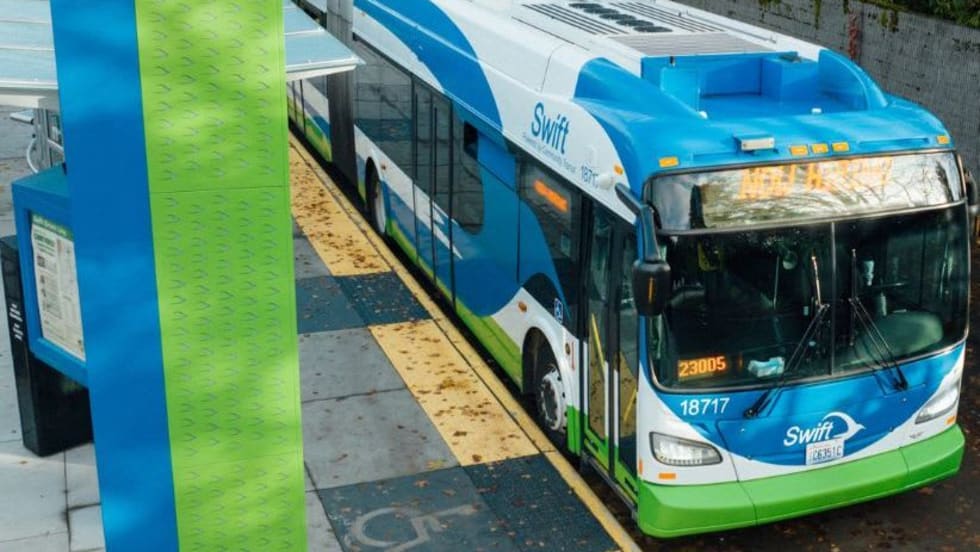
Washington's Community Transit Sets Six-Year Roadmap for Growth, Expansion
Approved TDP targets more bus service, new mobility options, Swift BRT expansion, and a potential Everett Transit annexation.
Read More →
DART Customer Satisfaction Reaches Six-Year High
Overall satisfaction rose to 74.9%, while the agency’s Net Promoter Score reached a record 33.7.
Read More →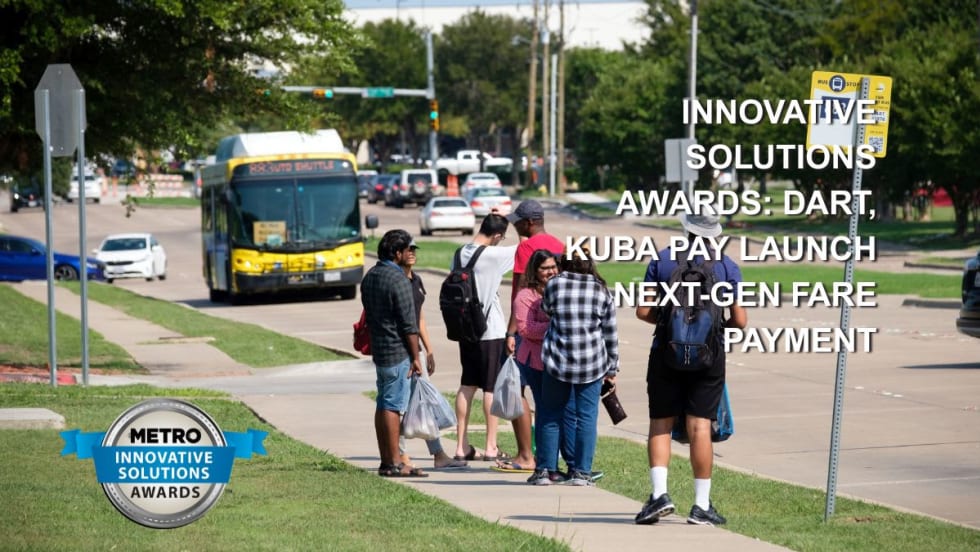
How DART's GoPass Is Redefining Regional Mobility
Serving 14 transit agencies, GoPass simplifies multimodal travel by allowing riders to plan, pay for, and manage an entire trip through one app.
Read More →
Biz Briefs: OCTA Taps Clean Energy for Hydrogen Station, Stadler to Supply Via Rail Vehicles, and More
From manufacturers and suppliers to transit agencies and motorcoach operators, these updates offer a snapshot of the projects, partnerships and business moves driving the industry forward.
Read More →
METRO Magazine Announces 2026 Innovative Solutions Awards Winners
Projects Recognized for Advancing Mobility Through Technology, Accessibility, Workforce Innovation, and Operational Excellence
Read More →
Biz Briefs: STV teams with Amtrak, Motorcoach Operators Boost Fleet and Land Contracts, and More
From manufacturers and suppliers to transit agencies and motorcoach operators, these updates offer a snapshot of the projects, partnerships and business moves driving the industry forward.
Read More →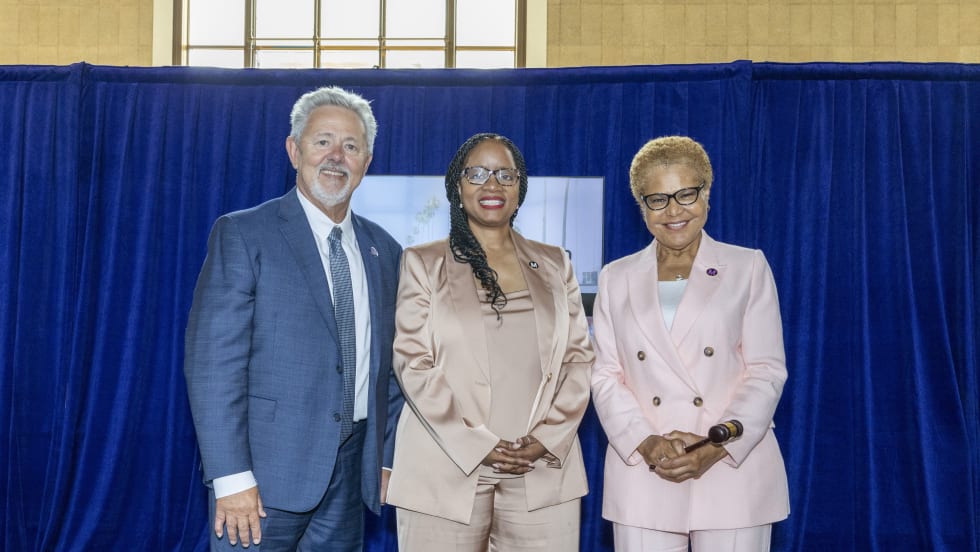
LA Metro Marks Banner Year, Sets Ambitious Goals for New Fiscal Year
Incoming LA Metro Board Chair and Los Angeles Mayor Karen Bass joined outgoing Board Chair Fernando Dutra and LA Metro CEO Stephanie Wiggins to review accomplishments from fiscal year 2026, which included the opening of new rail extensions, advancement of major transit projects, expanded safety programs, and new rider amenities.
Read More →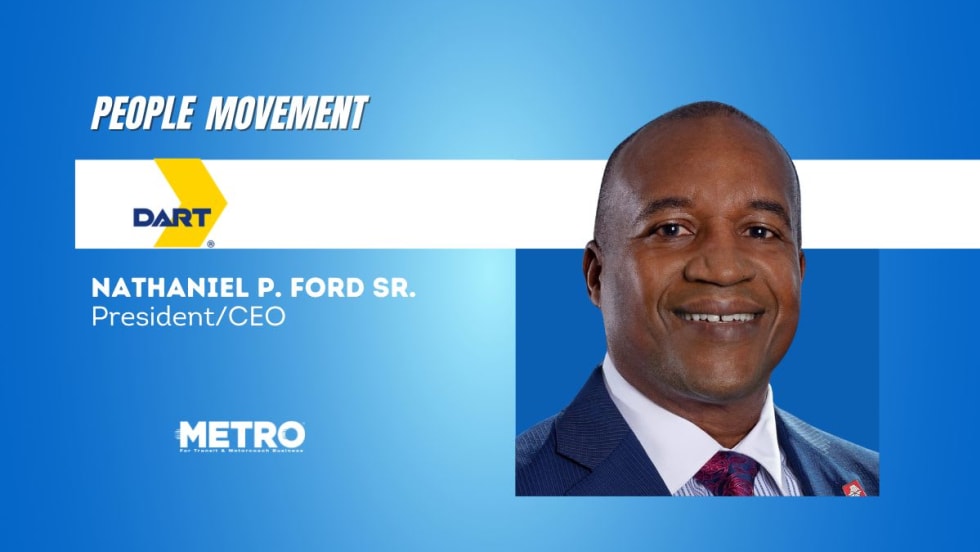
DART Taps Nathaniel P. Ford Sr. as Next President/CEO
Since 2012, Ford has served as the CEO of the Jacksonville Transportation Authority
Read More →
AC Transit’s Cecil Blandon on Building the Next Generation of Transit Maintenance Leaders
The agency’s maintenance chief discusses leadership, workforce development, zero-emission technology, and preparing technicians for the future of public transportation.
Read More →