




Read More: Alstom Launches EC6, Outlines Future Plans
Alstom's Results of North American Hydrogen-Powered Train Demonstration
The Coradia iLint carried more than 10,000 passengers, over 130 trips spanning approximately 6,623 miles in Quebec this summer from mid-June to the end of September.
October 10, 2023
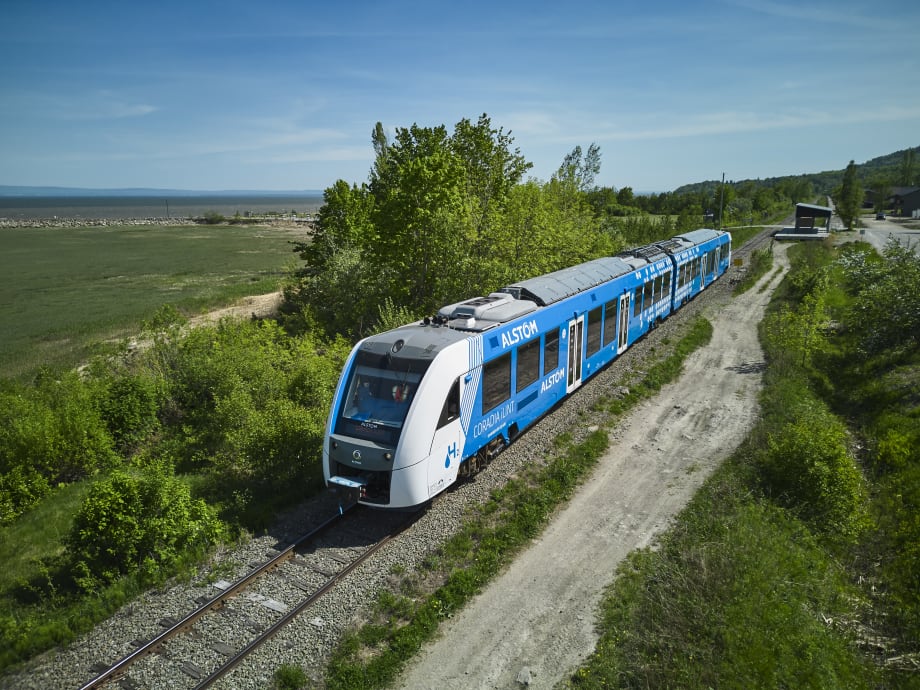
The demonstration saved Alstom's railway partner an estimated 2,219 gallons of diesel and averted 22 tons of CO2 emissions compared to the diesel trains that normally service this route.
Photo: Alstom
2 min to read
Alstom announced the first results of North America’s first demonstration of hydrogen-powered trains.
The Coradia iLint carried more than 10,000 passengers, over 130 trips spanning approximately 6,623 miles in Quebec this summer from mid-June to the end of September.
The demonstration saved Alstom's railway partner an estimated 2,219 gallons of diesel and averted 22 tons of CO2 emissions compared to the diesel trains that normally service this route.
Alstom and its partners welcomed 34 commercial, governmental, and regulatory delegations from North America looking to witness this hydrogen-propulsion technology and capture the requirements for wider implementation across North America.
“This summer, we demonstrated that hydrogen trains can be an attractive, safe, and viable alternative to diesel on non-electrified lines and that we can do it right here in North America,” said Michael Keroullé, president of Alstom in the Americas. “Alstom has clearly taken the lead in supporting rail operators and authorities in their environmental transformation, thanks to its unmatched portfolio of green solutions and its ability to bring together the best players in the industry.”
Alstom's Takeaways from the Demonstration
Alstom released its biggest takeaways from this demonstration:
Hydrogen-powered trains are safe and reliable – if a robust hydrogen ecosystem is available to provide fuel.
Hydrogen-powered mobility requires an agile and reliable hydrogen fuel production and distribution system. North America is taking the first steps towards building this kind of hydrogen ecosystem. Continued investment and commitment will be needed to scale.
To unlock the benefits of hydrogen-powered trains, North American decision-makers will need to adapt regulatory standards that were created before hydrogen was conceived for this purpose.
As this ecosystem matures, it will create new jobs requiring new skillsets around the operation and maintenance of a hydrogen fuel network, hydrogen-powered traction systems, and hydrogen fuel cells.
Alstom is partnering with the Hydrogen Research Institute of the Université du Québec à Trois- Rivières to analyze the results of the demonstration project and will issue a final report for public authorities in early 2024.
The demonstration project was made possible due to a partnership between Alstom, which supplied and maintained the trains, Train de Charlevoix/Réseau Charlevoix who made their teams and tracks available, Harnois Énergies, which provided the right amount of green hydrogen at the expected pressure, HTEC, which implemented the mobile hydrogen charging solution, and Accelera by Cummins, which supplied and maintained the fuel cell during the pilot.
The project was also authorized and supported by the Government of Quebec.
More Zero Emissions
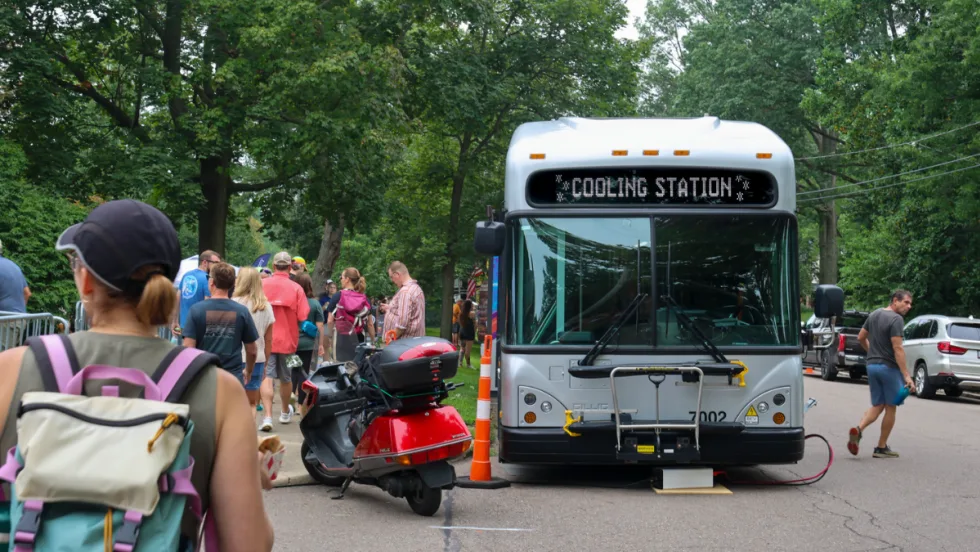
Ohio’s METRO RTA Turns Electric Buses into Mobile Power Sources at PorchROKR
See how three Gillig battery-electric buses powered festival stages while the agency’s new Park & Ride service carried approximately 1,000 attendees, demonstrating another potential use for transit agencies’ electric fleets.
Read More →
CALSTART and Forth Combine to Form Catalyst Mobility
The new name represents a renewed vision for the nonprofit focused on advancing clean, equitable, and affordable transportation solutions that move people and goods.
Read More →
Building a Flexible Path to Transit Electrification
John Hroncich discusses BAE Systems’ modular and scalable approach, lessons learned from decades of real-world operations, and how agencies can identify electrification strategies that fit their fleets.
Read More →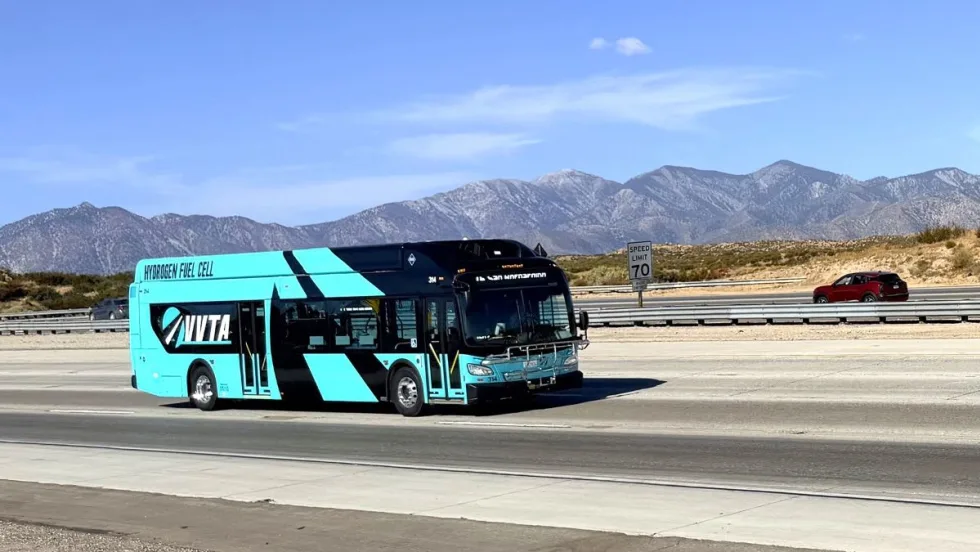
California's VVTA Begins Phased Rollout of Hydrogen Fuel Cell Buses
The agency is introducing 13 zero-emission buses into revenue service while evaluating performance across its urban, rural, and long-distance routes.
Read More →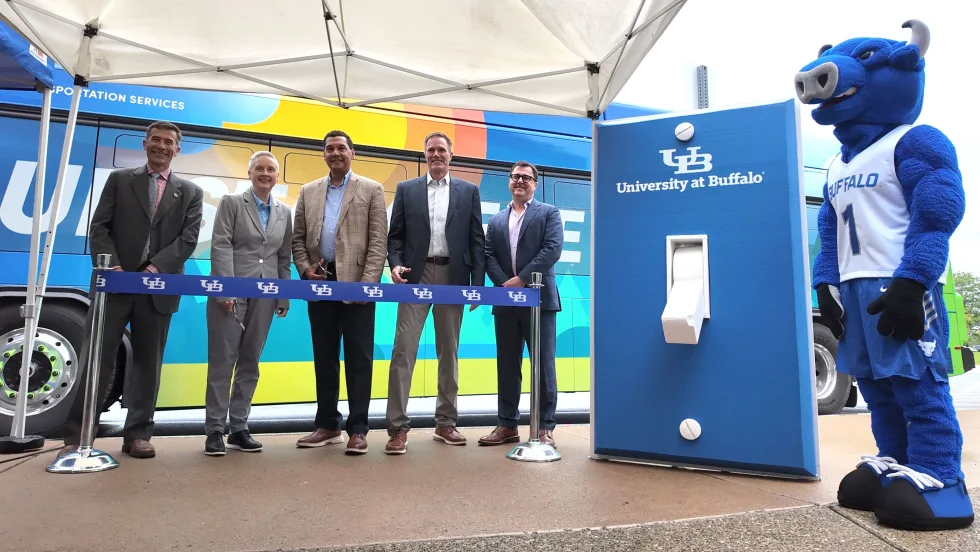
Inside Look: University at Buffalo Puts First 8 Electric Buses Into Stampede Service
UB, transportation solutions provider WeDriveU, and fleet electrification specialist Zenobē marked the deployment in the presence of students, university administrators, and local officials.
Read More →
Biz Briefs: OCTA Taps Clean Energy for Hydrogen Station, Stadler to Supply Via Rail Vehicles, and More
From manufacturers and suppliers to transit agencies and motorcoach operators, these updates offer a snapshot of the projects, partnerships and business moves driving the industry forward.
Read More →
AC Transit’s Cecil Blandon on Building the Next Generation of Transit Maintenance Leaders
The agency’s maintenance chief discusses leadership, workforce development, zero-emission technology, and preparing technicians for the future of public transportation.
Read More →
CTDOT Taps STV for Electric Bus Facility Design
The firm will work with CTDOT and RVT to define the facility layout, operational requirements, and long-term flexibility for RVT’s growing electric fleet.
Read More →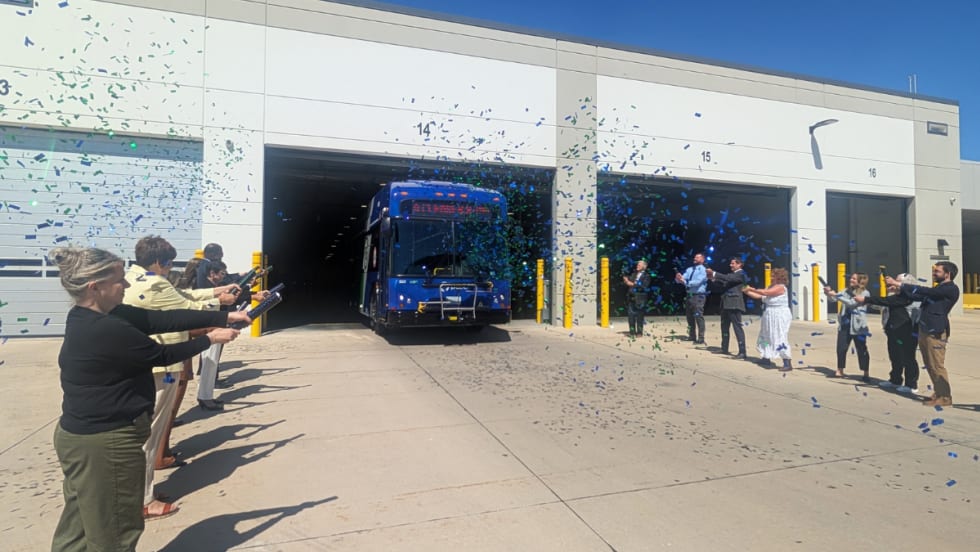
Chicago’s Pace Deploys 24 Hybrid-Electric Buses in Will County
The new buses reduce emissions and fuel consumption while advancing the agency's long-term goal of transitioning to a fully zero-emission fleet.
Read More →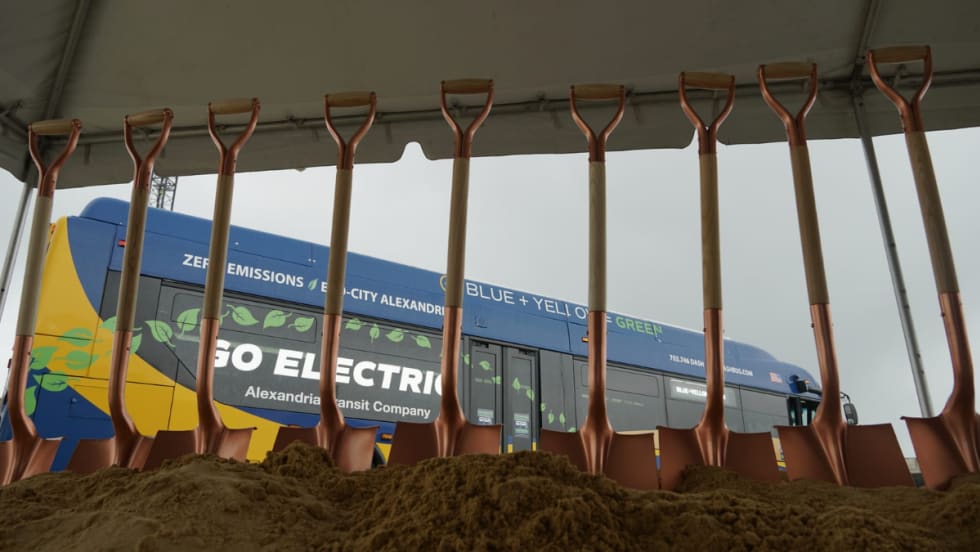
DASH Breaks Ground on First On-Route Electric Bus Chargers in D.C. Region
The fast-charging infrastructure will help extend electric bus range, improve fleet utilization, and support DASH's goal of transitioning to a fully zero-emission fleet.
Read More →