



Alstom, Engie Partner to Supply Fuel Cell System with Renewable Hydrogen
Alstom is designing a hydrogen solution based on a high-power fuel cell system that can power electric locomotives on non-electrified sections.

Sébastien Arbola, Executive Vice President, ENGIE; Catherine MacGregor, Chief Executive Officer ENGIE; Henri Poupart-Lafarge, Chief Executive Officer, Alstom; Raphael Bernardelli, Vice-President, Corporate Strategy, Alstom
Photo: Vincent Breton/ Engie
Alstom and Engie have signed a partnership agreement to offer the rail freight sector a solution for the decarbonization of mainline operations by replacing diesel-powered locomotives with hydrogen versions.
Under the terms of this partnership agreement, Alstom is designing a hydrogen solution based on a high-power fuel cell system that can power electric locomotives on non-electrified sections.
Engie is supplying the renewable hydrogen for this solution via the deployment of an innovative supply chain.
This partnership will provide a low-carbon, zero-emission solution in response to climate, environmental, and public health issues, according to the news release.
For Alstom, this partnership is in line with its strategic plan ‘Alstom in Motion 2025’ as well as its hydrogen strategy initiated in 2013 with the development of the Coradia iLint train and pursued with the acquisition of fuel cell manufacturer Helion Hydrogen Power in 2021.
“Our ambition is to accelerate the adoption of hydrogen power in the rail industry by developing innovative solutions that help green heavy-duty mobility operations like rail freight. In order to help drive the evolution of the hydrogen rail sector we need to gather stakeholders, and this is exactly why we have decided to partner with Engie," said Raphaël Bernardelli, VP, Corporate Strategy, Alstom.
Engie said this partnership is in line with its aim to supply heavy-duty mobility markets with renewable hydrogen.
“After successfully supplying the Coradia iLint during tests in the Netherlands in 2020, we are delighted to continue our efforts with Alstom in decarbonising heavy-duty mobility by combining our respective expertise to serve European rail freight," said Sébastien Arbola, EVP, Engie. "This partnership marks a new step in the development of renewable hydrogen solutions and building a low-carbon economy.”
More Zero Emissions

Caltrain’s Electrification Drives a New Era of Ridership Growth
The railroad’s shift to electric service has brought more frequent trains, stronger customer satisfaction, and increased ridership, earning it APTA’s Outstanding Public Transportation System award.
Read More →
Building a Flexible Path to Transit Electrification with BAE's John Hroncich
John Hroncich discusses BAE Systems’ modular and scalable approach, lessons learned from decades of real-world operations, and how agencies can identify electrification strategies that fit their fleets.
Read More →
LA Metro Board Awards 220 Battery-Electric Bus Contract to ENC
The contract, which is the largest base award of battery-electric buses by a U.S. transit agency, will be built in Southern California, sustaining good jobs as LA prepares to welcome the world in 2028
Read More →
Public Transit Conference Returning to GFX in 2027, Call for Papers Now Open
The Call for Papers is now open, allowing transit agency professionals and industry experts to help shape the PTC educational program by submitting session ideas for consideration.
Read More →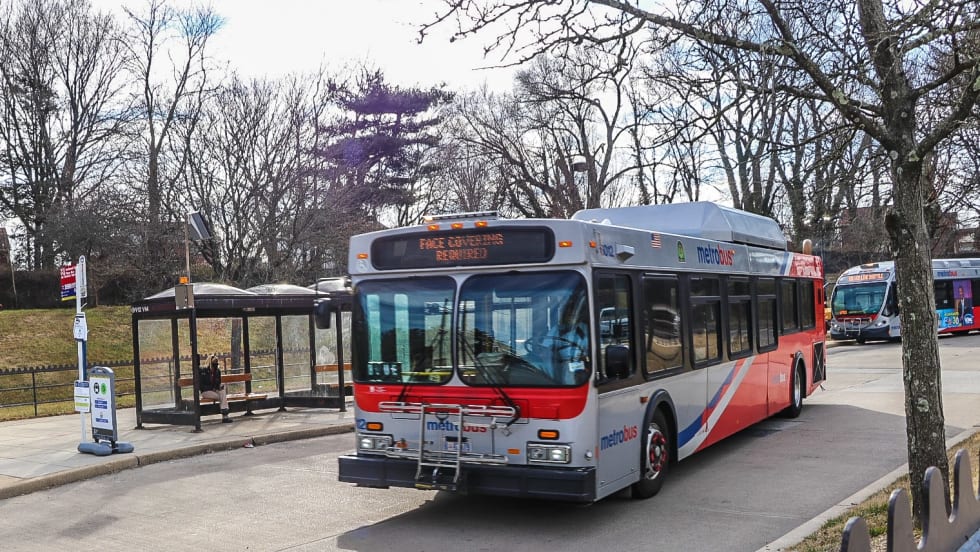
Report: Transit Bus Manufacturing Supports 34,100 Jobs, $5.1B in GDP
The “Buses Mean Business” report examines the transit bus manufacturing industry’s economic footprint, supply chain, and rising demand for vehicle replacements.
Read More →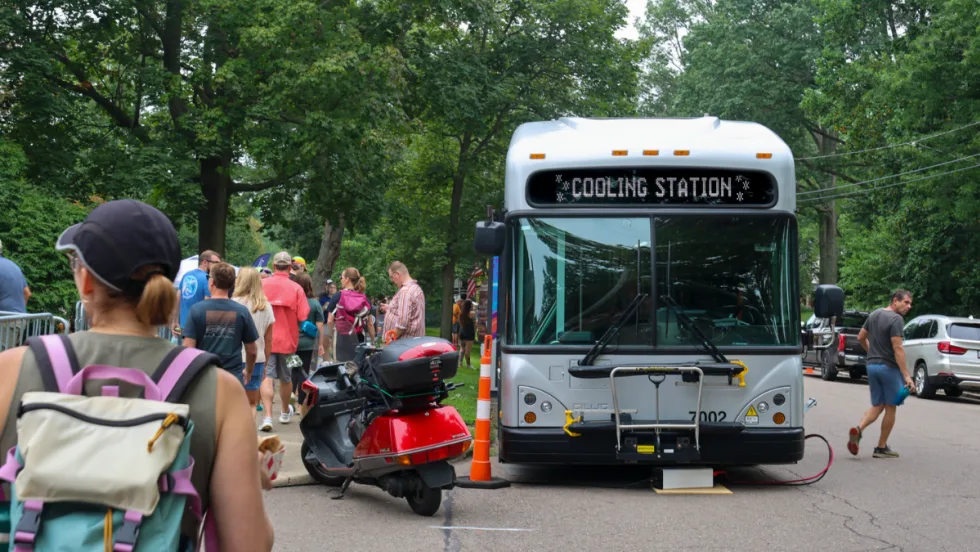
Ohio’s METRO RTA Turns Electric Buses into Mobile Power Sources at PorchROKR
See how three Gillig battery-electric buses powered festival stages while the agency’s new Park & Ride service carried approximately 1,000 attendees, demonstrating another potential use for transit agencies’ electric fleets.
Read More →
CALSTART and Forth Combine to Form Catalyst Mobility
The new name represents a renewed vision for the nonprofit focused on advancing clean, equitable, and affordable transportation solutions that move people and goods.
Read More →
Building a Flexible Path to Transit Electrification
John Hroncich discusses BAE Systems’ modular and scalable approach, lessons learned from decades of real-world operations, and how agencies can identify electrification strategies that fit their fleets.
Read More →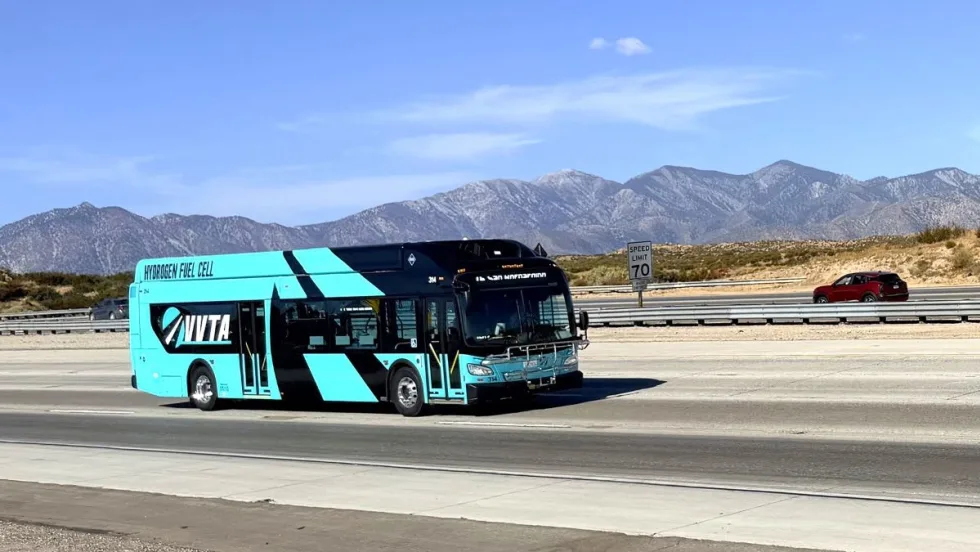
California's VVTA Begins Phased Rollout of Hydrogen Fuel Cell Buses
The agency is introducing 13 zero-emission buses into revenue service while evaluating performance across its urban, rural, and long-distance routes.
Read More →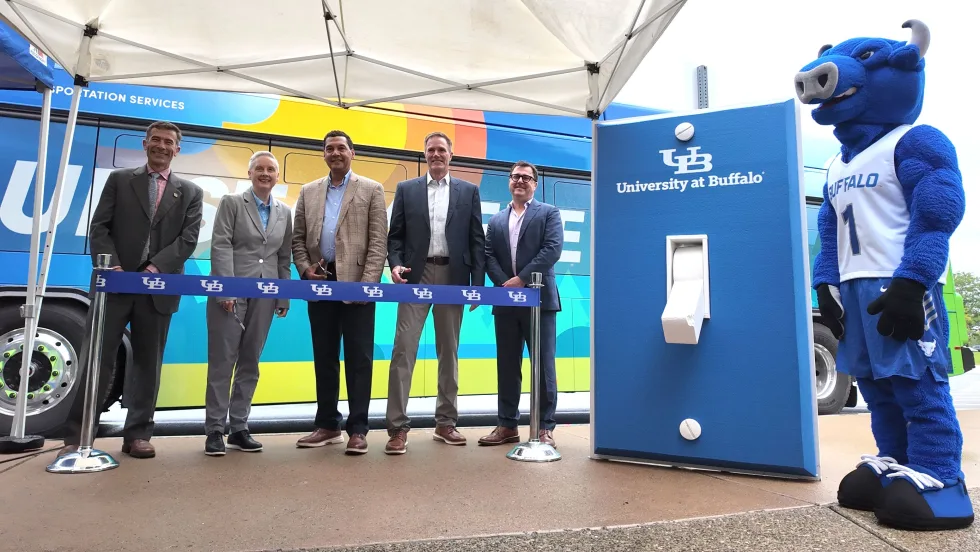
Inside Look: University at Buffalo Puts First 8 Electric Buses Into Stampede Service
UB, transportation solutions provider WeDriveU, and fleet electrification specialist Zenobē marked the deployment in the presence of students, university administrators, and local officials.
Read More →