



American U. Partners With Zipcar to Offer Car Sharing on Campus
Participating members with smartphones, including iPhone and Android devices, may download the Zipcar mobile application to make reservations, lock and unlock the vehicles and honk the horn to help locate the vehicle.


Photo courtesy: American University
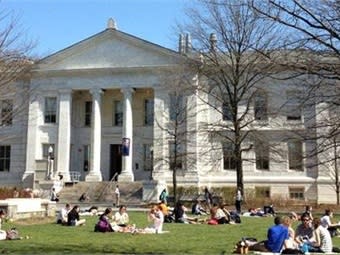
Photo courtesy: American University
American University announced a unique new partnership with Zipcar, the world's leading car sharing network, to offer a special car sharing program on campus. The new program will provide access to car sharing vehicles for all of Zipcar members of the Washington, D.C.-based school, as well as select vehicles dedicated for the exclusive use of faculty, staff and students needing cars for school-sanctioned activities. All American University vehicles will be available to students ages 18 and older.
RELATED:DART, Zipcar partnership adds vehicles at rail station
American University will initially offer six seven-passenger vans, including the Ford Transit Connect and Toyota Sienna, for exclusive use by approved faculty, staff and student organizations as part of a first-of-its-kind program. Two additional Zipcars, a Ford Escape SUV and a Honda Civic, will also be available for all students, faculty, staff and Zipcar members in the local community. These Zipcars will have designated parking spots located at Clark Hall and Asbury Hall for convenient pick-up and return. Zipcars are available on-demand and can be easily reserved and accessed 24 hours a day, seven days a week. All membership costs for approved members of the dedicated passenger van program will be paid for by the university when using the vehicles for school-related activities.
Additionally, all students, faculty and staff at American University can now join Zipcar as members for their personal use for $15 for the first year of membership, plus affordable hourly and daily rates for Zipcar vehicles when a set of wheels is needed. After the first year, members will pay an annual membership fee of $35. Gas, insurance and up to 180 miles of driving per day are included in Zipcar rates, and cars can be reserved for as little as an hour or for multiple days. American University Zipcar members also have access to over 830 Zipcars throughout the greater Washington, D.C. area. American University students, faculty and staff can join Zipcar at www.zipcar.com/AU.
"From concept to reality, this is a unique opportunity for American University to make great strides in the areas of sustainability and savings on capital investments," said Daniel Nichols, executive director for risk, safety and transportation programs. "AU is proud to lead this model program and offer this access to our campus community."
Participating members with smartphones, including iPhone and Android devices, may download the Zipcar mobile application to make reservations, lock and unlock the vehicles and honk the horn to help locate the vehicle. Reservations can also be made over the phone or on the Zipcar website. The cars on American University's campus will also be equipped with special parking permit stickers that allow Zipcar members to park in any metered space or residential parking permit zone within the District during their reservation at no additional cost to the member.
"Zipcar is delighted to partner with American University to create this program to meet the needs of students, faculty and staff," said Scott Hall, general manager of Zipcar Washington, D.C. "From our direct-billed account members driving minivans to and from school activities, to students using Zipcars for errands, job interviews, excursions into the city, or weekend trips away, Zipcar provides a convenient and cost-effective transportation option for virtually every need."
More Bus
People Movement: Dan Dipert Coaches Adds Third-Generation Leader, Keolis Names New Valley Metro VP/GM, and More
In this edition, we also cover recent appointments and announcements at the Wabtec, SilverRide, HNTB, and more, showcasing the individuals helping to shape the future of transportation.
Read More →
New York MTA Plans Largest Bus Fleet Upgrade in More Than a Decade
The agency is seeking manufacturers for 650 new CNG buses to replace aging vehicles, improve reliability, and advance its broader fleet modernization strategy.
Read More →
Building a Flexible Path to Transit Electrification
John Hroncich discusses BAE Systems’ modular and scalable approach, lessons learned from decades of real-world operations, and how agencies can identify electrification strategies that fit their fleets.
Read More →
Bus Tech Talk: Keeping Transit Technicians Ahead of the Technology Curve
LA Metro’s Obed Mejia discusses technician training, evolving maintenance technology, fleet replacement, and strategies for getting the most out of today’s transit fleets.
Read More →
Biz Briefs: RIPTA Unveils New Frontrunners, Clevland RTA Adds New Siemens, and More
In METRO's latest installment, we take a look at recent news from Siemens, Prevost, Dodge, and more partnerships making headlines across the transportation sector.
Read More →
People Movement: Holly Arnold Joins Transdev and More
In this edition, we also cover recent appointments and announcements at Pace, CamTran, MCI, and more, showcasing the individuals helping to shape the future of transportation.
Read More →
The High Cost of Transit Buses: Industry Leaders Look to Procurement Reform
Transit leaders and policymakers examine how standardized bus designs, streamlined procurement, and predictable funding could help agencies stretch budgets and deliver better service.
Read More →
The Business Voice Behind Public Transportation
As chair of APTA’s Business Members Board of Governors, Ray Melleady explains how more than 850 business members are partnering with transit agencies to advance funding, innovation, and industry-wide collaboration.
Read More →
From Surviving to Thriving: Building Stronger Transportation Organizations
Bus Business Consultants founder Brian Dickson shares lessons on leadership, organizational health, and creating options for long-term success in a changing transportation industry.
Read More →
Finding the ‘Happy Medium’: Optimizing Maintenance Without Sacrificing Reliability
The key to maintenance optimization isn’t doing less work—it’s doing the right work at the right time on the right assets.
Read More →