



Amtrak Marks ADA Anniversary with Continued Accessibility Upgrades
Amtrak marked the anniversary of the landmark ADA, signed into law on July 26, 1990, by highlighting the company’s robust accessibility program and integrated approach to improve the travel experience — from trip planning, to purchasing tickets and the experience at stations, to equipment and on-board services.

Amtrak brought 17 stations into ADA compliance this year by improving elements including parking lots, station buildings, and platforms.
Photo: Amtrak
Amtrak is investing $155 million in Fiscal Year 2024 in station accessibility upgrades and improvement projects across the National Network to ensure a safe, efficient, and comfortable travel experience for customers with disabilities as part of the company’s program to achieve compliance with the Americans with Disability Act (ADA).
Amtrak marked the anniversary of the landmark ADA, signed into law on July 26, 1990, by highlighting the company’s robust accessibility program and integrated approach to improve the travel experience — from trip planning, to purchasing tickets and the experience at stations, to equipment and on-board services.
“Investing to improve accessibility is a core responsibility for Amtrak and key priority for the entire company,” Amtrak President Roger Harris said. “The execution of all the work on assets and at stations depends on the strong collaboration and shared commitment from many, from the community, national disability organizations, leaders in Congress, the Department of Transportation, local governments, freight railroads, and other partners. We thank these partners and stakeholders for their help, guidance, and advocacy.”
Amtrak Accessibility Work
Amtrak is advancing projects in the following areas:
Stations
Amtrak brought 17 stations into ADA compliance this year by improving elements including parking lots, station buildings, and platforms.
A total of 43 station accessibility improvement construction projects are in progress and 144 design projects are underway.
Amtrak designed and deployed assistive boarding equipment, including bridge plates and ramps, to help customers with reduced mobility board and depart from the train.
Passenger Information Display Systems (PIDS), audio and visual train status, and boarding information, are now available at 87 stations, up from 76 a year ago.
Induction hearing loops, an assistive listening system that sends clear sound directly to a user’s hearing aid or cochlear implant, are now available at ticket counters at 85 stations.
Equipment
Amtrak’s new Acela trains, now in testing and in service soon, will:
Offer enhancements for passengers with spacious accessible restrooms with 60-inch clear turning space, touchless features, and ample grab bars for stability; accessible Café cars; and Braille seat numbers.
The new trains will offer customers an improved Public Address Customer Information System (PACIS), which will provide real-time information such as location, train speed and conductor announcements in both audio and visual formats.
Amtrak’s new Airo trains will offer spacious accessible restrooms, vestibules, and Cafe cars.
Accessibility improvements across all fleets include adding handrails to Superliner accessible bedrooms, folding tray tables at accessible seating areas, slip-resistant vestibule flooring, and compliant service counters in Café Cars.
Amtrak’s ADA Stations Program
Amtrak’s Americans with Disabilities Act Stations Program is delivering accessibility-related station improvement projects to ensure customers with disabilities can successfully navigate the rail network.
Amtrak estimates completion of another 39 stations for this fiscal year at a forecasted investment of $140 million. To date, the passenger railroad provider has invested more than $880 million since 2011 dedicated to advancing accessibility at all levels.
The federal funds provided by the Infrastructure Investment & Jobs Act (IIJA) have allowed Amtrak to make accessibility improvements at 40 stations in 19 states, to date.
IIJA continues to fund a comprehensive improvement program to ensure a safe, efficient, and comfortable travel experience with a focus on accessibility and inclusion at Amtrak.
More Paratransit
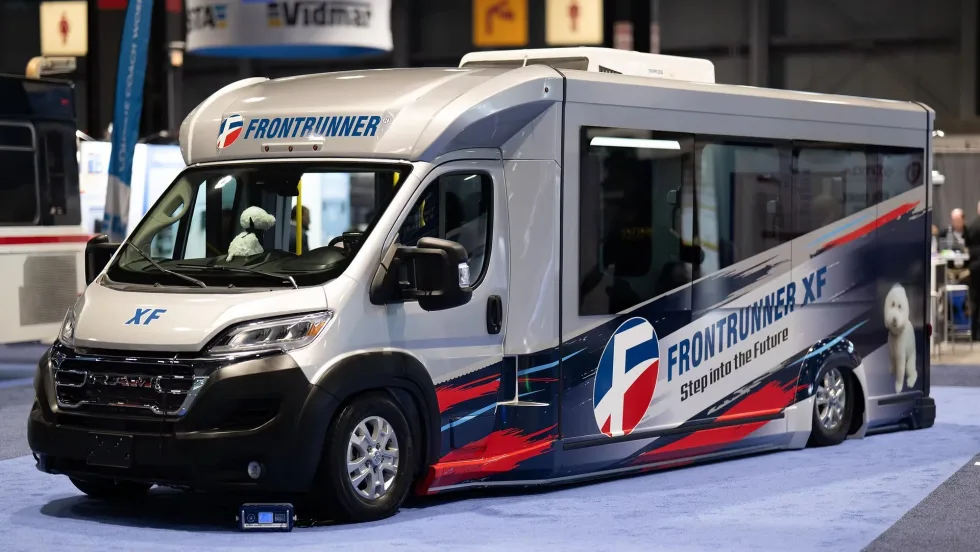
Frontrunner Bus Group Introduces XF Low-Floor Bus with Enhanced Accessibility
The new mid-sized bus features a full flat-floor design, eight-inch curbside step-in height, and zero-entry rear ramp to improve passenger access and operational flexibility.
Read More →
Scenes from APTA TRANSform & EXPO 2026
Transit leaders, manufacturers, and industry professionals gathered in Chicago to explore new technologies, share ideas, and discuss the future of public transportation.
Read More →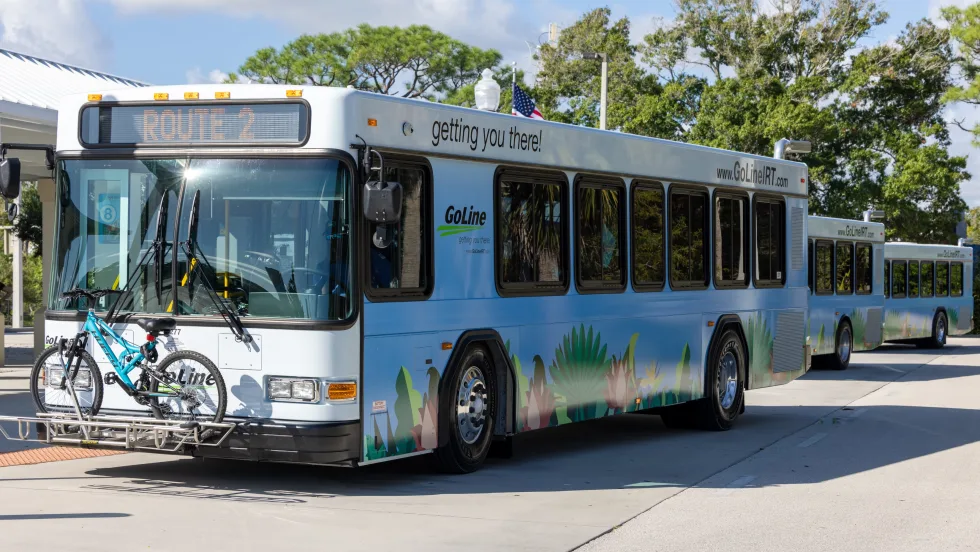
Indian River Transit’s Community-Focused Approach Earns National Recognition
Named APTA’s 2026 Outstanding Public Transportation System in its size category, Florida’s Indian River County transit system continues to grow ridership through fare-free service and a focus on evolving community needs.
Read More →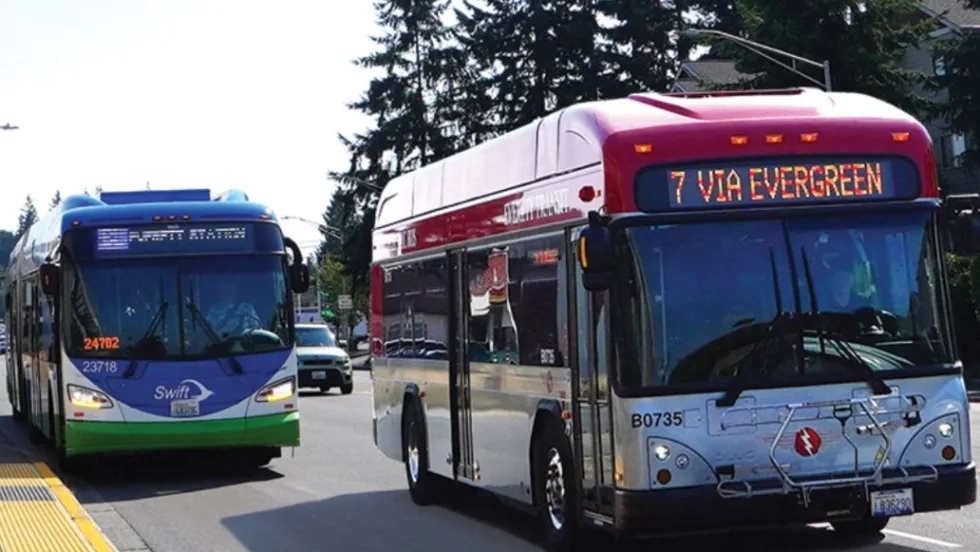
Everett Transit, Community Transit Outline Consolidation Agreement
The proposed agreement calls for a 50% increase in bus service in Everett, a new microtransit zone, continued paratransit service, and the transfer of Everett Transit operations to Community Transit.
Read More →
Driving Smarter Paratransit
John Hanlon shares how AlphaRoute is leveraging AI-powered technology to help paratransit providers optimize operations, support frontline staff, and enhance the rider experience.
Read More →
People Movement: Dan Dipert Coaches Adds Third-Generation Leader, Keolis Names New Valley Metro VP/GM, and More
In this edition, we also cover recent appointments and announcements at the Wabtec, SilverRide, HNTB, and more, showcasing the individuals helping to shape the future of transportation.
Read More →
Biz Briefs: RIPTA Unveils New Frontrunners, Clevland RTA Adds New Siemens, and More
In METRO's latest installment, we take a look at recent news from Siemens, Prevost, Dodge, and more partnerships making headlines across the transportation sector.
Read More →
King County Metro Makes ADA Paratransit Easier to Navigate
METRO's Innovative Solutions Award winner replaces complex service-area descriptions with an accessible, interactive map that puts paratransit information directly in customers’ hands.
Read More →
Jacksonville’s NAVI Project Charts a New Course for Autonomous Public Transportation
Through its NAVI program, JTA is showing how autonomous vehicles, intelligent infrastructure, and coordinated operations can work together to deliver everyday public transportation.
Read More →
Driving Smarter Paratransit
John Hanlon shares how AlphaRoute is leveraging AI-powered technology to help paratransit providers optimize operations, support frontline staff, and enhance the rider experience.
Read More →