



APTA Rail Meeting Looks at Lower-Cost Project Solutions
Amidst the euphoria over record rail ridership and new spending numbers, the 1,200 attendees at APTA’s rail conference this year were concerned about the increasingly crowded field in the new starts race.

Amidst the euphoria over record rail ridership and new spending numbers, the 1,200 attendees at APTA’s rail conference this year were concerned about the increasingly crowded field in the new starts race. Accordingly, they were looking for ways to make their projects more attractive to the feds, the money already committed to their programs stretch further and their projects open for revenue service faster. “Ridership grew 5% last year, more than twice as vast as vehicle miles traveled,” said APTA CEO Bill Millar. “It grew faster than air travel, which increased 3% last year.” Last year’s 9 billion transit trips represented the highest patronage since Ike was in the White House. Nor does it look like it will let up. Indeed, according to Rep. Richard Gephardt, as House Minority Leader one of transit’s most powerful allies in Congress, cited Census Bureau projections of the U.S. population’s doubling in 80 years, three-quarters of which locating in metropolitan areas. “We are in an infrastructure crisis in America,” he said. “The public-sector commitment has not kept pace with the development demand.” This presents a double-edge sword for public transport: how to pay for growth to accommodate increasing demand, especially rail transit. “There are 47 projects either under construction or advanced stages of planning,” said Millar. “The federal government now contributes less than half of the funding for new rail capital projects.” Searching for cheaper, faster and better ways of delivering projects could have been a more accurate theme for the gathering than the official one, “Public Transportation Delivers.” There was one session on shared corridors, two on lower-cost vehicle designs, two on turnkey contracting, one on innovative financial techniques and three on other money- and time-saving ideas. Two others touched on ways to improve political support for new projects. “Only one of every three referenda to build or expand rail transit passed this past year,” said current APTA chairman John Bartosiewicz, general manager of the T in Ft. Worth, Tex. “We need to improve that record significantly.” To order a CD-ROM containing many of these and other papers presented at the conference visit APTA’s Website, www.apta.com.
More Rail
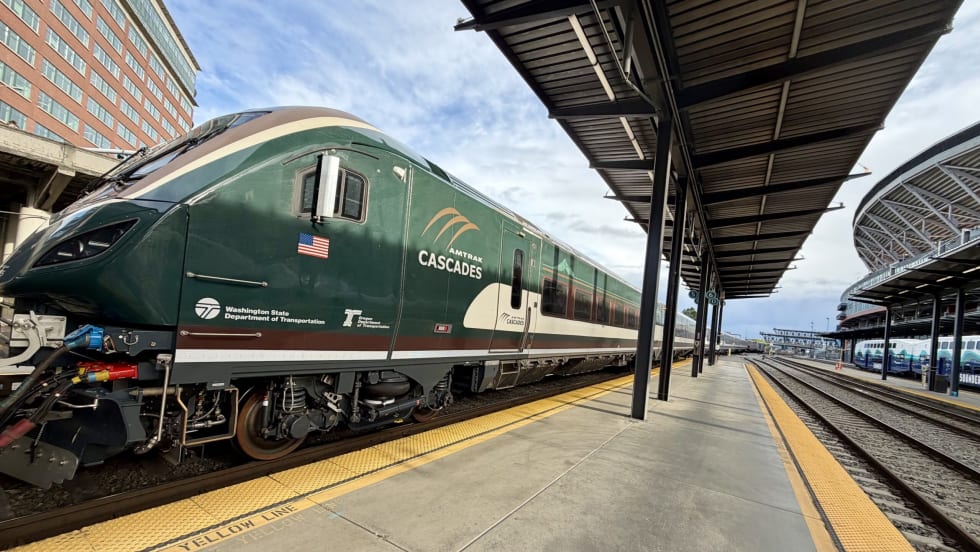
FRA Announces $5.3B in Rail Investments, Including $2B for Amtrak
Funding will support grade-crossing improvements, infrastructure upgrades, and new Amtrak equipment in 23 states.
Read More →
Finding the ‘Happy Medium’: Optimizing Maintenance Without Sacrificing Reliability
The key to maintenance optimization isn’t doing less work—it’s doing the right work at the right time on the right assets.
Read More →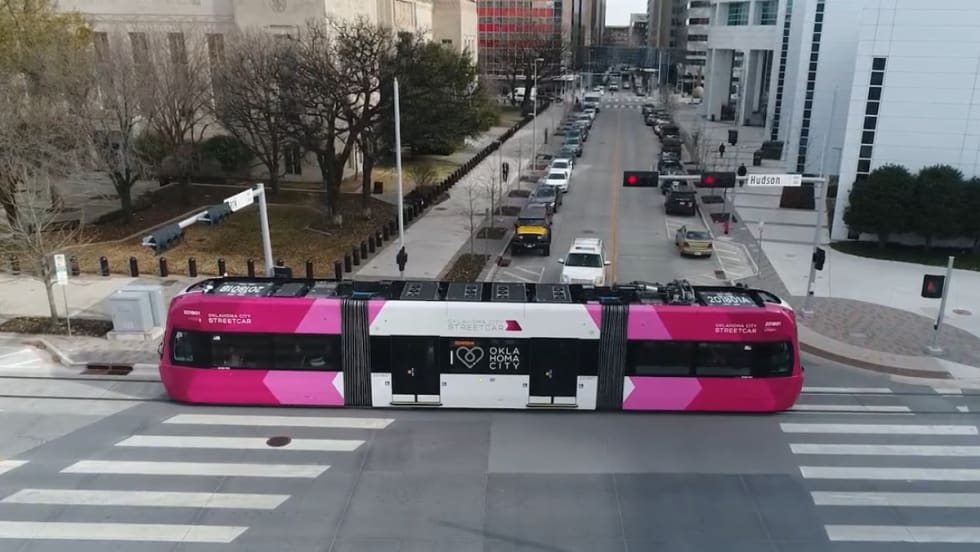
OKC Streetcar Makes Zero-Fare Service Permanent
Ridership increased an average of 71% compared with the same period a year earlier during the fare-free pilot.
Read More →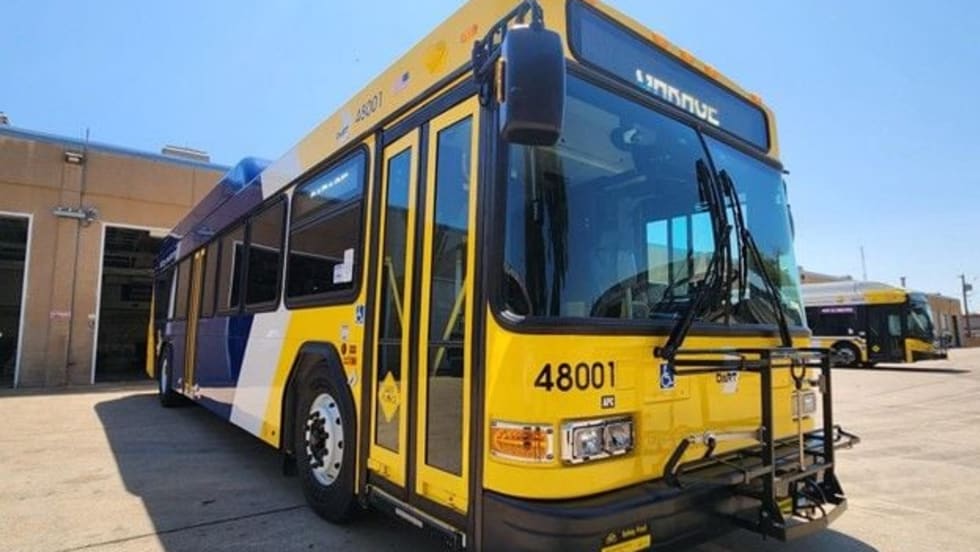
DART Customer Satisfaction Reaches Six-Year High
Overall satisfaction rose to 74.9%, while the agency’s Net Promoter Score reached a record 33.7.
Read More →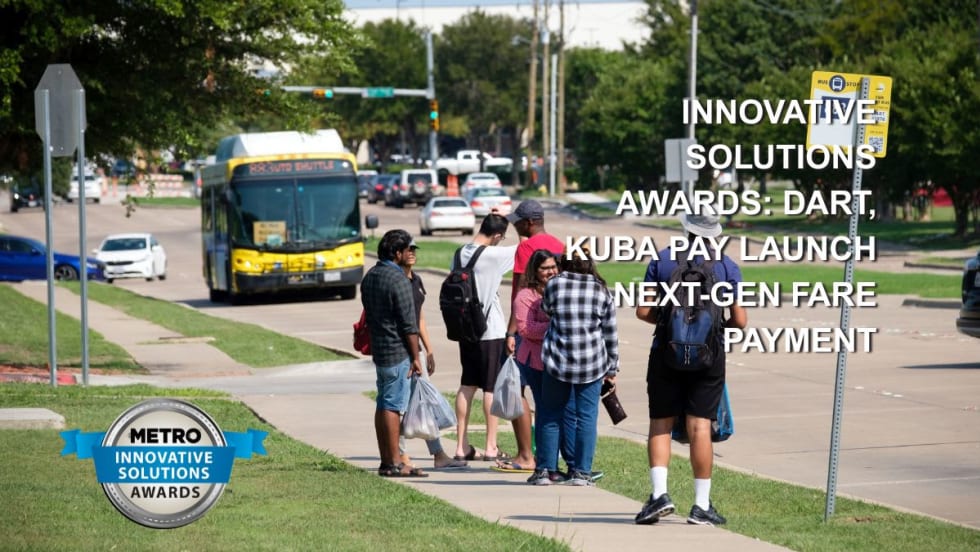
How DART's GoPass Is Redefining Regional Mobility
Serving 14 transit agencies, GoPass simplifies multimodal travel by allowing riders to plan, pay for, and manage an entire trip through one app.
Read More →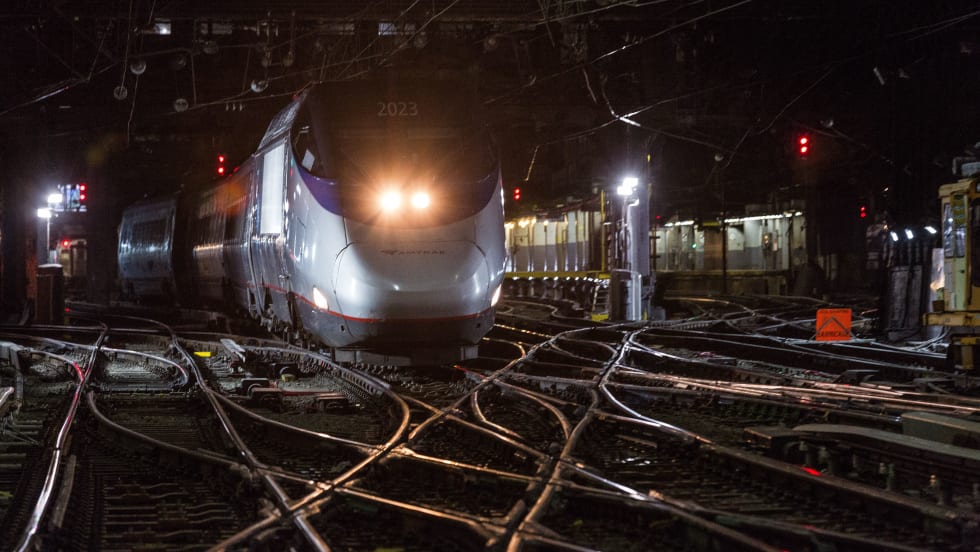
Amtrak Board Advances Plan to Restructure Organization, Seeks Public Input
The proposal, developed by Amtrak management and approved by the board for further consideration, is intended to modernize the organization's structure while improving accountability, operational efficiency, and customer service.
Read More →
Biz Briefs: STV teams with Amtrak, Motorcoach Operators Boost Fleet and Land Contracts, and More
From manufacturers and suppliers to transit agencies and motorcoach operators, these updates offer a snapshot of the projects, partnerships and business moves driving the industry forward.
Read More →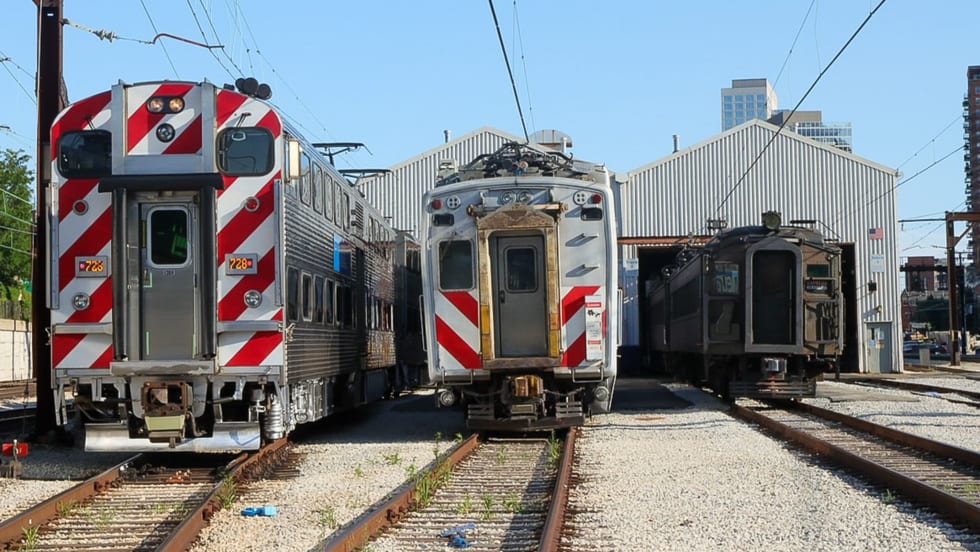
Metra Celebrates 100 Years of Electric Rail, Looks to the Future
The event was also a celebration of recent reforms to public transportation in the Chicago area, changes that could be as transformative in the future as the major civic achievement a century ago, said officials.
Read More →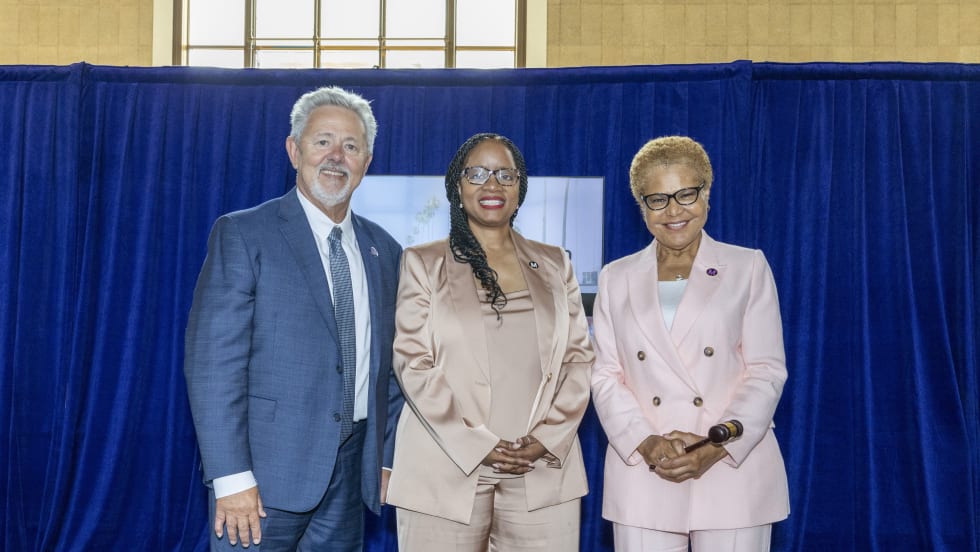
LA Metro Marks Banner Year, Sets Ambitious Goals for New Fiscal Year
Incoming LA Metro Board Chair and Los Angeles Mayor Karen Bass joined outgoing Board Chair Fernando Dutra and LA Metro CEO Stephanie Wiggins to review accomplishments from fiscal year 2026, which included the opening of new rail extensions, advancement of major transit projects, expanded safety programs, and new rider amenities.
Read More →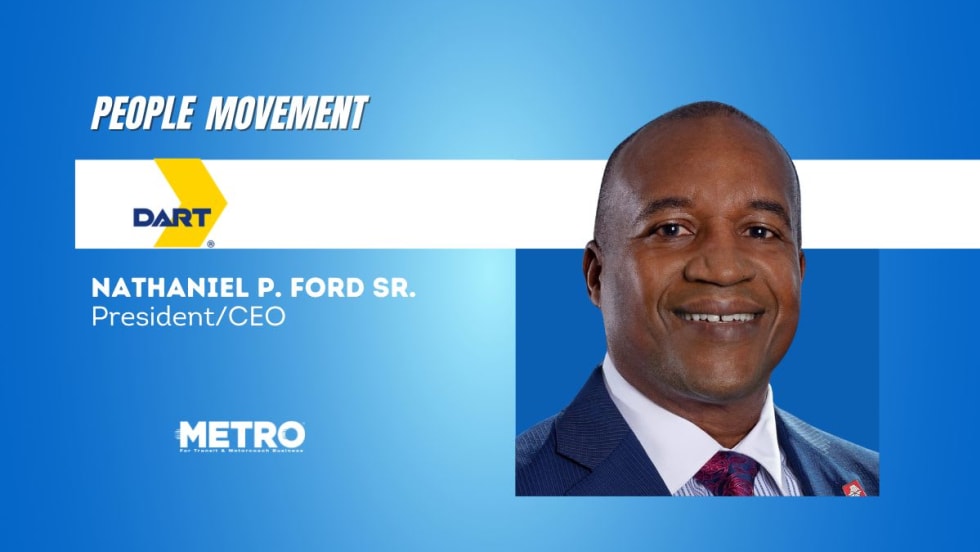
DART Taps Nathaniel P. Ford Sr. as Next President/CEO
Since 2012, Ford has served as the CEO of the Jacksonville Transportation Authority
Read More →