



Arizona’s NAIPTA Honored for New Route, Cost Efficiency
Ninety-five percent of NAIPTA’s fleet is comprised of hybrid-electric buses, supplied by Gillig.

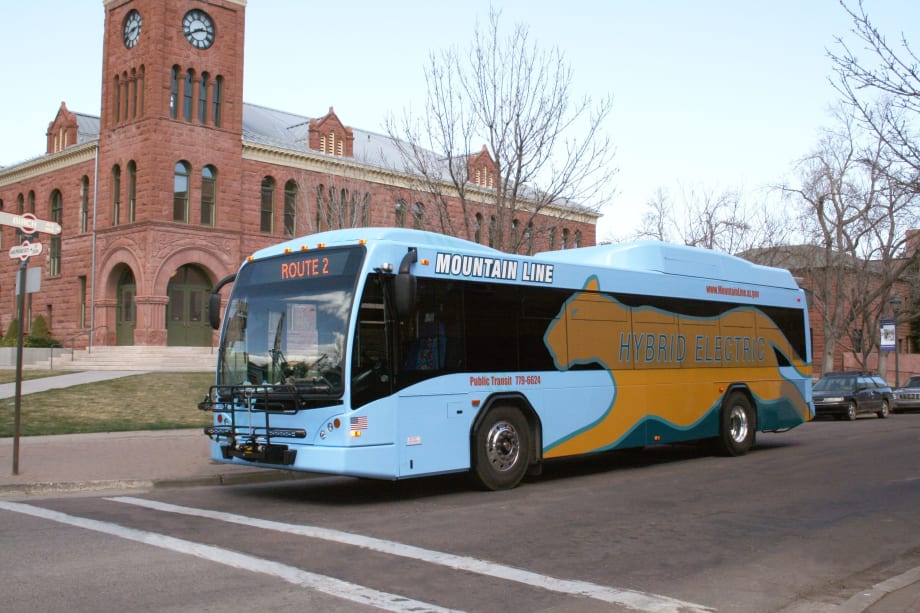

The Northern Arizona Intergovernmental Public Transportation Authority’s (NAIPTA) cost-efficiency efforts and investment in a new bus route to more effectively serve its community paid off with hefty ridership increases and won it APTA’s 2013 “Outstanding Public Transportation System Achievement Award.”
Over the past three years, NAIPTA’s ridership rose from 950,000 to 1.8 million, Jeff Meilbeck, GM, NAIPTA, says. The spike is a result of the transit system building a high-capacity transit route, Mountain Link, connecting Northern Arizona University to Flagstaff’s downtown business district and Woodlands Village, a popular shopping and residential area for students, at a cost of $6.4 million. NAIPTA launched the route in August 2011 and has seen tremendous ridership growth ever since.
From September 2011 through August 2012, there were 631,377 trips taken on Mountain Link. From September 2012 through August 2013, that number increased to 654,892 trips, Meilbeck says.
Meanwhile, the agency employed cost efficiencies that reduced the cost per passenger from $3.47 to $2.70 per trip. As a result, the agency was able to add service hours without needing to increase indirect and overhead costs.
The increase in riders was one of the biggest factors in NAIPTA’s cost savings, with combined cost control methods and increased ridership creating significant change in cost per passenger, Meilbeck explains.
The cost per passenger drop can also be attributed in part to a newer fleet that decreased maintenance costs. Additionally, 95% of NAIPTA’s fleet is comprised of hybrid-electric buses, supplied by Gillig.
NAIPTA also saved money by reducing employee hours, eliminating overtime and moving some maintenance functions in-house.
Meilbeck says community support has been integral to enhancing the transit system. In 2008, NAIPTA went to voters with five transit initiatives and each one passed at supermajority levels.
A survey conducted by R&R Partners in February 2013 is more evidence of that support. It gauged the sentiments toward public transit in communities across the state. Statewide, the positive score was 42%, but in Flagstaff that score was 88%, says Meilbeck.
More Bus

From Surviving to Thriving: Building Stronger Transportation Organizations
Bus Business Consultants founder Brian Dickson shares lessons on leadership, organizational health, and creating options for long-term success in a changing transportation industry.
Read More →
Finding the ‘Happy Medium’: Optimizing Maintenance Without Sacrificing Reliability
The key to maintenance optimization isn’t doing less work—it’s doing the right work at the right time on the right assets.
Read More →
LA Metro, City of West Hollywood, and Partners Advance Smarter Bus Lane Enforcement
The award-winning partnership combines AI-powered detection with human oversight to improve bus reliability, accessibility, and enforcement efficiency.
Read More →
PSTA Modernizes Workforce Management with Digital Bidding System
The award-winning Workforce Transit Modernization project replaced paper bidding with a transparent digital platform, cutting administrative effort while improving access for operators.
Read More →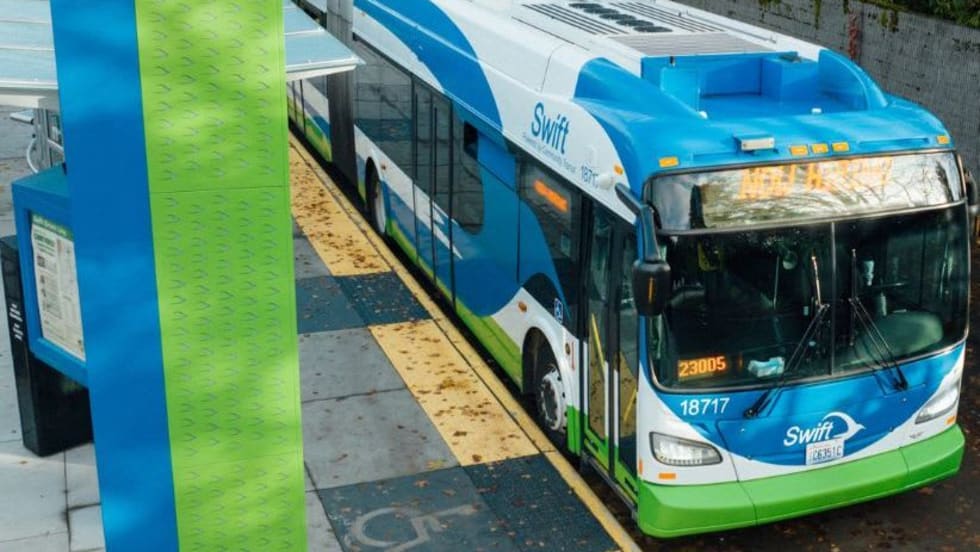
Washington's Community Transit Sets Six-Year Roadmap for Growth, Expansion
Approved TDP targets more bus service, new mobility options, Swift BRT expansion, and a potential Everett Transit annexation.
Read More →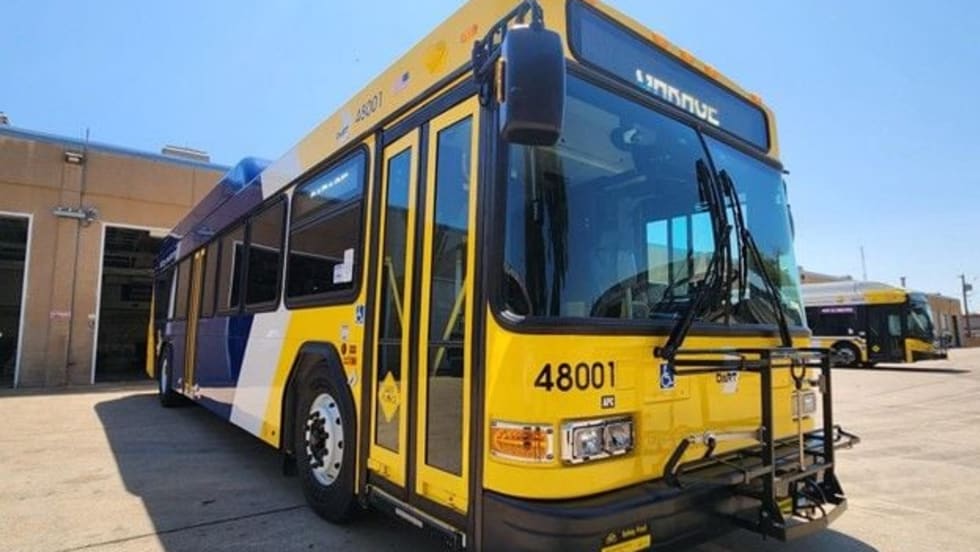
DART Customer Satisfaction Reaches Six-Year High
Overall satisfaction rose to 74.9%, while the agency’s Net Promoter Score reached a record 33.7.
Read More →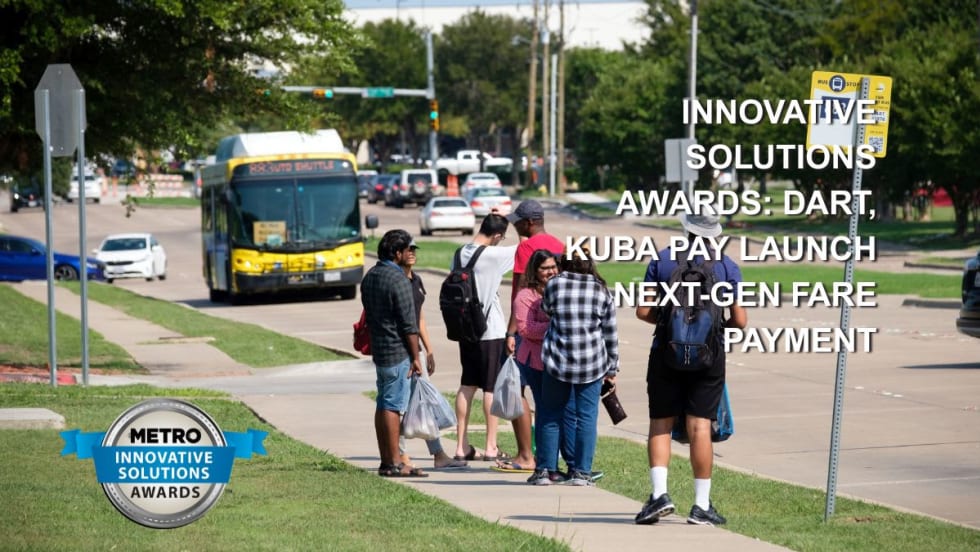
How DART's GoPass Is Redefining Regional Mobility
Serving 14 transit agencies, GoPass simplifies multimodal travel by allowing riders to plan, pay for, and manage an entire trip through one app.
Read More →
Biz Briefs: OCTA Taps Clean Energy for Hydrogen Station, Stadler to Supply Via Rail Vehicles, and More
From manufacturers and suppliers to transit agencies and motorcoach operators, these updates offer a snapshot of the projects, partnerships and business moves driving the industry forward.
Read More →
METRO Magazine Announces 2026 Innovative Solutions Awards Winners
Projects Recognized for Advancing Mobility Through Technology, Accessibility, Workforce Innovation, and Operational Excellence
Read More →
Biz Briefs: STV teams with Amtrak, Motorcoach Operators Boost Fleet and Land Contracts, and More
From manufacturers and suppliers to transit agencies and motorcoach operators, these updates offer a snapshot of the projects, partnerships and business moves driving the industry forward.
Read More →