



Ask the Expert - Judi Bonilla, Travel Trainer
As a gerontologist, Bonilla, who works for San Diego-based We Get Around!, saw early on the benefits travel training can offer older adults.

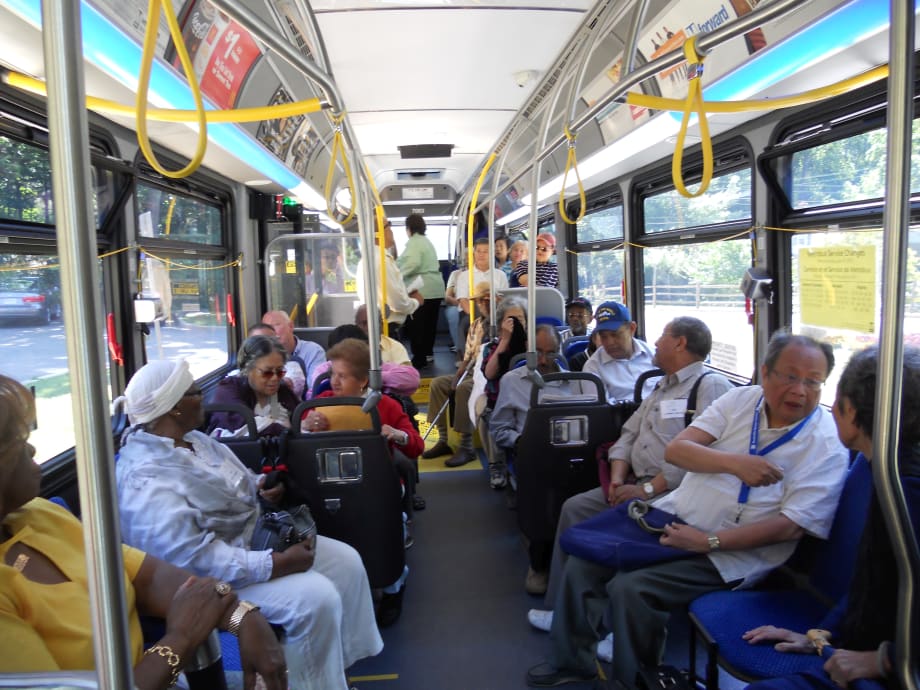
Jewish Council for the Aging (Rockville, MD)

Jewish Council for the Aging (Rockville, MD)
(This article was originally published by Easter Seals Project ACTION.)
Ask the Expert – Judi Bonilla, Travel Trainer at San Diego-based We Get Around!
Travel trainer and gerontologist, Judi Bonilla shares her insights on travel training and why it is so important for older adults.
1. Tell us about your travel training program.
We Get Around! is a volunteer organization with a vision to improve the quality of life for San Diego's senior community. We’ve created a small group travel training program led by an experienced travel trainer that combines travel instruction, brain health information, and low-impact fitness.
The class is taught in the field using fixed-route buses and trolleys. Local landmarks are incorporated into class destinations, providing students exposure to a variety of travel patterns and community diversity. The class begins with a trip briefing, learning topic, and handouts so students can recreate the trip independently. Lessons include purchasing tickets, using accessibility services, personal safety, transit etiquette, and trip planning. The focus is to provide an environment where an adult learner can develop and practice the skills needed to travel independently.
RELATED:Most baby boomers to face poor mobility options
We Get Around! is a volunteer-led program and receives no funding from city, state or local public transportation entities.
2. What got you interested in this line of work?
I am a gerontologist and early on saw the benefits travel training can offer older adults. In the field of aging, our work is focused on the principles of successful aging and aging in place. Transportation is a critical issue for older adults and their families. This program fills both a social need and gap in the public transit infrastructure for the residents of San Diego. Prior to We Get Around!, there was no travel training program serving the San Diego area.
3. Why do you believe travel training for seniors is so important?
Travel training is a great tool to use as older adults begin to decrease how far they drive, regulate where they drive, and when they drive. Having the “What Happens When I Can No Longer Drive” and the “Giving Up The Car Keys” conversations are tough for families and health care providers. Travel training is an excellent solution when exploring alternatives to driving. Research has shown that social interaction offers older adults many benefits. Staying socially active and maintaining interpersonal relationships can help maintain good physical and emotional health and cognitive function. One report found that men and women ages 60 to 80 reported that taking a short walk just three times a week increased the size of brain regions linked to planning and memory over the course of a year. Linking the use of public transportation to better health outcomes is another way elders can benefit from travel training
4. How do you address caregiver or family concerns when working with older adults?
Students of the program are self-referred and run the range of physical abilities. Some use mobility aids while other have complete mobility. At the first class orientation, students and caregivers learn how classes are researched, planned, and tested. We welcome a family member or caregiver to attend the first class with the students. Often the caregiver or adult child gets as much from the class as the student! In addition, we post class trips to YouTube and often tweet live on our trips.
5. How do health and wellness tie into public transportation for the population you work with?
This is one of the most exciting aspects of travel training. I recently presented a poster at the 2014 American Society on Aging Conference. The poster was titled Shifting the Image of Public Transportation from Have To...To Want To! With over 10,000 Americans turning 65 every day the need to improve health at every age is increasingly important. Recently, the Alzheimer’s Association included in its recommendations to stay socially connected, and exercise both body and mind. Travel training makes a powerful connection to all three!
More Paratransit
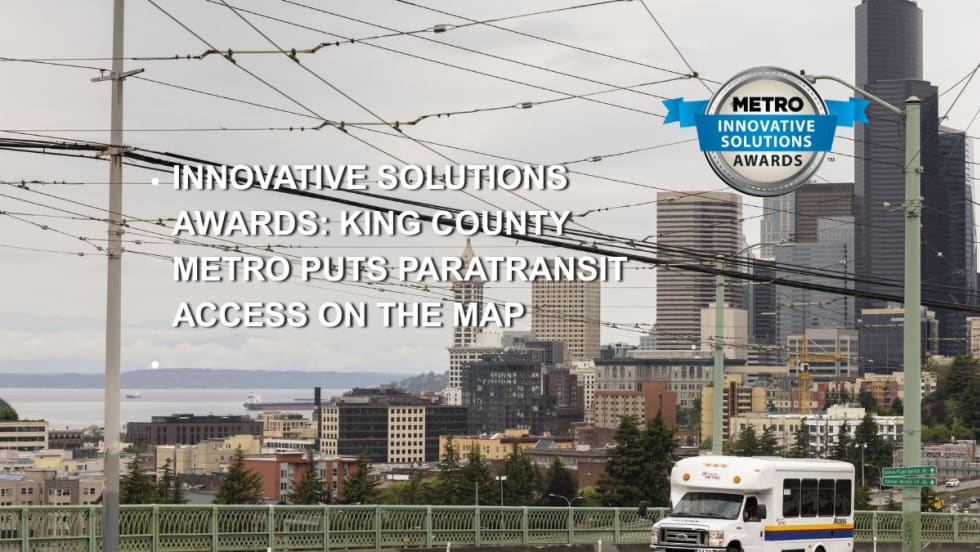
King County Metro Makes ADA Paratransit Easier to Navigate
METRO's Innovative Solutions Award winner replaces complex service-area descriptions with an accessible, interactive map that puts paratransit information directly in customers’ hands.
Read More →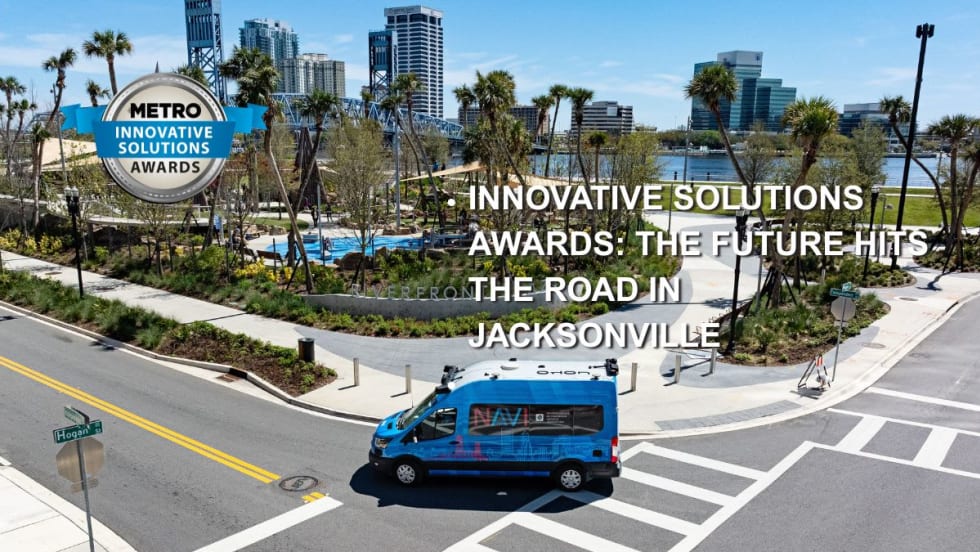
Jacksonville’s NAVI Project Charts a New Course for Autonomous Public Transportation
Through its NAVI program, JTA is showing how autonomous vehicles, intelligent infrastructure, and coordinated operations can work together to deliver everyday public transportation.
Read More →
Driving Smarter Paratransit
John Hanlon shares how AlphaRoute is leveraging AI-powered technology to help paratransit providers optimize operations, support frontline staff, and enhance the rider experience.
Read More →
METRO Magazine Announces 2026 Innovative Solutions Awards Winners
Projects Recognized for Advancing Mobility Through Technology, Accessibility, Workforce Innovation, and Operational Excellence
Read More →
Biz Briefs: STV teams with Amtrak, Motorcoach Operators Boost Fleet and Land Contracts, and More
From manufacturers and suppliers to transit agencies and motorcoach operators, these updates offer a snapshot of the projects, partnerships and business moves driving the industry forward.
Read More →
Biz Briefs: Masabi Teams with St. Louis Metro and More
In METRO's latest installment, we take a look at recent news from Transdev, Hitachi, and more partnerships making headlines across the transportation sector.
Read More →
New York MTA Leverages Zoning Program to Advance Station Accessibility
Accessibility enhancements at Nevins St Station will be financed through a development agreement tied to the MTA's Zoning for Accessibility initiative.
Read More →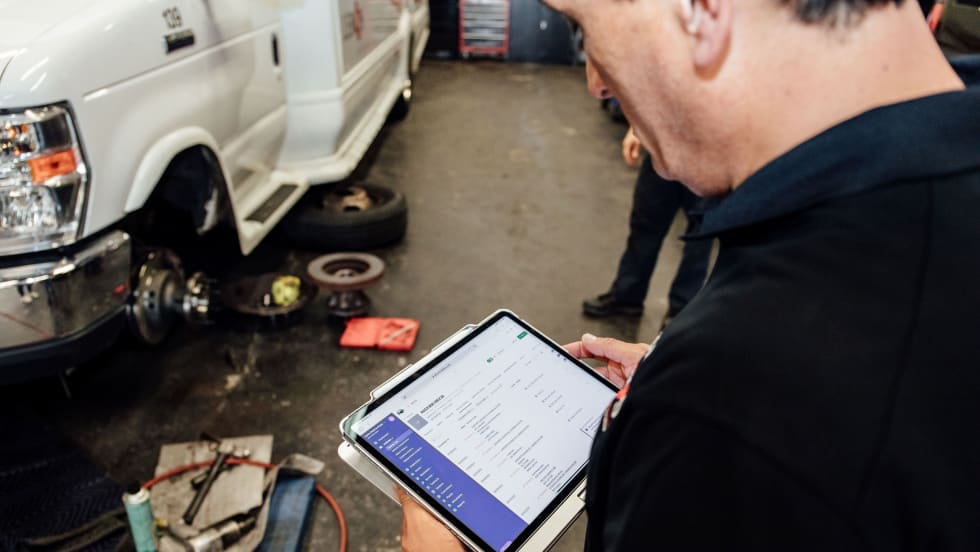
Reinventing Fleet Maintenance with Real-time Visibility and AI
Transit leaders need to know what needs fixing, where to look, who is responsible, when work is completed, and what it costs without having to chase information across disconnected systems.
Read More →
SamTrans Sets Priorities for Potential Connect Bay Area Revenue
The board-approved framework allocates future funding to maintaining service, rider improvements, equity initiatives, and infrastructure repairs.
Read More →
Chicago's NITA Act Moves Into Next Phase as Service Improvements Begin
Rider-focused improvements will begin rolling out across the system immediately as CTA, Metra, and Pace increase service this summer in the six-county region.
Read More →