



Atlanta Public Transport Between Law’s Rock, CSX’s Hard Place
The Atlanta region is caught between the mandates of EPA regulations and the unwillingness of a national freight railroad to grant them access, making any plan to improve the region’s public transport more expensive than the billions it expects to spend anyway.

The Atlanta region is caught between the mandates of EPA regulations and the unwillingness of a national freight railroad to grant them access, making any plan to improve the region’s public transport more expensive than the billions it expects to spend anyway. The proposed new regional transportation plan (RTP), to be run by the newly created Georgia Regional Transportation Authority, was to cost $36 billion over the next 25 years. However, the proposed rail, high occupancy vehicle lanes, bike lanes and bus lines that comprise the area’s revised strategy is mainly designed to comply with federal air quality mandates, said officials of the Atlanta Regional Commission (ARC), the metropolitan planning organization there. "We are basically hands tied on what we can do because of the air quality issue," said Henry County Commission Chairman Jim Joyner in an interview with the Atlanta Constitution. "The idea behind it is to get as many people as possible into alternative transportation." In fact, the U.S. Environmental Protection Agency has frozen federal highway funds for new road construction until the Georgia officials come up with an acceptable state implementation plan to bring the region’s air quality into compliance with federal emissions standards. However, officials of CSX Transportation Corp., the Jacksonville, Fla.-based freight railroad, have indicated they are unwilling to make available a key right-of-way needed to build the Atlanta-to-Athens commuter rail line, an important part of the proposed and current RTP in Atlanta. This means that more expensive options will have to be considered, including giving CSX expanded capacity to carry freight beyond the original proposal as well as building part of the line in a nearby freeway median. It is unclear how much these alternatives will drive up the cost, and how much delay they will add to the timetable; however, officials agreed that if an agreement cannot be included to use the existing right-of-way it would likely alter the milestones and cost estimated in the RTP. The document slated the line for a revenue opening in 2004. Once the RTP is approved after public comment, the ARC would begin adding 220 miles of HOV lanes, doubling the number of bus lines and adding 190 miles of light and commuter rail line throughout the region. The plan also calls for 2,725 miles of bicycle and pedestrian paths, the use of alternative fuel vehicles and land use initiatives that would support the building of communities where residents can shop and work within walking distance of where they live. To fund all the transit projects found in the RTP, the region will need to "flex" $2.6 billion of Federal Highway Administration funds. The short-term transportation improvement plan covering the first three years sets the tone for the next 25 years by flexing more than $178 million, said an ARC statement. Key TIP projects include more than $20 million for regional bus purchases and more than $178 million of flexed funds for commuter rail projects. Also, the Livable Centers Initiative, which encourages smart-growth and transit-oriented development, will receive more than $23 million. Transit Facilities comprise 55% of RTP’s total, including:
$11.1 billion for passenger rail (heavy rail, light rail and commuter rail)
380% increase in passenger rail mileage, with 190 new rail miles
A light rail line between Arts Center Station and Town Center Mall (the first light rail line in the region)
MARTA extensions to Windward Parkway, Hapeville and Six Flags
$6.7 billion for new and expanded regional bus service, representing a 69% increase in miles of bus service.
More Management
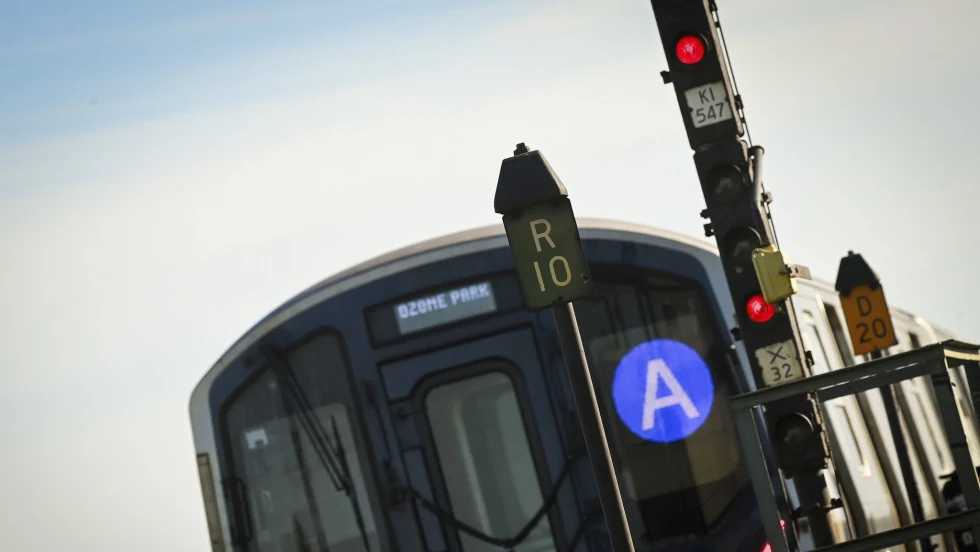
New York MTA Launches Historic $1.9B Signal, Track Modernization Project
Funded in part by congestion pricing revenue, the project will replace nearly century-old signals along the A and C lines in Brooklyn and Queens.
Read More →
Brian Dickson on Building Stronger, More Resilient Transportation Organizations
Bus Business Consultants Founder Brian Dickson discusses the leadership principles, operational discipline, and strategic planning that separate transportation companies positioned for long-term success from those stuck in survival mode.
Read More →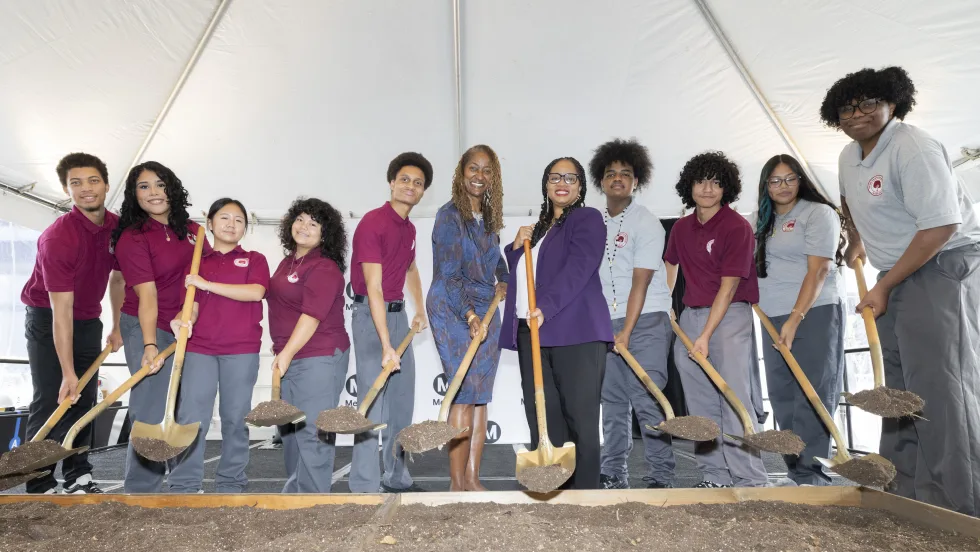
LA Metro Breaks Ground on Vermont BRT Project
The 12.4-mile corridor is projected to serve 66,200 daily riders, reduce travel times by up to 24%, and create the nation's busiest bus rapid transit corridor.
Read More →
Building Stronger Leaders, More Resilient Transit Teams
Dr. Carol Parker Walsh discusses leadership development, employee retention, workplace culture, and preparing transit’s workforce for AI and automation.
Read More →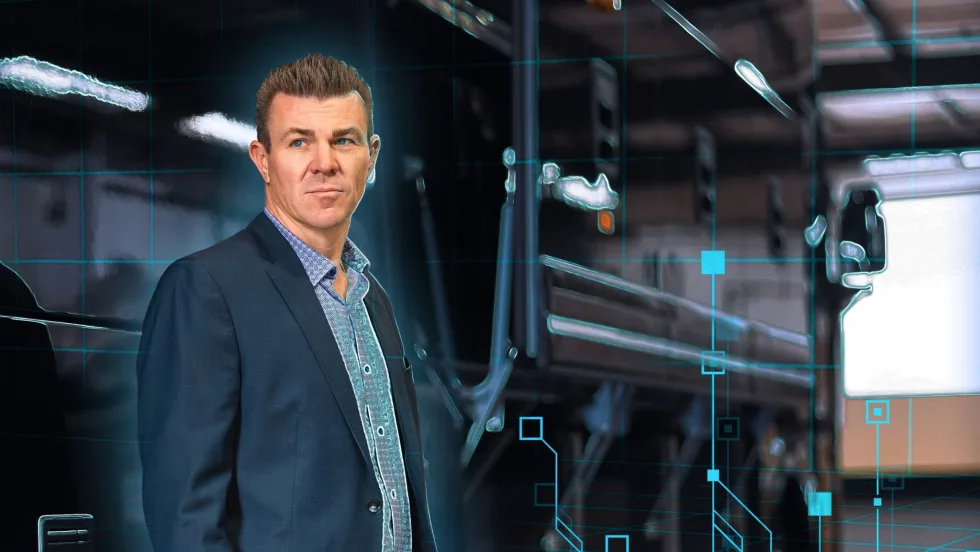
Roman Cornell on ABC Companies’ Evolution and the Future of Passenger Transportation
The company’s CEO discusses carrying forward a third-generation family legacy, ABC’s continued evolution in passenger transportation, support for increasingly complex fleets, and how technology and continued investment could help operators improve uptime.
Read More →
CATS Launches West Charlotte Microtransit Zone, Expands Transit Services
The new microtransit zone connects residents to key destinations as Charlotte Area Transit System rolls out the first phase of its 2055 Transit System Plan.
Read More →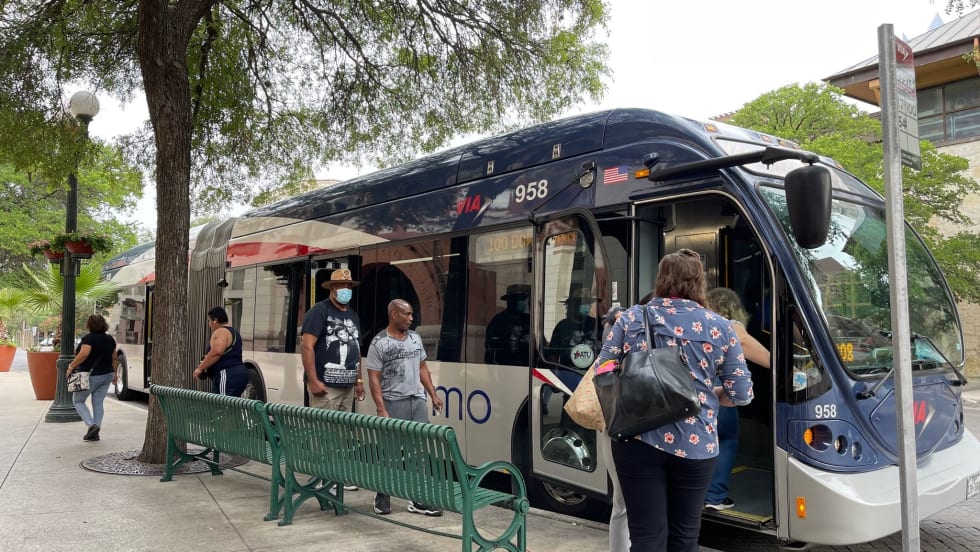
VIA Bus Ridership Grows 10.1% Through August 2026
San Antonio's VIA Metropolitan Transit reported the highest bus ridership growth among major Texas transit systems. Federal Transit Administration data ranked it second among the nation's 50 largest transit systems.
Read More →
CSA Group Releases Climate Resilience Standard for Transit, Passenger Rail
Developed with support from the Standards Council of Canada, CSA D700 guides assessing climate-related risks and planning adaptation measures for transit and passenger rail systems.
Read More →
ETA CEO John Maglio on Transit Technology, Innovation, and Building Agency Trust
ETA founder and CEO John Maglio explores the evolution of transit technology, the importance of reliable systems, and how stronger partnerships can help agencies improve operations and the passenger experience.
Read More →
COTA Launches First Customer Experience Action Plan to Improve Transit Service
The new plan outlines improvements to service reliability, accessibility, communication, and the overall rider experience across Central Ohio's transit system.
Read More →