



Austin-San Antonio rail project seeks fed approval
District has submitted an application to receive a portion of the $8 billion in federal stimulus funding for rail. The Obama administration identified Texas’ I-35 rail corridor as a priority area for future passenger rail.

The Lone Star Rail District (LSRD)— formerly the Austin-San Antonio Commuter Rail District — unveiled the next series of steps toward bringing LSTAR regional passenger rail service linking the Austin and San Antonio, Texas and metro areas, which includes seeking federal approval.
Beginning early 2010, dozens of public meetings will be held throughout the I-35 corridor to study the environmental impacts of the rail system and explore potential locations for up to 16 proposed stations from Georgetown to South San Antonio, according to LSRD officials.
In 2009, LSRD, an independent public agency created to bring regional passenger rail service to the Austin-San Antonio corridor, met several milestones that have built momentum for a regional passenger rail system:
• Legislative funding: The legislature allocated $8.7 million specifically for the regional rail system between Georgetown and San Antonio. This funding will be used for the preliminary engineering and environmental studies.
• Rail relocation funding: The 2009 Texas Legislature appropriated $182 million to the Texas Rail Relocation and Improvement Fund — the first funding since voters approved the fund four years ago. The money is intended to help move freight traffic out of urban areas.
• Union Pacific agreement: The LSRD reached an agreement with Union Pacific (UP) to study the feasibility of moving through-freight service to a new line to free up the tracks for passenger rail.
• Federal funding: LSRD submitted an application to receive a portion of the $8 billion in federal stimulus funding for rail. The Obama administration identified Texas’ I-35 rail corridor as a priority area for future passenger rail.
• Market research: LRSD launched an extensive market research program to gauge customer interest and perceptions of regional rail. At the conclusion of the market research, the agency officially changed its name to the Lone Star Rail District and adopted the new LSTAR branding to better reflect its mission: to offer Texans independence from the status quo.
The next step is for the LSRD to secure federal approval for the project. The Preliminary Engineering and Environmental Impact Study (PE/EIS) will launch before the end of the year and will include extensive public outreach throughout the I-35 corridor to incorporate input from citizens and community organizations into the final report that will be submitted to the federal government. The PE/EIS will also explore the specific station locations for the LSTAR service.
The 16 proposed stops currently include stations serving Georgetown, Round Rock, McNeil Junction, Braker/Mopac (at the Domain), 35th/Mopac (near Camp Mabry), Downtown Austin (near Seaholm), Slaughter Lane, Buda/Kyle and San Marcos.
“From the perspective of our students, faculty and staff, this corridor is one single region,” said Dr. Denise Trauth, president of Texas State University, with campuses in both San Marcos and Round Rock. “We have faculty coming from Georgetown and from Boerne and up to 10,000 students commuting up and down this corridor. Having rail gives them a safe and predictable travel option and will help shape the choices they make about where to work and live.”
The District is working with UP to identify and implement the right funding mechanisms to relocate freight rail. UP currently owns and uses the rail line adjacent to I-35. Lone Star Rail District is seeking federal funding to conduct studies for alternative freight rail alignments that would move freight traffic away from urban areas.
At the state level, lawmakers are expected to consider permanent, dedicated funding sources for the Texas Rail Relocation and Improvement Fund in the 2011
session. Locally, Lone Star Rail District is working with its member jurisdictions to identify appropriate funding options, including tax-increment financing districts in new station areas as well as traditional transportation funding sources.
The comprehensive market research program launched by LSRD in 2009 analyzed the broad spectrum of opinions and perceptions of the nearly 4 million potential customers throughout the I-35 corridor. The research found that many travelers are frustrated by the lack of transportation options and would embrace a passenger rail service.
Components of the research program included:
• comprehensive review of the previous five years’ worth of regional transportation-related opinion research;
• benchmarking analysis of branding and communications from five established regional rail systems across the U.S.;
• in-depth interviews with more than three dozen key leaders and stakeholders along the service corridor;
• 11 focus groups from Georgetown to south San Antonio, including special-purpose groups for students, seniors, and Spanish speakers.
More Rail
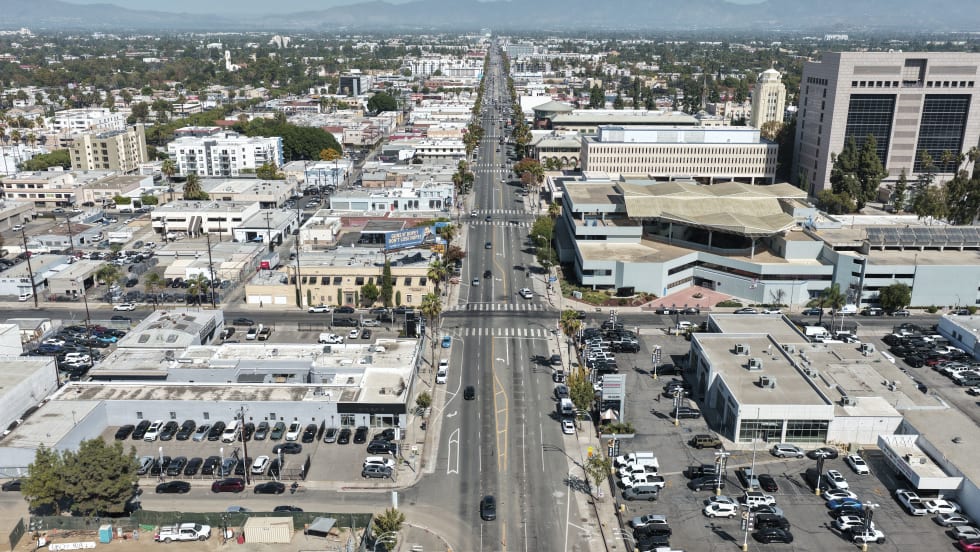
LA Metro Breaks Ground on East San Fernando Valley Light Rail Project
The 6.7-mile line will add 11 stations along Van Nuys Boulevard, expand access to jobs and regional transit connections, and support Metro’s broader efforts to improve mobility as rail ridership grows.
Read More →
CSA Group Releases Climate Resilience Standard for Transit, Passenger Rail
Developed with support from the Standards Council of Canada, CSA D700 guides assessing climate-related risks and planning adaptation measures for transit and passenger rail systems.
Read More →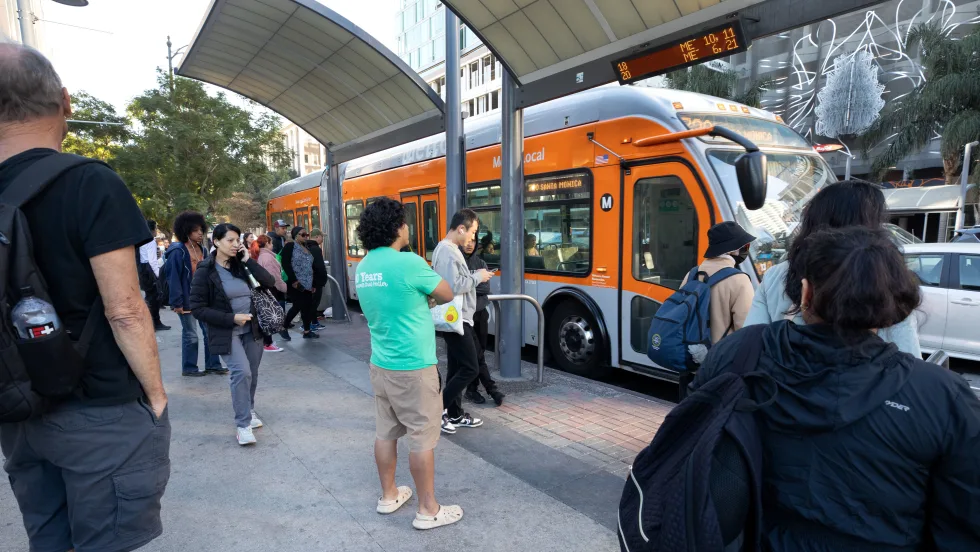
LA Metro September Ridership Climbs 3.9%, Led by Rail Growth
The agency recorded more than 27.2 million boardings, with rail ridership increasing 12.4% year over year and the D Line posting the largest gains.
Read More →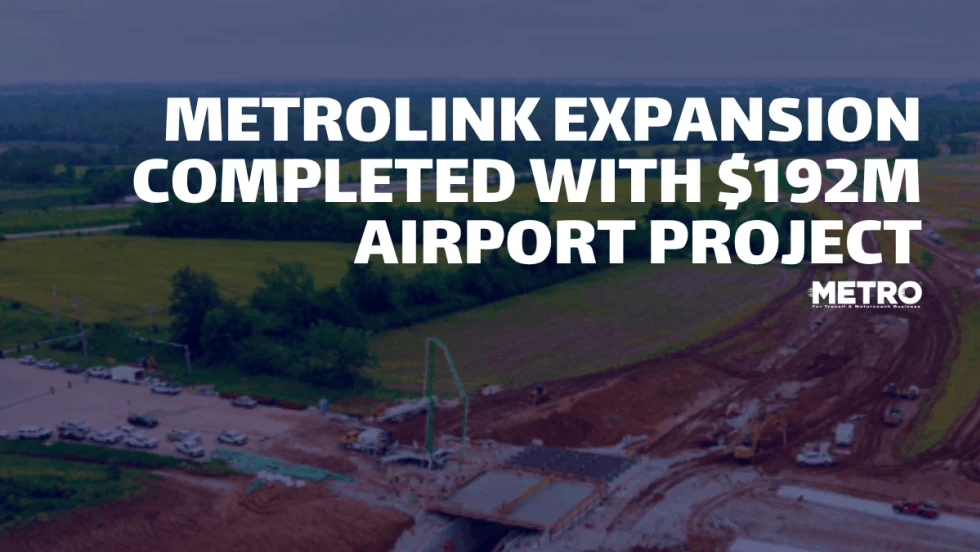
First Full MetroLink Rail Expansion Completed in 20 Years with $192M Airport Project
The project links two St. Louis-area airports by light rail while adding roadway and bike trail connections to improve regional access and mobility.
Read More →
Utilimarc Launches SmartReplace to Optimize Fleet Replacement Decisions
AI-powered SmartReplace helps fleets prioritize vehicle replacements, model budget scenarios, and build more defensible long-term strategies.
Read More →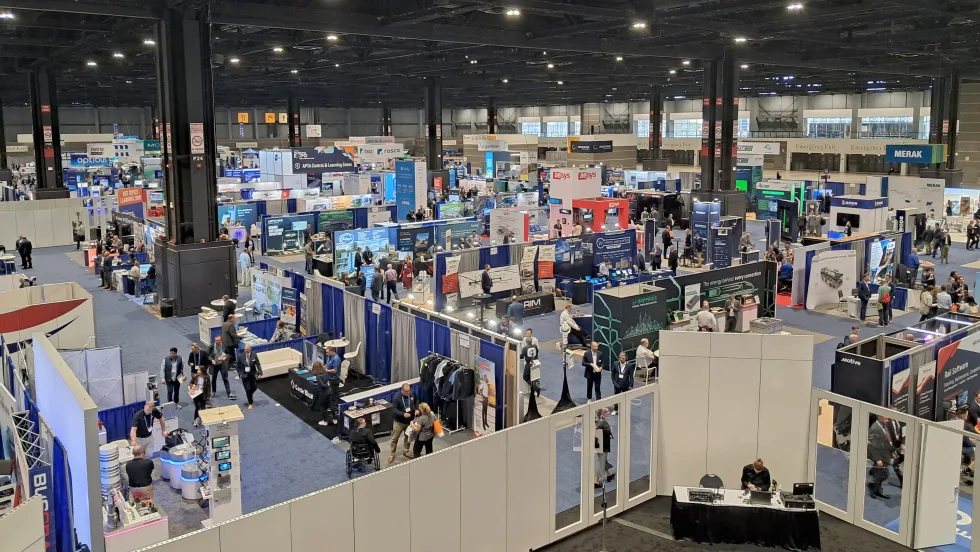
Scenes from APTA TRANSform & EXPO 2026
Transit leaders, manufacturers, and industry professionals gathered in Chicago to explore new technologies, share ideas, and discuss the future of public transportation.
Read More →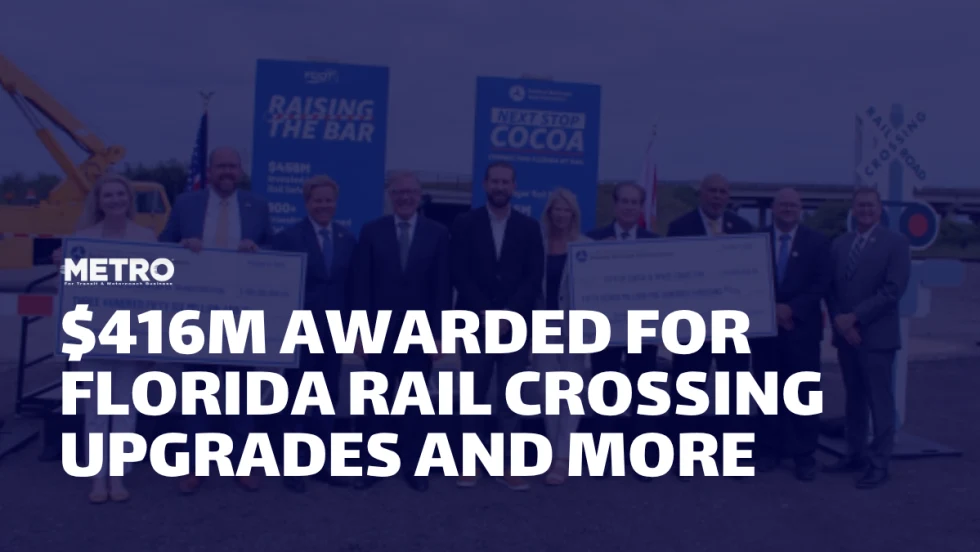
USDOT Awards $416 Million for Florida Rail Crossing Safety Upgrades, New Brightline Station
The projects aim to reduce risks for motorists and pedestrians at rail crossings while expanding passenger rail access along Florida’s Space Coast.
Read More →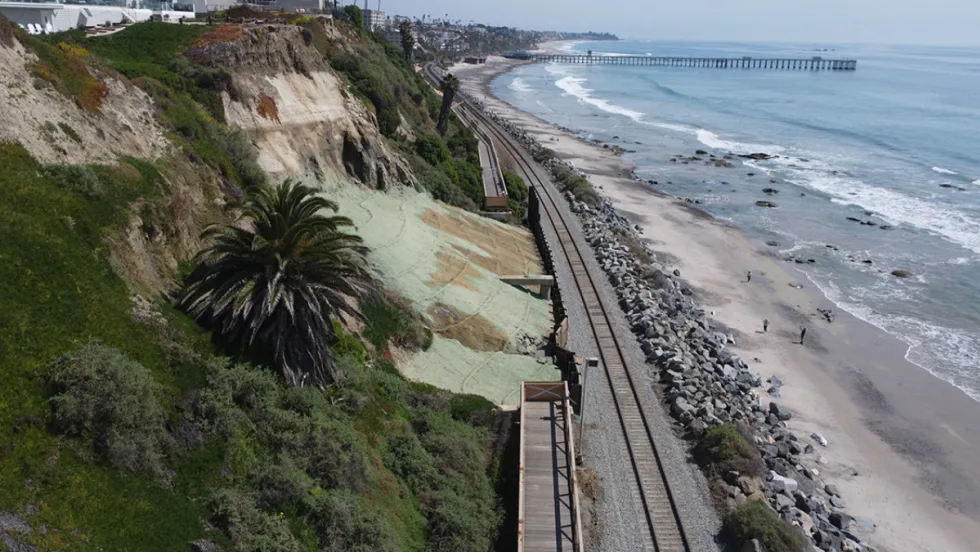
OCTA Declares Emergency to Protect Rail Corridor From Coastal Erosion
The California agency is accelerating shoreline protection and plans to place approximately 690,000 cubic yards of sand along the San Clemente coast to protect a key passenger and freight rail link.
Read More →
More Than a Summer Job: Building the Next Generation of Transit Talent
The Delaware River Port Authority and PATCO have transformed their internship program into a hands-on professional development experience that introduces students to the breadth of transportation careers — and creates a pipeline for future employees.
Read More →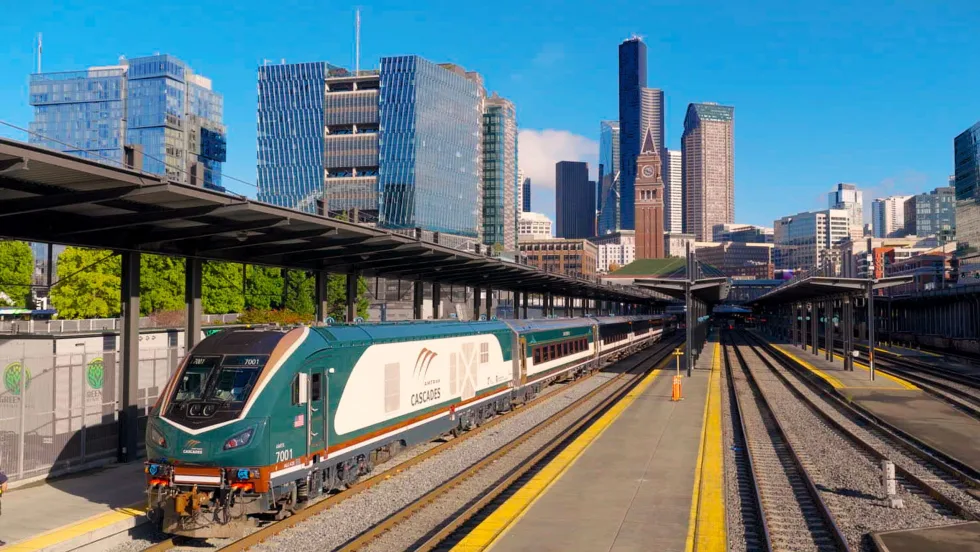
Airo Trains Make Their Amtrak Cascades Debut in the Pacific Northwest
Effective immediately, two cutting-edge Airo trainsets will join the Amtrak Cascades route, operating four daily trips between Vancouver, B.C., Seattle, Portland, and Eugene, Oregon, marking the first introduction of Airo trains into passenger service anywhere in the country.
Read More →