



BART fined $200K in track workers’ deaths
Cal/OSHA cited the rail agency for "willful serious safety violations" over an Oct. 19 incident in which two track workers were killed by a train that officials say was operated by an inexperienced driver with inadequate supervision.

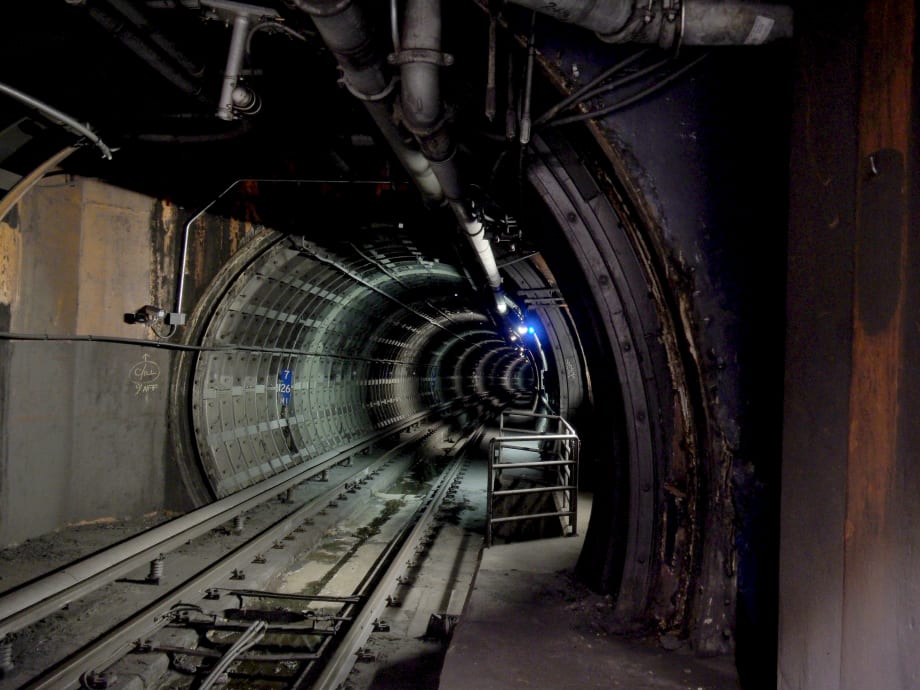
Eric Fischer via Wikimedia Commons
Eric Fischer via Wikimedia Commons
SAN FRANCISCO — The AP reported that the California Division of Occupational Safety and Health (Cal/OSHA) fined Bay Area Rapid Transit District (BART) $210,000 over the deaths of two track workers who were killed by a train on Oct. 19 that officials said was operated by an inexperienced driver with inadequate supervision.
Cal/OSHA officials told the AP that a high-ranking manager who was supposed to be instructing the driver of the fast-moving train was not in the cab with the trainee when the incident occurred.
Cal/OSHA cited the rail agency for "willful serious safety violations" because the manager "was not located in a position to closely view the trainee's actions and observe the track" before the train hit Christopher Sheppard, a BART engineer, and Laurence Daniels, a rail consultant.
The transit system has since changed its rules. It now requires trains to slow down, stop or change course as they approach track workers and has implemented new communication protocols. For the full story, click here.
More Management
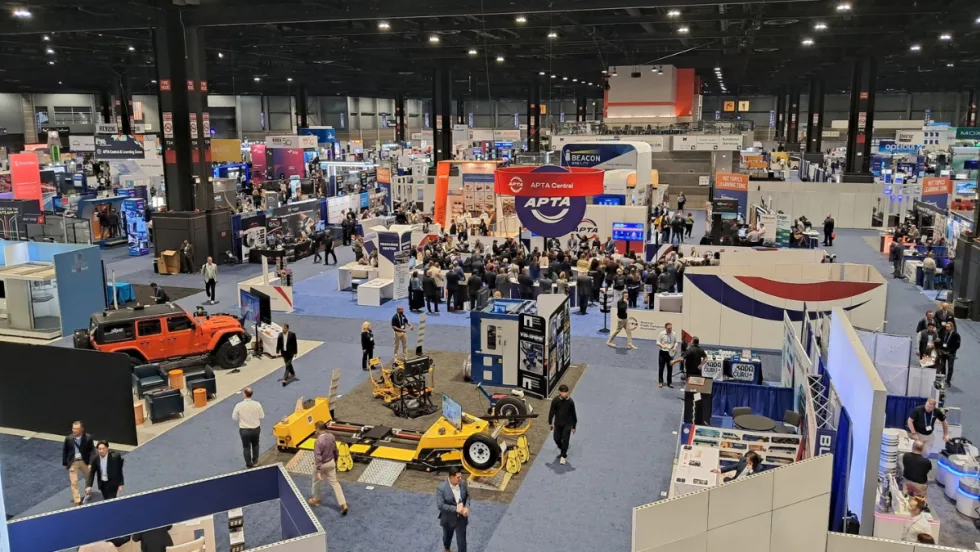
APTA 2026 TRANSform & EXPO Kicks Off in Chicago
After 45 years, APTA returns to Chicago with a focus on next-generation fleets, AI, connected transit networks, and the funding strategies shaping public transportation’s future.
Read More →
New York MTA Warns Federal Tariffs Could Add $1 Billion to Rolling Stock Costs
The agency said tariffs on specialized imported components could reduce the purchasing power of its $23 billion investment in new subway cars, railcars, and buses.
Read More →
From the Show Floor: What’s Happening at APTA TRANSform & EXPO 2026
Follow the latest product launches, partnerships, technology updates, and transit industry announcements coming out of APTA TRANSform & EXPO in Chicago.
Read More →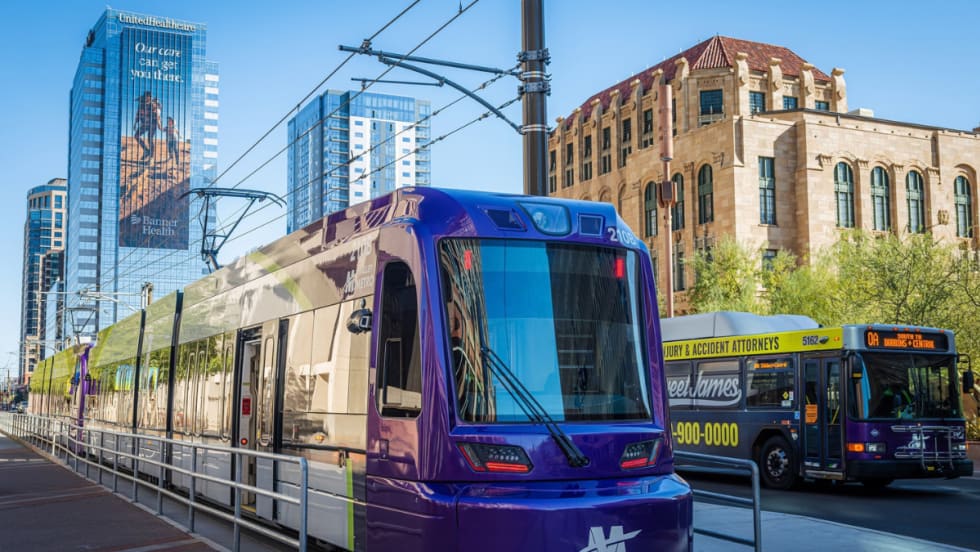
How Valley Metro Is Balancing Transit Growth With the Rider Experience
The APTA award-winning agency is pairing rapid system expansion with investments in workforce, safety, technology, and the fundamentals of transit service.
Read More →
Bus Tech Talk: Keeping Transit Technicians Ahead of the Technology Curve
In this episode of Bus Tech Talk, Complete Coach Works’ Business Development Manager Mark Hollenbeck and METRO’s Executive Editor Alex Roman sit down with Obed Mejia, Senior Technical Trainer for Bus Maintenance, at LA Metro to discuss how rapidly evolving bus technology is changing the maintenance shop — and the skills technicians need to keep pace.
Read More →
Michael Schneider Joins Paslay Group to Expand Transportation Practice
The longtime transportation executive will help Paslay Group grow its advisory and program management work across transit, highway, and other infrastructure sectors.
Read More →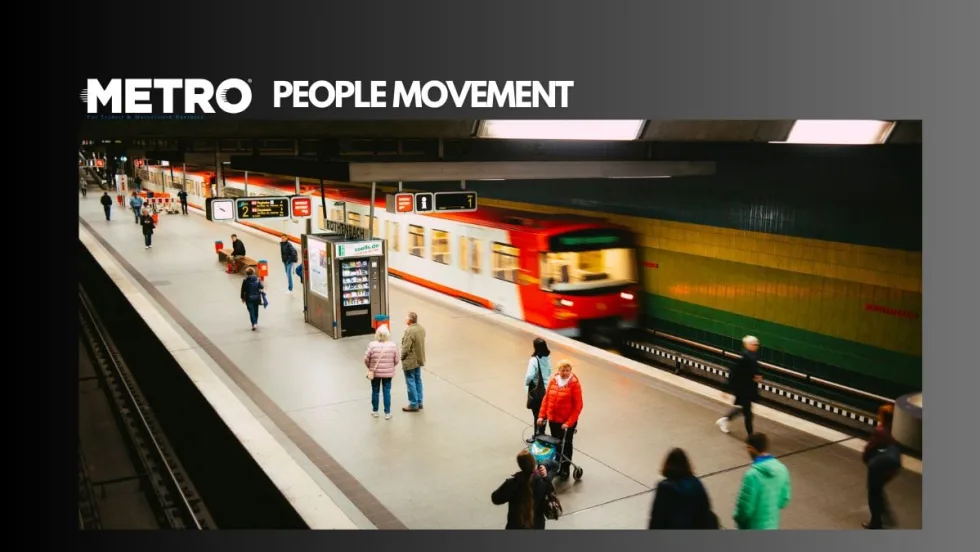
People Movement: Connectpoint Expands Leadership Team, Stadler Names New Group CEO, and More
In this edition, we also spotlight recent personnel moves at Burns, UZURV, and more, highlighting the people taking on new roles across the transportation industry.
Read More →
More Than a Summer Job: Building the Next Generation of Transit Talent
The Delaware River Port Authority and PATCO have transformed their internship program into a hands-on professional development experience that introduces students to the breadth of transportation careers — and creates a pipeline for future employees.
Read More →
LA Metro Board Awards 220 Battery-Electric Bus Contract to ENC
The contract, which is the largest base award of battery-electric buses by a U.S. transit agency, will be built in Southern California, sustaining good jobs as LA prepares to welcome the world in 2028
Read More →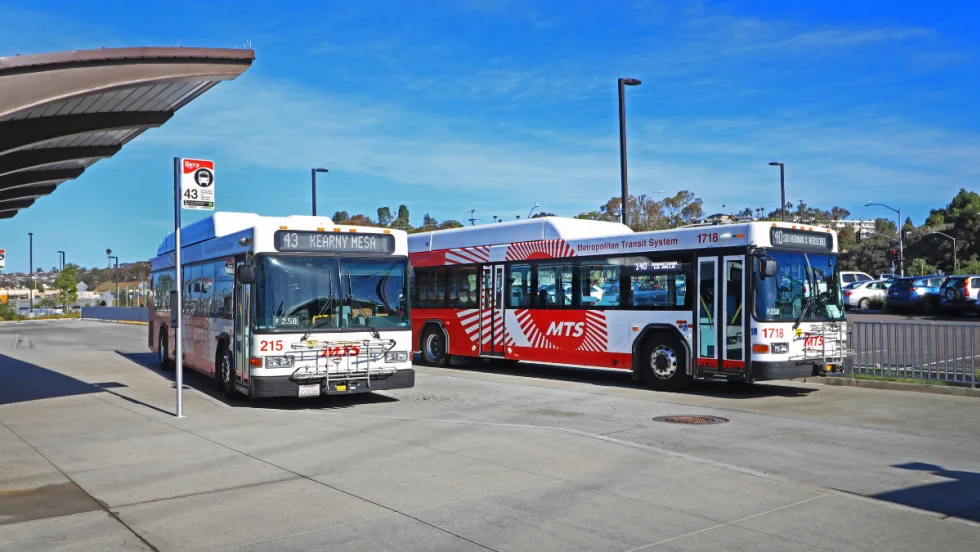
What’s Behind San Diego MTS’s Award-Winning Transit Strategy
Named one of APTA’s 2026 Outstanding Public Transportation Systems with 50 million or more annual passenger trips, California’s San Diego Metropolitan Transit System points to gains in ridership, safety, technology, and reliability as foundations of its success.
Read More →