



BART, unions reach tentative 4-year agreement
BART is working to eliminate an estimated $310 million four-year deficit amid a decline in ridership, state transit funding and sales tax revenue. BART will continue to negotiate with its two police unions, which, by law, cannot strike.

The Bay Area Rapid Transit District (BART) and three of its five unions representing nearly 2,700 employees have reached a tentative agreement on a new four-year contract that meets BART's goal to save $100 million in labor costs.
"I am pleased that a tentative agreement has been reached in the BART contract negotiations this morning without any job actions. The long hours of negotiating proved successful and have shown the great cooperation between BART and its unions during this process," said Labor and Workforce Development Agency Acting Secretary Doug Hoffner in a statement. "This agreement avoids any impact on the daily commute and allows the transit system to continue to provide its valuable services to the Bay Area. I would also like to recognize the tremendous efforts of our state mediators in helping both sides reach this agreement. BART employees and management should be proud of their hard work and the successful outcome it has achieved."
The tentative agreement must be ratified by members of all three unions along with the BART board of directors before it takes effect. In general, the agreement preserves base salaries, caps benefit costs and reforms work rules to make BART run more efficiently.
BART is working to eliminate an estimated $310 million four-year deficit amid a decline in ridership, state transit funding and sales tax revenue. BART will continue to negotiate with its two police unions, which, by law, cannot strike.
More Bus
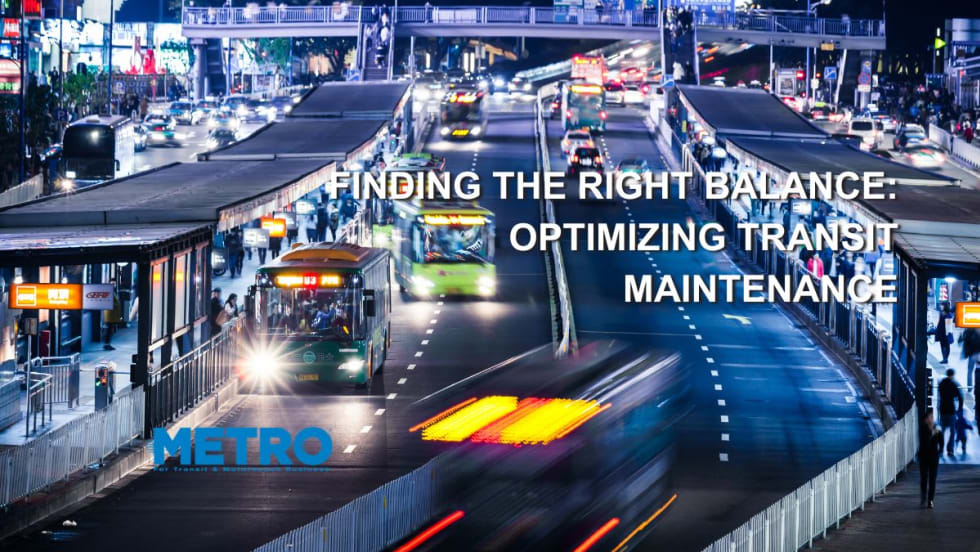
Finding the ‘Happy Medium’: Optimizing Maintenance Without Sacrificing Reliability
The key to maintenance optimization isn’t doing less work—it’s doing the right work at the right time on the right assets.
Read More →
LA Metro, City of West Hollywood, and Partners Advance Smarter Bus Lane Enforcement
The award-winning partnership combines AI-powered detection with human oversight to improve bus reliability, accessibility, and enforcement efficiency.
Read More →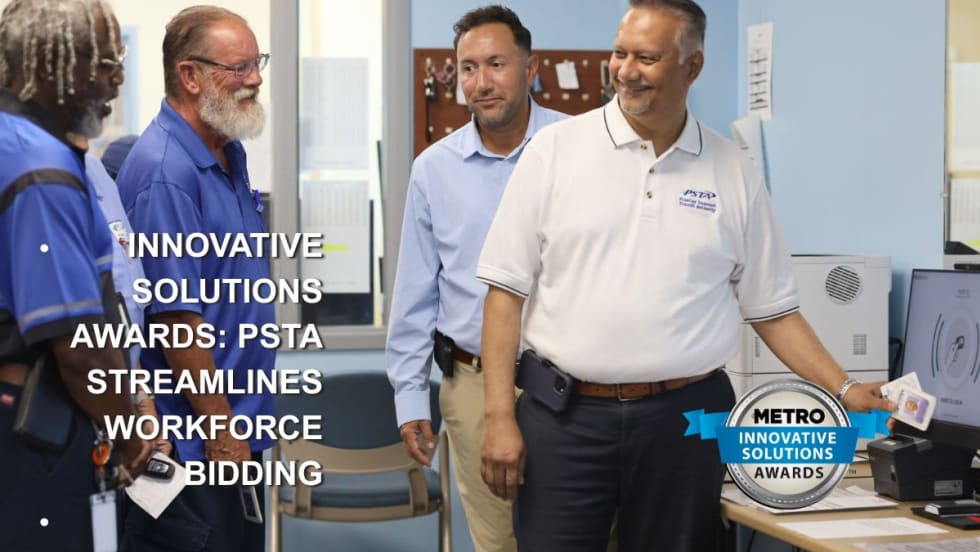
PSTA Modernizes Workforce Management with Digital Bidding System
The award-winning Workforce Transit Modernization project replaced paper bidding with a transparent digital platform, cutting administrative effort while improving access for operators.
Read More →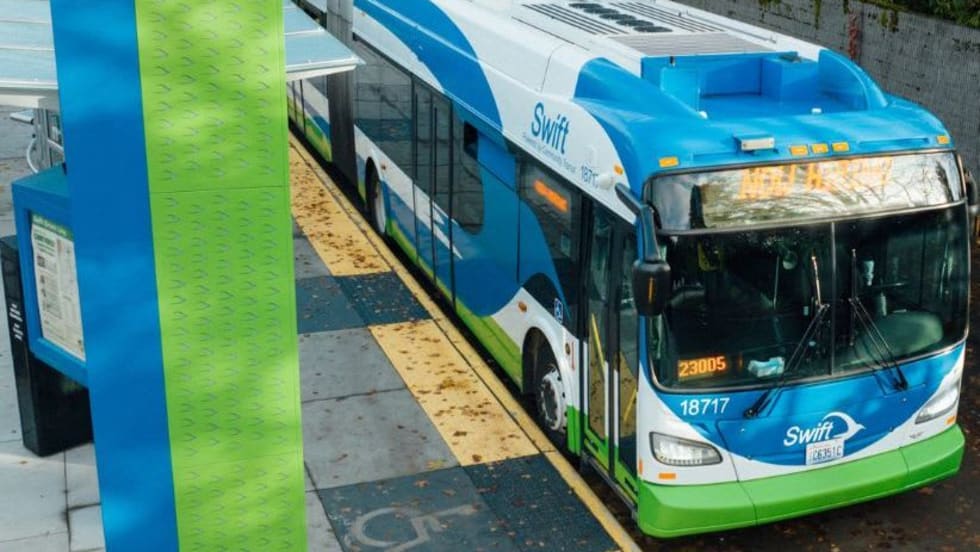
Washington's Community Transit Sets Six-Year Roadmap for Growth, Expansion
Approved TDP targets more bus service, new mobility options, Swift BRT expansion, and a potential Everett Transit annexation.
Read More →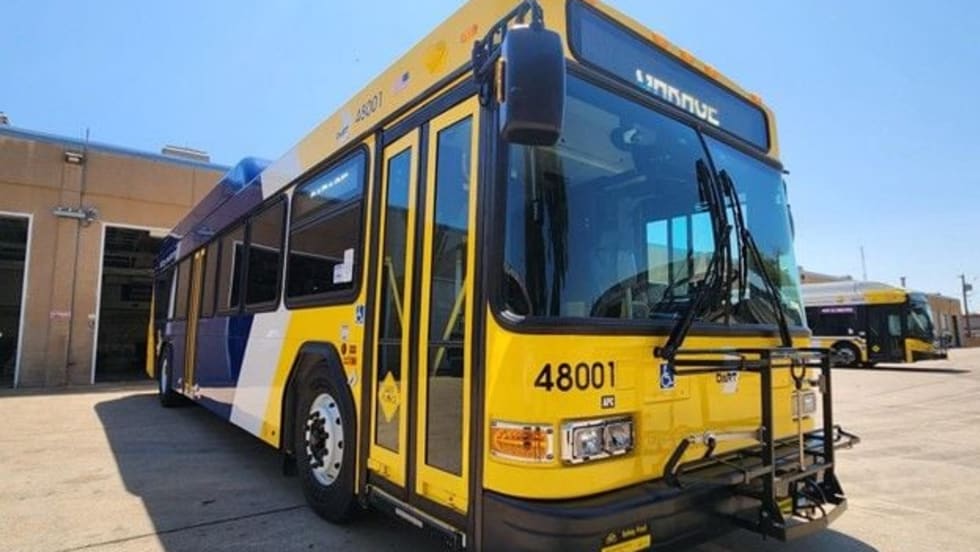
DART Customer Satisfaction Reaches Six-Year High
Overall satisfaction rose to 74.9%, while the agency’s Net Promoter Score reached a record 33.7.
Read More →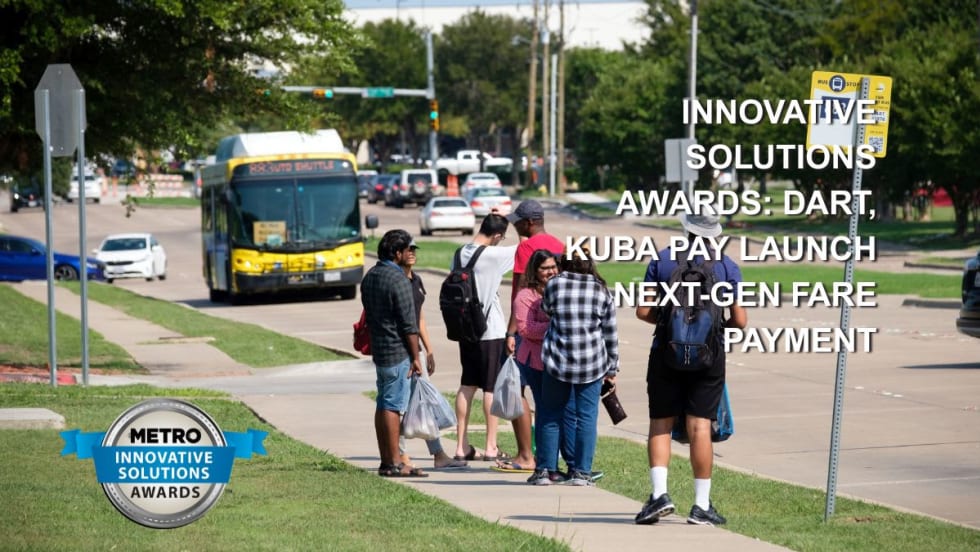
How DART's GoPass Is Redefining Regional Mobility
Serving 14 transit agencies, GoPass simplifies multimodal travel by allowing riders to plan, pay for, and manage an entire trip through one app.
Read More →
Biz Briefs: OCTA Taps Clean Energy for Hydrogen Station, Stadler to Supply Via Rail Vehicles, and More
From manufacturers and suppliers to transit agencies and motorcoach operators, these updates offer a snapshot of the projects, partnerships and business moves driving the industry forward.
Read More →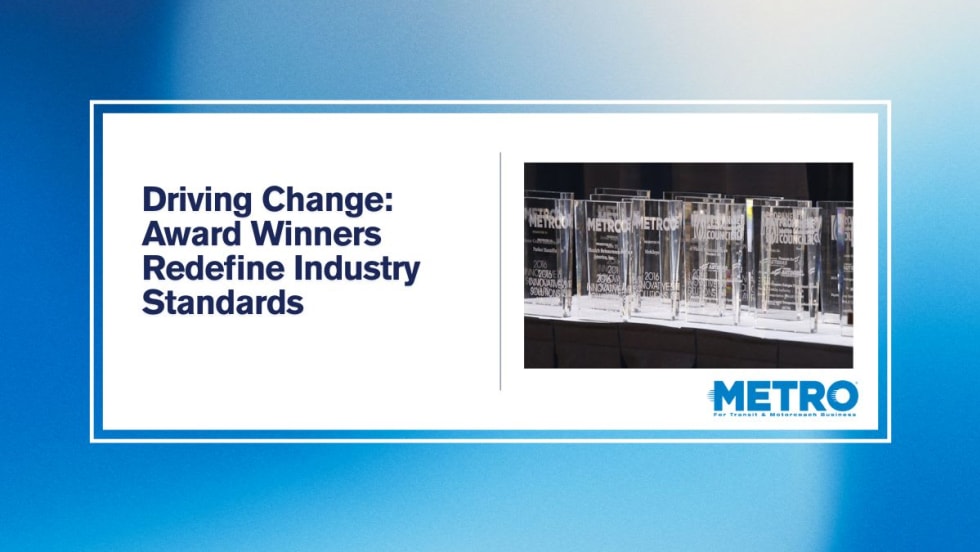
METRO Magazine Announces 2026 Innovative Solutions Awards Winners
Projects Recognized for Advancing Mobility Through Technology, Accessibility, Workforce Innovation, and Operational Excellence
Read More →
Biz Briefs: STV teams with Amtrak, Motorcoach Operators Boost Fleet and Land Contracts, and More
From manufacturers and suppliers to transit agencies and motorcoach operators, these updates offer a snapshot of the projects, partnerships and business moves driving the industry forward.
Read More →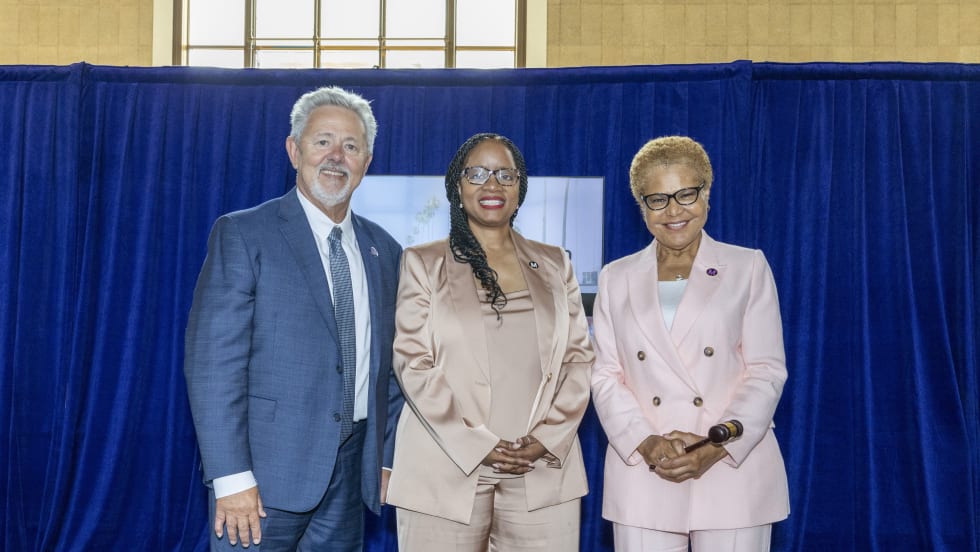
LA Metro Marks Banner Year, Sets Ambitious Goals for New Fiscal Year
Incoming LA Metro Board Chair and Los Angeles Mayor Karen Bass joined outgoing Board Chair Fernando Dutra and LA Metro CEO Stephanie Wiggins to review accomplishments from fiscal year 2026, which included the opening of new rail extensions, advancement of major transit projects, expanded safety programs, and new rider amenities.
Read More →