



Benefits of 13(c) Debated at Senate Hearing
Federal administrators and transit operators disagreed on the necessity of 13(c) during a hearing held in April by the Senate Banking Committee.

Federal administrators and transit operators disagreed on the necessity of 13(c) during a hearing held in April by the Senate Banking Committee. The Federal Transit Administration (FTA) and the Amalgamated Transit Union (ATU) expressed the necessity of 13(c) to further protect and preserve the rights of transit workers. "The FTA strongly supports the integration of 13(c) protections and rights into our grant agreements and will continue to work cooperatively with the Department of Labor [DOL] to ensure that these rights are integrated in a timely fashion," said Nuria Fernandez, acting administrator of the FTA. Jim La Sala of the ATU said 13(c)’s function is to prevent transit worker abuse. “It has been a hallmark of the federal transit program that the collective bargaining process maintained through the Section 13(c) transit employee protection program has functioned to enhance stability and service within the industry,” he said. Both Fernandez and La Sala disputed accusations that 13(c) delays grant certification processes and contributes to rising costs. Fernandez said that joint efforts of the FTA, DOL and transit authorities actually sped up the processes and increased the number of final certifications. "Since the issuance of the 1995 guidelines, approximately 97% of the grant applications received an interim or final certification within 60 days," Fernandez said. Before, about 85% of grant applications were certified within a 90-day period. La Sala said the costs of 13(c) programs have been minimal over the last 30 years. Individual employee’s claims during that time total a fraction of the $120 billion to $130 billion distributed by the program since 1964. Lee Gibson, assistant general manager of transit at the Regional Transportation Commission of Clark County, Nev., said 13(c) is no longer necessary to the transit community. "It is a relic of another era and has outlived its usefulness. In fact, I submit that 13(c) stands in the way of the transit industry," he said. "Unlike the situation in 1964, today many states have public sector collective bargaining and labor relations statutes. Further, for the private sector transit employees, traditional labor rights are fully addressed by the National Labor Relations Act," Gibson said. Roger Snoble, president of Dallas Area Rapid Transit (DART), said his primary concern is the sole provider clause within 13(c). He said that such a clause goes against Texan law and prohibits DART from contracting out services for preventative maintenance and other new activities. "This prohibition is in direct contradiction to … the Texas Transportation Code and to the industry’s best business practices," Snoble said. "If, as a result of this evaluation, DART would determine that it would be more economically efficient to contract for new transportation services, the sole provider clause would prohibit DART from doing so." Snoble said that attempts to negotiate the clause out of the 13(c) operating assistance arrangement became futile. In December 1999, ATU and DART concurred that the sole provider clause would be eliminated from the 13(c) arrangement. But in January, ATU changed its mind and reasserted the clause that left DART to decline 13(c) arrangements entirely. Snoble said DART experienced negative financial consequences due to DOL and ATU holding on to 13(c). "It seems that 13(c) has served its purpose and is no longer required to protect transit employees," Snoble said.
More Management

COTA Launches First Customer Experience Action Plan to Improve Transit Service
The new plan outlines improvements to service reliability, accessibility, communication, and the overall rider experience across Central Ohio's transit system.
Read More →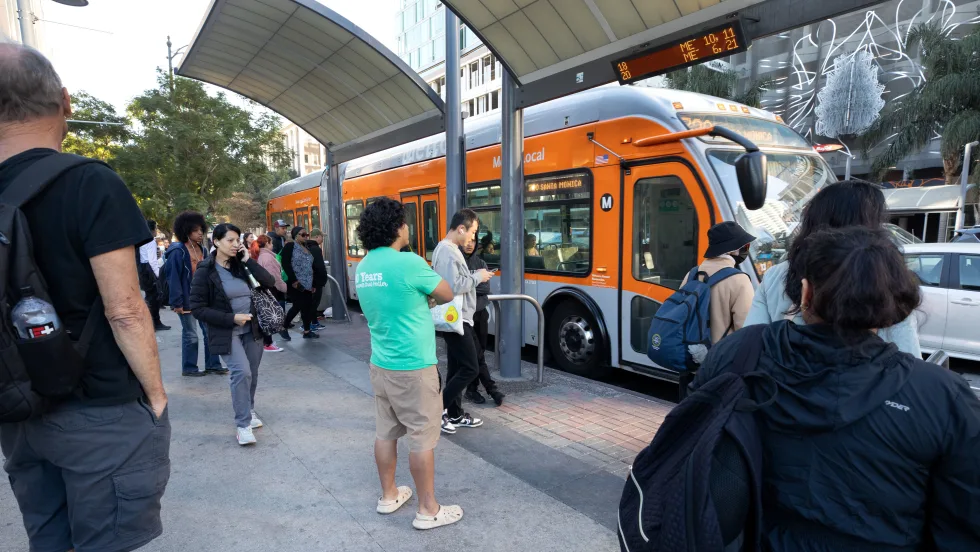
LA Metro September Ridership Climbs 3.9%, Led by Rail Growth
The agency recorded more than 27.2 million boardings, with rail ridership increasing 12.4% year over year and the D Line posting the largest gains.
Read More →
Utilimarc Launches SmartReplace to Optimize Fleet Replacement Decisions
AI-powered SmartReplace helps fleets prioritize vehicle replacements, model budget scenarios, and build more defensible long-term strategies.
Read More →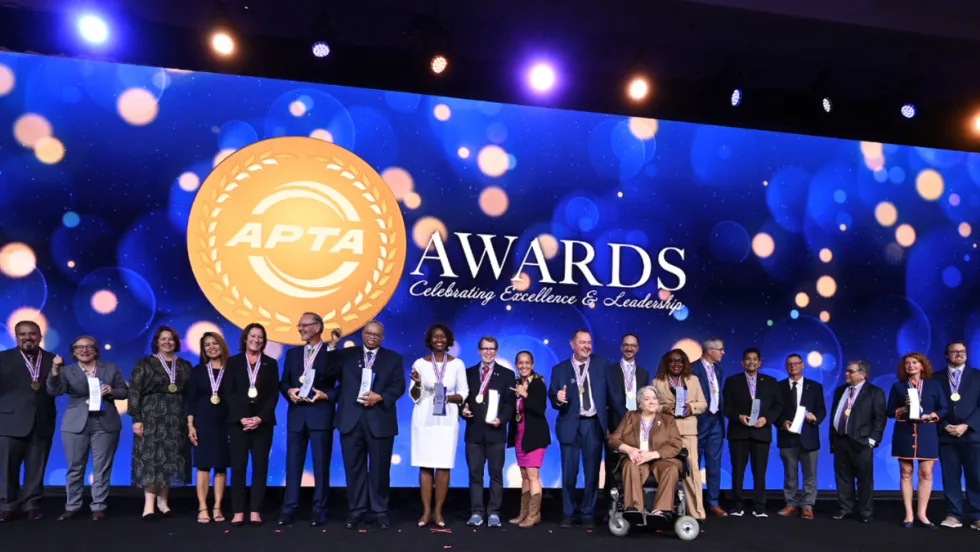
APTA Honors 2026 Award Winners, Hall of Fame Inductees at TRANSform & EXPO
Innovations in autonomous and zero-emission transportation, standout transit systems, and industry leadership took center stage among this year's honorees.
Read More →
7 Ways to Build a Better Transit Internship Program
Lessons from DRPA/PATCO’s approach to creating a meaningful internship experience—and developing the next generation of transportation professionals.
Read More →
Scenes from APTA TRANSform & EXPO 2026
Transit leaders, manufacturers, and industry professionals gathered in Chicago to explore new technologies, share ideas, and discuss the future of public transportation.
Read More →
Building Stronger Leaders, More Resilient Transit Teams
Dr. Carol Parker Walsh discusses leadership development, employee retention, workplace culture, and preparing transit’s workforce for AI and automation.
Read More →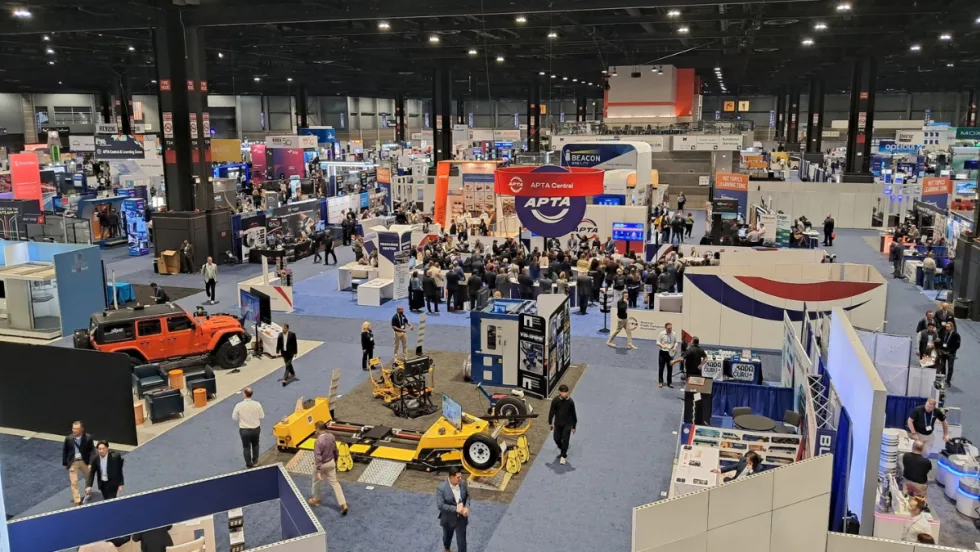
APTA 2026 TRANSform & EXPO Kicks Off in Chicago
After 45 years, APTA returns to Chicago with a focus on next-generation fleets, AI, connected transit networks, and the funding strategies shaping public transportation’s future.
Read More →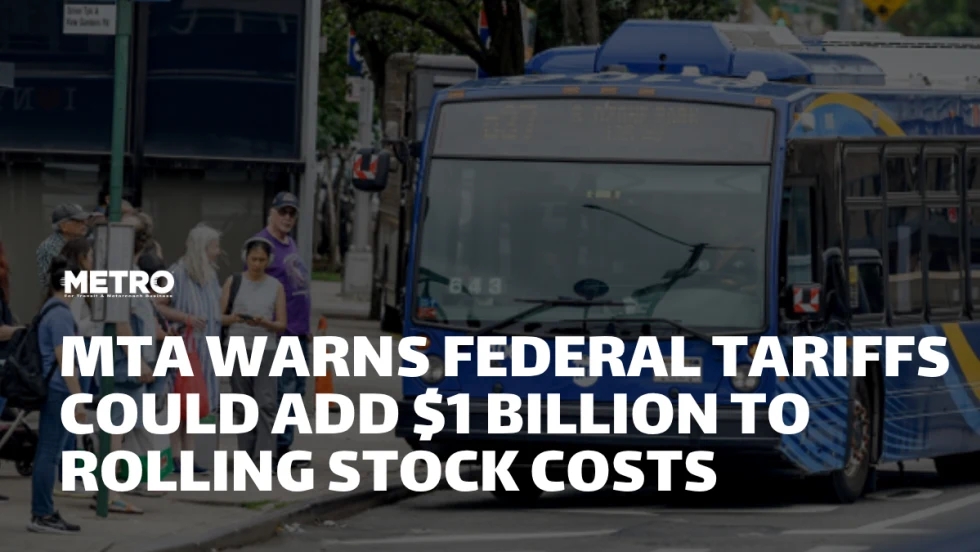
New York MTA Warns Federal Tariffs Could Add $1 Billion to Rolling Stock Costs
The agency said tariffs on specialized imported components could reduce the purchasing power of its $23 billion investment in new subway cars, railcars, and buses.
Read More →
From the Show Floor: What Happened at APTA TRANSform & EXPO 2026
See the latest product launches, partnerships, technology updates, and transit industry announcements from APTA TRANSform & EXPO in Chicago.
Read More →