
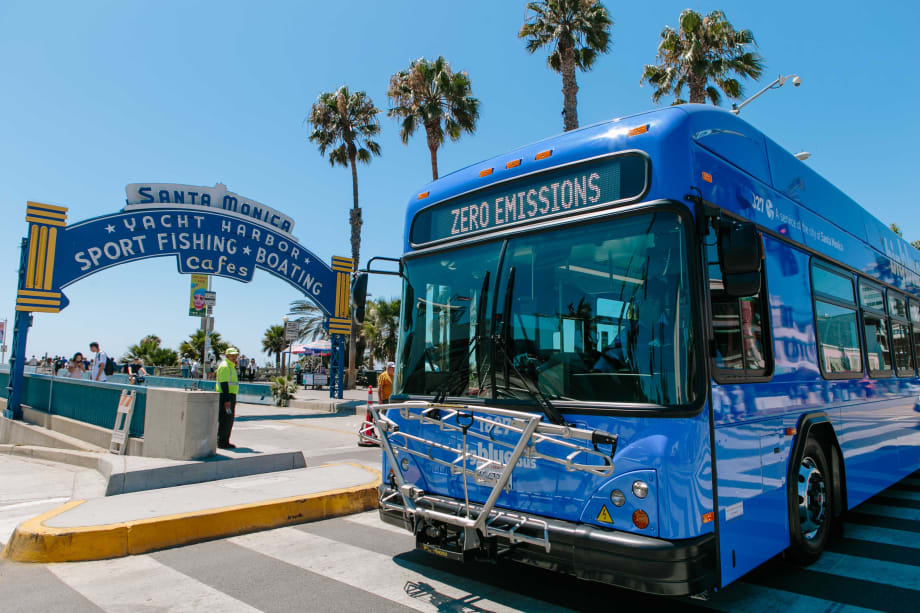
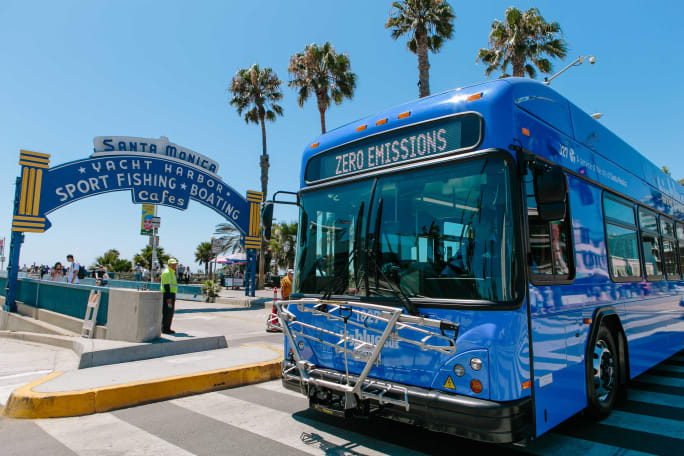
In mid-2019, Big Blue Bus received its first prototype battery electric bus from GILLIG, a California-based bus manufacturer.
The new bus is powered by six onboard batteries and can be fully charged in less than four hours.


 MENU
MENU SEARCH
Santa Monica, Calif.-based transit agency to convert 195-bus fleet to electric power by 2030
Big Blue Bus
Global design firm Stantec has been selected by Big Blue Bus— which serves Santa Monica and the Westside of Los Angeles, one of the most densely populated areas in L.A. County— to help the transit agency transition to a zero-emission bus (ZEB) fleet. Stantec will assist the municipal bus operator to devise an electric vehicle charging strategy as it switches its fleet of 195 buses by 2030. The Big Blue Bus implementation date is a decade ahead of a statewide mandate.
The charging infrastructure project, set for completion in March 2021, starts with an in-depth review of route modeling for Big Blue Bus to determine if battery electric buses or hydrogen fuel-cell electric buses are the best fit for the community.
The Stantec Team will work with the West Los Angeles bus operator on a block-by-block analysis to understand power requirements throughout the 58-square-mile service area. During the transition to 100-percent ZEB operations, the Big Blue Bus fleet composition will evolve over time, and both natural gas-powered buses and electric buses will be in service simultaneously. The phased approach provides flexibility for the transit agency as it reduces its environmental footprint. The infrastructure plan will accommodate the shifting fleet composition and the ultimate decommissioning and removal of the existing fueling system in place.
Elsewhere in California, Stantec is working with Riverside Transit Agency, Antelope Valley Transit Authority, Napa Valley Transit, San Luis Obispo RTA, Fresno Area Express, Anaheim Transportation Network and Orange County Transit Authority to assist with electric bus charging infrastructure and smart power technology planning and design. Additionally, Stantec is assisting TriMet in Portland, Oregon; Minneapolis Metro; the Toronto Transit Commission; and private companies with similar plans. Stantec also is working with the State of California Department of General Services on their zero emissions vehicle plans.
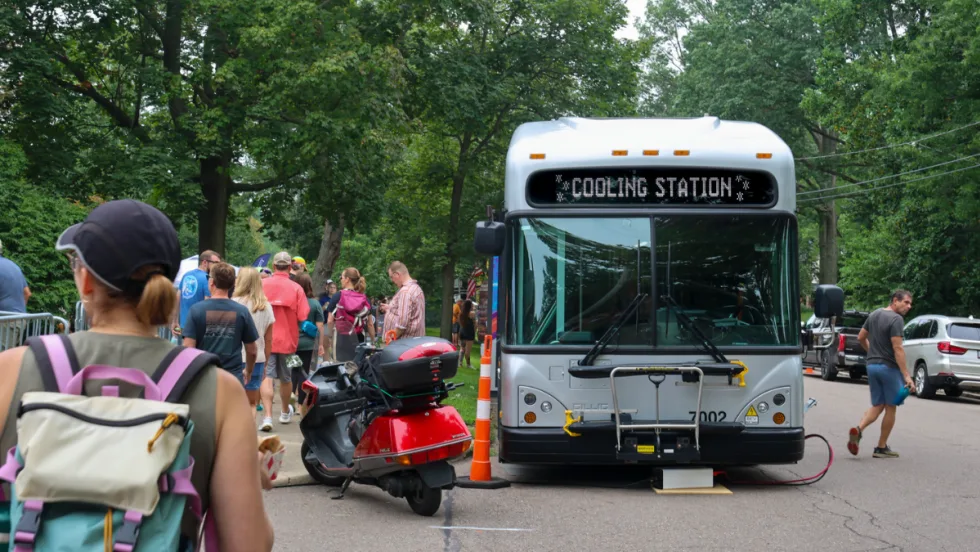
See how three Gillig battery-electric buses powered festival stages while the agency’s new Park & Ride service carried approximately 1,000 attendees, demonstrating another potential use for transit agencies’ electric fleets.
Read More →
The new name represents a renewed vision for the nonprofit focused on advancing clean, equitable, and affordable transportation solutions that move people and goods.
Read More →
John Hroncich discusses BAE Systems’ modular and scalable approach, lessons learned from decades of real-world operations, and how agencies can identify electrification strategies that fit their fleets.
Read More →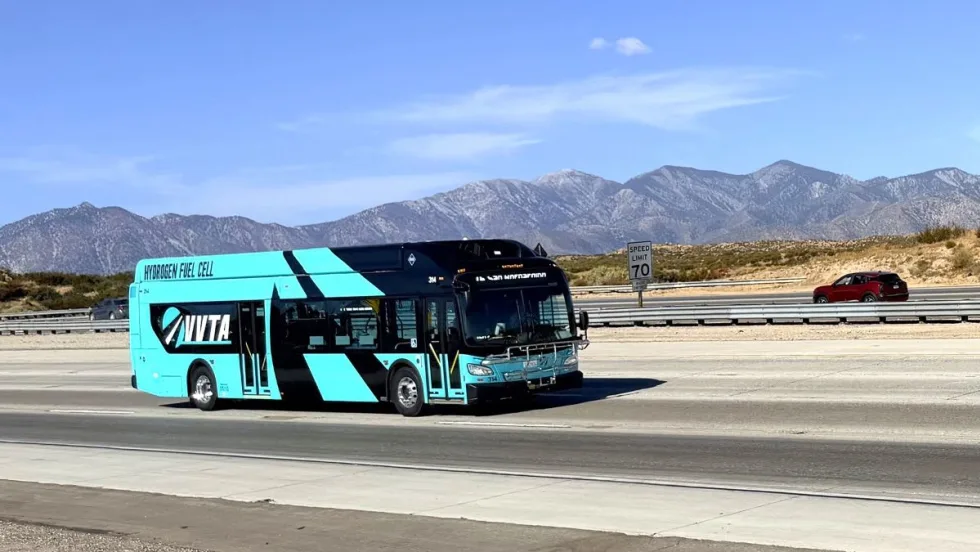
The agency is introducing 13 zero-emission buses into revenue service while evaluating performance across its urban, rural, and long-distance routes.
Read More →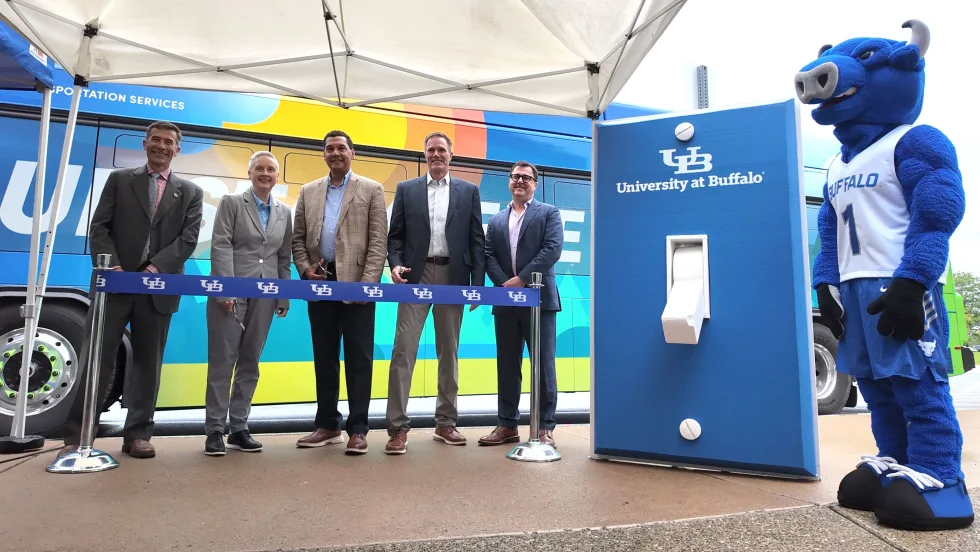
UB, transportation solutions provider WeDriveU, and fleet electrification specialist Zenobē marked the deployment in the presence of students, university administrators, and local officials.
Read More →
From manufacturers and suppliers to transit agencies and motorcoach operators, these updates offer a snapshot of the projects, partnerships and business moves driving the industry forward.
Read More →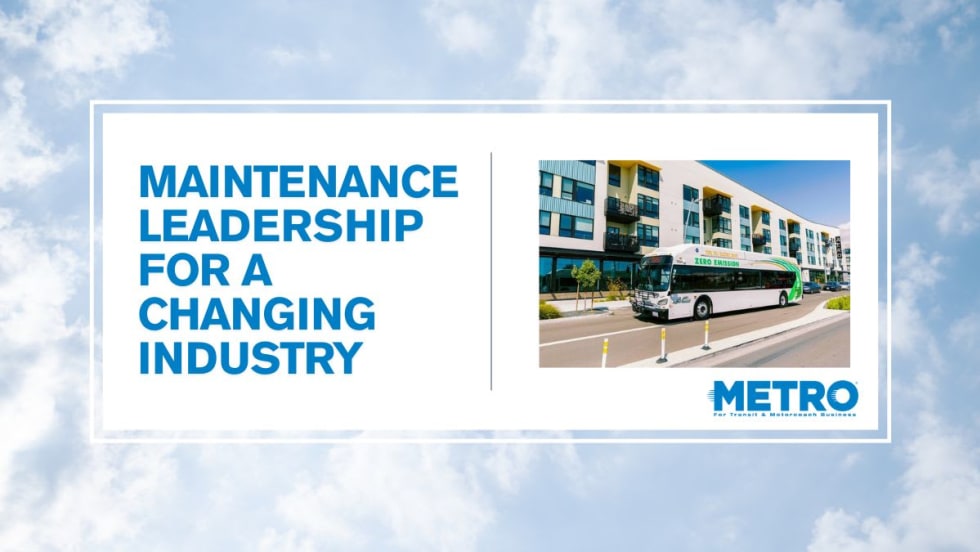
The agency’s maintenance chief discusses leadership, workforce development, zero-emission technology, and preparing technicians for the future of public transportation.
Read More →
The firm will work with CTDOT and RVT to define the facility layout, operational requirements, and long-term flexibility for RVT’s growing electric fleet.
Read More →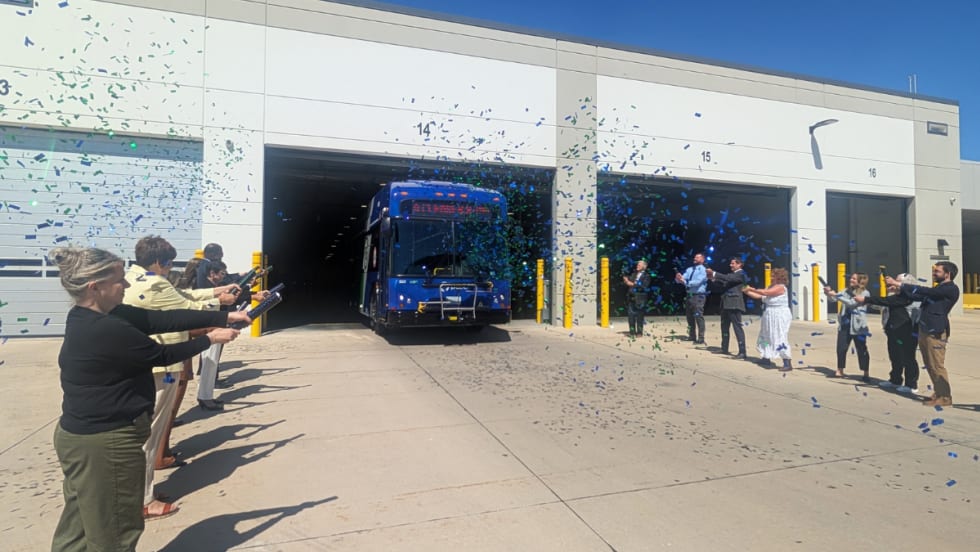
The new buses reduce emissions and fuel consumption while advancing the agency's long-term goal of transitioning to a fully zero-emission fleet.
Read More →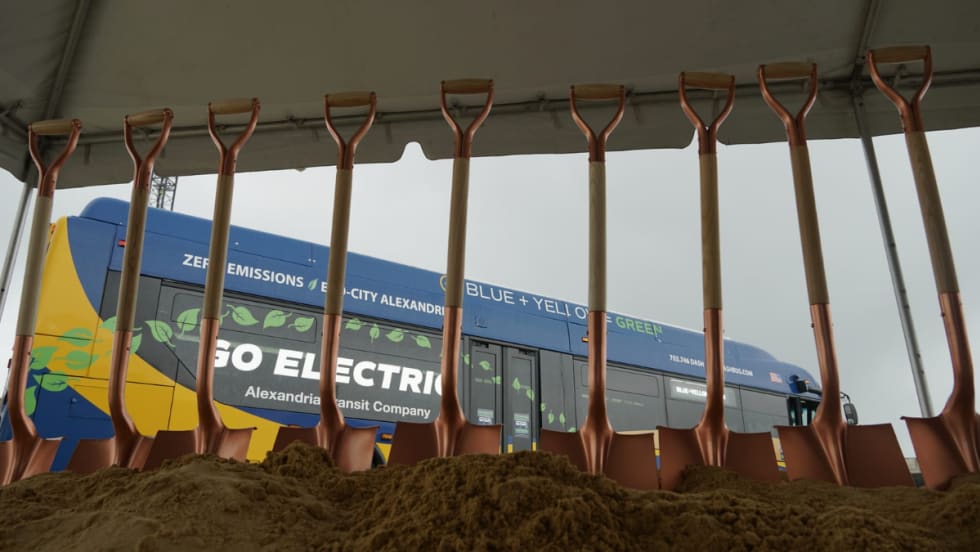
The fast-charging infrastructure will help extend electric bus range, improve fleet utilization, and support DASH's goal of transitioning to a fully zero-emission fleet.
Read More →