



Biz Briefs: Alstom, ENC Contracts; Phoenix Motorcars Milestone; Affectiva Acquisition
Alstom and ENC secure technology and vehicle contracts, respectively, while Phoenix Motorcars hits an EV milestone and Smart Eye acquires Affectiva.
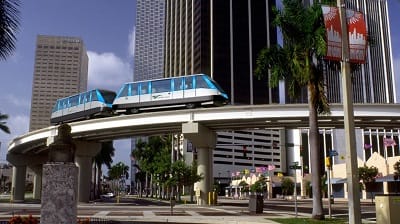
Alstom Secures Miami Automated People Mover Contract
Alstom has been selected by the Miami-Dade County Department of Transportation and Public Works to provide its Cityflo 650 Communications-Based Train Control (CBTC) solution for Miami-Dade’s Metromover system.
The contract is valued at approximately $140 million and includes the replacement or refurbishment of the power distribution system, the Supervisory Control and Data Acquisition (SCADA) System, guideway switches, and other elements that make up the Metromover. The contract also includes the introduction of several new features designed to increase reliability and availability, lower maintenance costs, and enable more efficient operation while maximizing passenger safety.
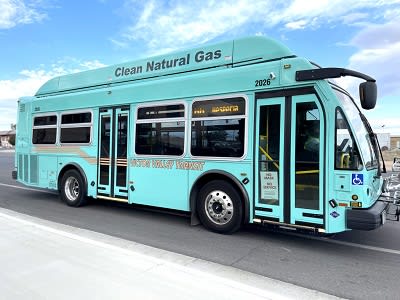
Victor Valley Transit Adds 6 ENC Buses
California’s Victor Valley Transit Authority (VVTA) has added six new 32-foot EZ Rider transit buses from ElDorado National Company (ENC) to its fleet.
The buses, equipped with 27 seats and two wheelchair areas, include a variety of new features, such as a plexiglass driver barrier shields, USB connections, passenger Wi-Fi, and near-zero-emission engines by utilizing renewable natural gas (RNG). These smaller bus models are also designed to easily maneuver in narrow areas with a tighter turning radius.
The six EZ Riders will replace VVTA’s 2000 series buses, and will service Routes 21P/21W, 22, 23, 33, 40, 47, 54, and 66.
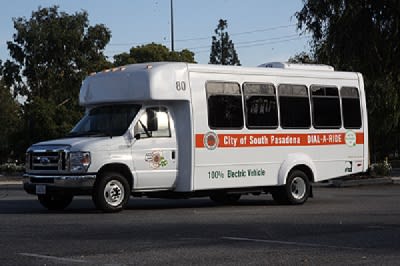
Phoenix Motorcars Reaches 2.75M All-Electric Mile Milestone
Phoenix Motorcars has exceeded the 2.75 million electric mile mark, counting all their fully electric trucks and shuttle buses in operation. This includes the company’s first-, second- and third-generation products that have been driven across a wide variety of end-use applications.
The manufacturer’s shuttle buses and trucks are built on the Ford E-450 cutaway chassis platform and have vastly improved in capability over the past generation cycles. Phoenix Motorcars launched its first medium-duty electric drivetrain in 2009 and sold its first commercial EV in 2014. The manufacturer is currently in production of its recently developed third-generation drivetrain, which offers up to 160 miles in range.
Smart Eye Completes Acquisition of Affectiva
Smart Eye, an artificial-intelligence (AI) based eye tracking company, has acquired AI software company Affectiva, per an agreement that was announced on May 25.
The newly merged company will lead and accelerate the growth and development of software for automotive interior sensing, media analytics, human factors research, and other adjacent markets.
For over 20 years Smart Eye has developed AI in the form of eye tracking technology that understands, supports, and predicts a person’s intentions and actions. The company’s eye tracking technology is used in the next generation of cars and commercial vehicles, and provides new insights for research within aerospace, aviation, and neuroscience.
More Technology

From Hardware to Digital Partner: Luminator Charts Its Next Chapter
CEO Magnus Friberg discusses Luminator’s shift toward becoming a digital partner, the growing importance of software and interoperability, and how AI can help agencies improve operations and passenger experience.
Read More →
Beyond the Checklist: A Structured Approach to Transit Maintenance
Reliability-Centered Maintenance helps transit agencies move beyond routine checklists to focus limited resources on the assets and failures that have the greatest impact on safety, reliability, and service.
Read More →
NJ TRANSIT Advances Bus Technology Upgrades Across Statewide Fleet
More than 1,500 buses now feature upgraded technology designed to improve arrival predictions and provide free Wi-Fi, with deployment expected to reach nearly 2,000 buses by the end of 2026.
Read More →

Building a Flexible Path to Transit Electrification
John Hroncich discusses BAE Systems’ modular and scalable approach, lessons learned from decades of real-world operations, and how agencies can identify electrification strategies that fit their fleets.
Read More →
Biz Briefs: Alstom Lands Canadian Contract, LYT to Supply California TSP, and More
In METRO's latest installment, we take a look at recent news from Complete Coach Works, Beep, FlixBus, and more partnerships making headlines across the transportation sector.
Read More →
From Legacy Silos to Conversational Intelligence
What if transit leaders could ask any operational question and get a trusted answer in seconds? Conversational AI is transforming how agencies use their data.
Read More →
USDOT Announces Rail Vehicle Replacement Grants, Chattanooga AV Shuttle Funding
More than $191 million in federal funding will help three transit agencies replace aging rail vehicles and support a new autonomous shuttle service in Chattanooga.
Read More →
Bus Tech Talk: Keeping Transit Technicians Ahead of the Technology Curve
LA Metro’s Obed Mejia discusses technician training, evolving maintenance technology, fleet replacement, and strategies for getting the most out of today’s transit fleets.
Read More →
Biz Briefs: RIPTA Unveils New Frontrunners, Clevland RTA Adds New Siemens, and More
In METRO's latest installment, we take a look at recent news from Siemens, Prevost, Dodge, and more partnerships making headlines across the transportation sector.
Read More →
Why Simulating Pedestrian Movement Has Become Essential for Modern Rail Stations
Pedestrian microsimulation is helping rail planners identify bottlenecks, test station designs, and prepare complex transit hubs for growing passenger volumes.
Read More →