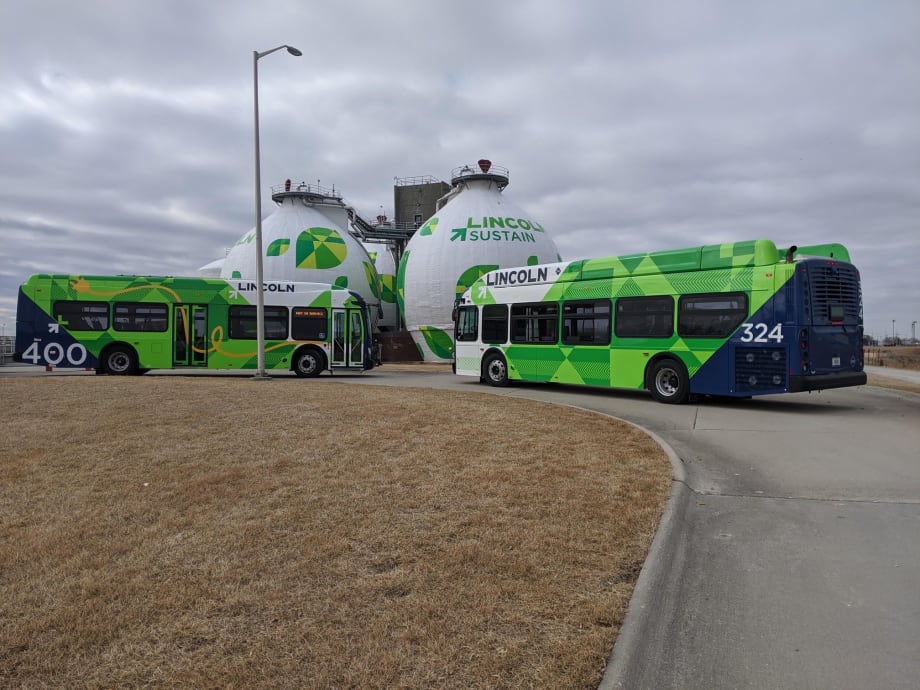
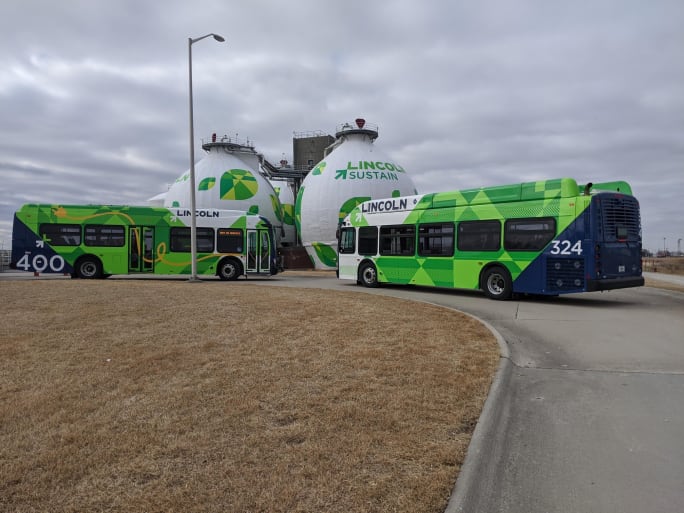
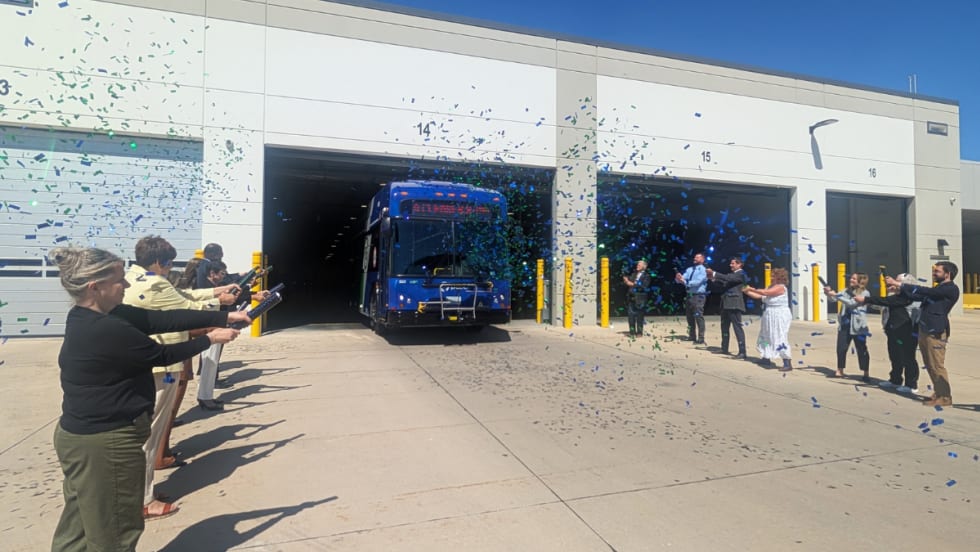
Each StarTran bus is estimated to reduce greenhouse gas emissions by 100-160 tons per year, compared to a traditional clean diesel bus.
New Flyer
2 min to read
Each StarTran bus is estimated to reduce greenhouse gas emissions by 100-160 tons per year, compared to a traditional clean diesel bus. New Flyer
StarTran adding 10 New Flyer CHARGE battery-electric buses
Nebraska’s City of Lincoln Transportation and Utilities, operating as StarTran Bus Service (StarTran) purchased 10 battery-electric, 35-foot New Flyer Xcelsior CHARGE™ heavy-duty transit buses.
Ad Loading...
The zero-emission bus purchase furthers the city’s commitment to sustainability through greenhouse gas reduction in public transit, and is comprised of two orders, both supported with Federal Transit Administration Low or No-Emission funding. A $1.45 million federal grant in 2017 supported the city’s purchase of its first four electric buses, while a $2.6 million federal grant in 2019 supported the replacement of six older diesel buses with new electric models.
Each bus is estimated to reduce greenhouse gas emissions by 100-160 tons per year, compared to a traditional clean diesel bus.
Broome County adds 3 buses powered by BAE Systems' electric-hybrid tech
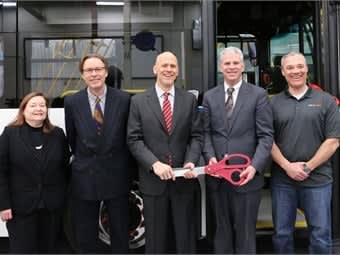
BAE Systems and Broome County Transit officials held a ribbon cutting ceremony to celebrate Broome's addition of three buses powered by BAE's Series-ER propulsion system.
BAE Systems
BAE Systems hosted a ribbon cutting at its Endicott, N.Y., facility in celebration of Broome County Transit continuing to go green. The county deployed three new buses powered by BAE Systems’ electric–hybrid technology.
The new buses are equipped with BAE Systems’ Series-ER power and propulsion system. The hybrid system is electrically-driven and saves fuel and emissions, while decreasing maintenance of mechanical parts.
The Series-ER systems are produced at the company’s advanced manufacturing facility in Endicott, which supports more than 1,300 high-tech jobs in New York.
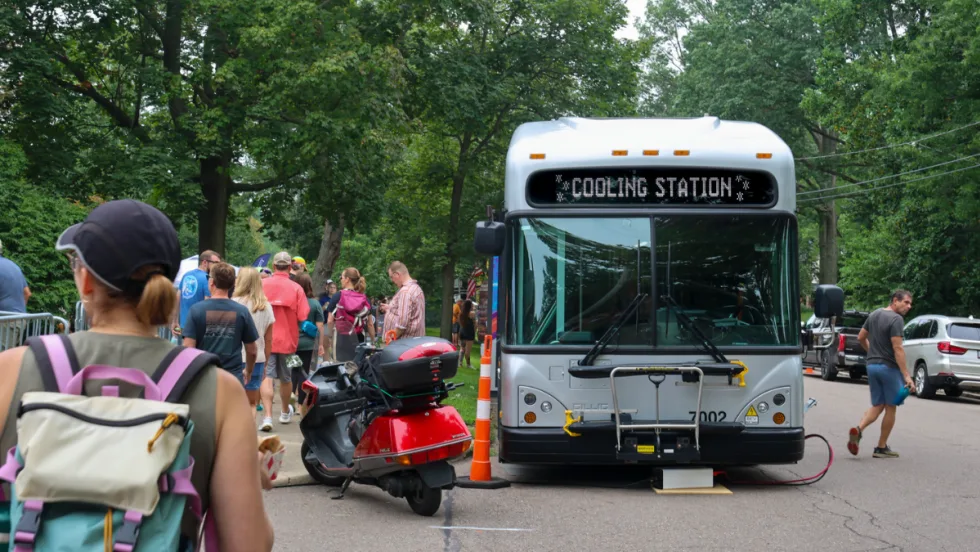
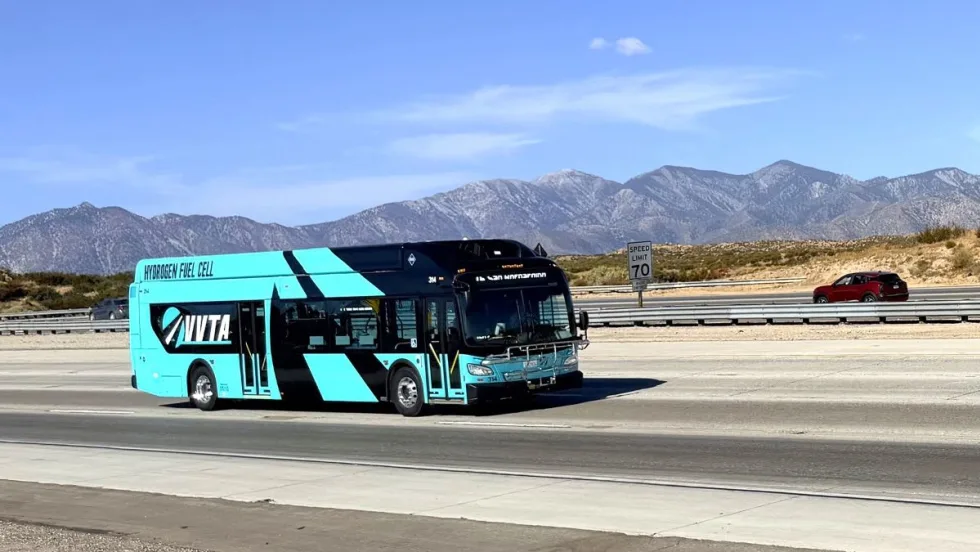
See how three Gillig battery-electric buses powered festival stages while the agency’s new Park & Ride service carried approximately 1,000 attendees, demonstrating another potential use for transit agencies’ electric fleets.
The new name represents a renewed vision for the nonprofit focused on advancing clean, equitable, and affordable transportation solutions that move people and goods.
John Hroncich discusses BAE Systems’ modular and scalable approach, lessons learned from decades of real-world operations, and how agencies can identify electrification strategies that fit their fleets.
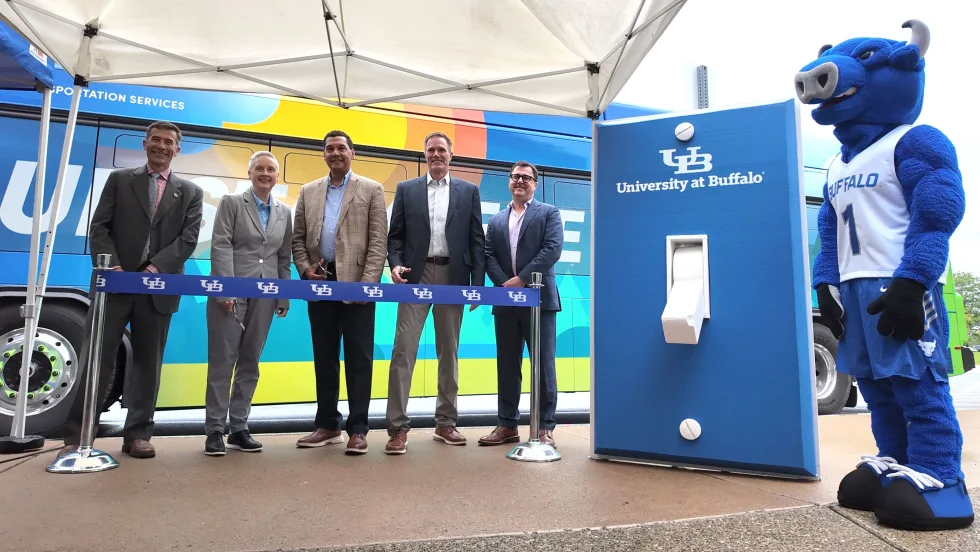
UB, transportation solutions provider WeDriveU, and fleet electrification specialist Zenobē marked the deployment in the presence of students, university administrators, and local officials.
From manufacturers and suppliers to transit agencies and motorcoach operators, these updates offer a snapshot of the projects, partnerships and business moves driving the industry forward.
The agency’s maintenance chief discusses leadership, workforce development, zero-emission technology, and preparing technicians for the future of public transportation.
The firm will work with CTDOT and RVT to define the facility layout, operational requirements, and long-term flexibility for RVT’s growing electric fleet.
The fast-charging infrastructure will help extend electric bus range, improve fleet utilization, and support DASH's goal of transitioning to a fully zero-emission fleet.