




Read More: Biz Briefs: WeGo Public Transit, Transdev, and More
Biz Briefs: Stertil-Koni Expands North American Dealer Network, CharterUP, and More
Get the latest from Stertil-Koni, CharterUP, Kimley-Horn, and Wabtec.
October 26, 2023

Stertil-Koni, CharterUP, Kimley-Horn, and Wabtec are the latest companies to be featured in METRO's Biz Briefs.
Photo: METRO
3 min to read
Stertil-Koni, CharterUP, Kimley-Horn, and Wabtec recently announced news from their respective companies.
Stertil-Koni Selects ODP to Expand its North American Dealer Network
Stertil-Koni announced that it has welcomed Optimized Distributor Partners (ODP) to its North American distributor network.
The company is headed by Jeff Murray, president, and his brother Tim Murray, vice president – supported by an experienced team of service technicians, sales experts, and back office support.
ODP also has a commercial sales specialist, Matt Elder, who will focus on the Stertil-Koni product line.
CharterUP Adds Luxury Sprinter Vans
CharterUP announced that luxury sprinter vans are now available on its charter services platform in Austin, Dallas, Houston, Los Angeles, and San Antonio, with additional markets to follow.
The addition of luxury sprinter vans to the CharterUP marketplace creates opportunities for more than 7,000 independent operators across the U.S. who are sitting on underutilized fleets.
Already hosting a network of more than 4,000 motorcoaches and minibusses, the CharterUP marketplace has added hundreds of luxury sprinter vans to meet the demand for group transportation services of all sizes.
Kimley-Horn Launches Advanced TSP, Preemption Software
Kimley-Horn announced that transportation systems management and operations engineers can now deploy joint Artificial Intelligence (AI)-powered Traffic Signal Priority (TSP), Freight Signal Priority (FSP), and Emergency Vehicle Preemption (EVP) applications in one software system.
Traction Priority from Kimley-Horn is a cloud-based traffic signal software that responds to real-time GPS feeds from existing equipment on buses, trucks, emergency vehicles, and more.
Municipalities and transit authorities can prioritize any mode of transport, including:
Emergency vehicles, to improve response time and decrease crash risks
Transit vehicles, to improve on-time performance and reduce intersection congestion
School buses, to get children to school on time with lower fuel consumption and emissions
Freight vehicles, to reduce emissions, travel time, and cost of operations. The North Central Texas Council of Governments (NCTCOG) calculates that reducing 5,000 freight stops per day can save fleets more than 1,300 kilograms of emissions, 63 hours of travel time, and $4,500 in fuel and operational costs.
Snowplows, to clear roads faster and reduce intersection crashes
Bicycles, including cargo and delivery, to increase cyclist safety through traffic signals
Wabtec to Provide Brakes, Couplers for 640 NYC Metro System Train Cars
Wabtec Corporation announced it will provide brakes and couplers for 640 MTA New York City Transit (NYCT) train cars via its client Kawasaki Rail Car, Inc.
The multi-million-dollar order for equipment provides interoperability with other subway fleets in the New York City Transit System (NYCTS).
“We are delighted that Kawasaki has once again chosen to draw on our strong and longstanding relationship for this exciting project,” said Wabtec Transit President Pascal Schweitzer. “We are proud to help boost reliability and improve subway service on the New York City Transit System, one of the largest and busiest in the world.”
More Management

Amtrak, NJ TRANSIT Launch Full Service on New Portal North Bridge
The completion of the two-track bridge over the Hackensack River eliminates a longstanding source of delays for NJ TRANSIT and Amtrak customers. It marks a major milestone for the Gateway Program.
Read More →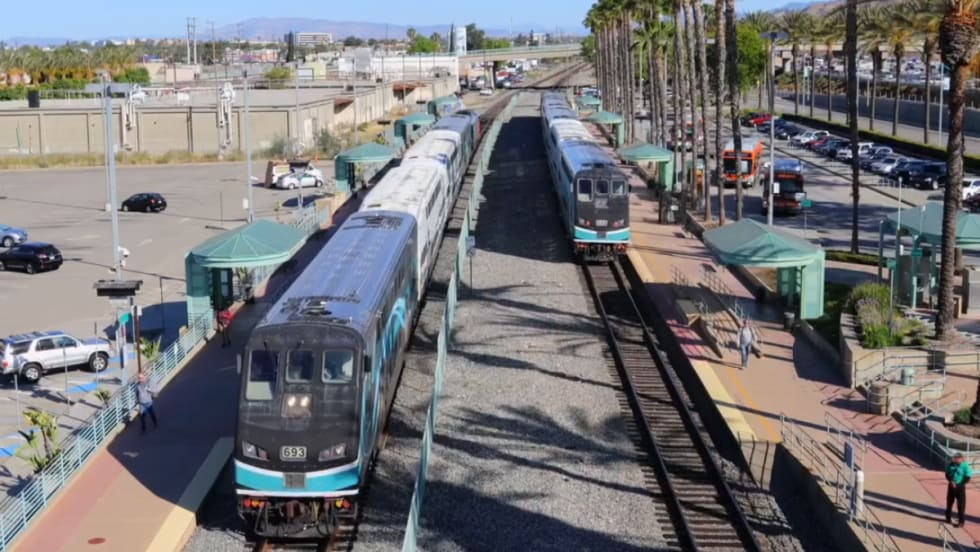
Southern California’s Metrolink Approves $508.8M Budget, Avoids Service Cuts
A $20 million state allocation allows the regional rail agency to maintain existing weekday and weekend service through fiscal year 2028, although longer-term funding challenges remain.
Read More →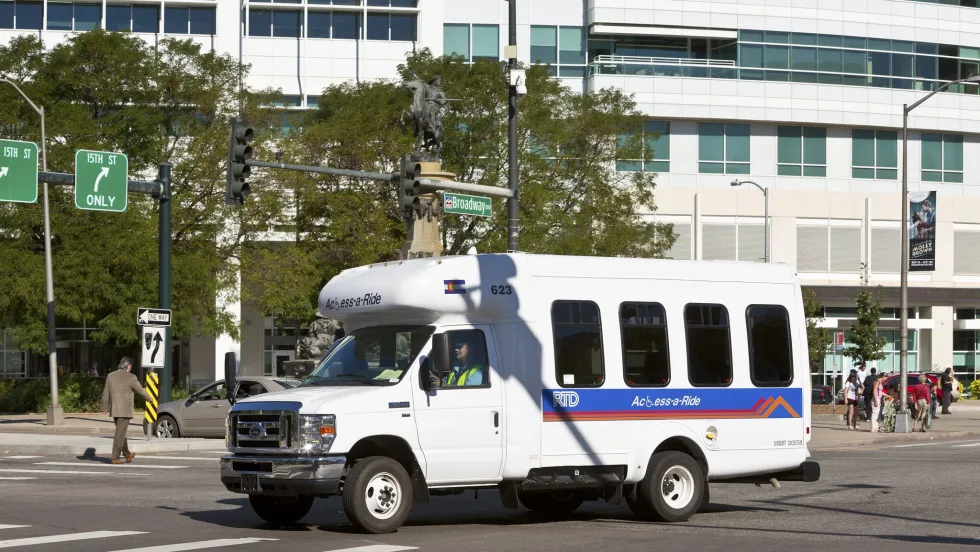
Denver RTD Committee to Review Paratransit Services, Improve Accessibility
The committee will oversee an independent study of paratransit operations, gather customer feedback, and recommend improvements to service reliability, accessibility, and accountability.
Read More →
Castro to Lead RTC of Southern Nevada and More in People Movement
In this edition, we also cover recent appointments and announcements at the STV, MCI, and more, showcasing the individuals helping to shape the future of transportation.
Read More →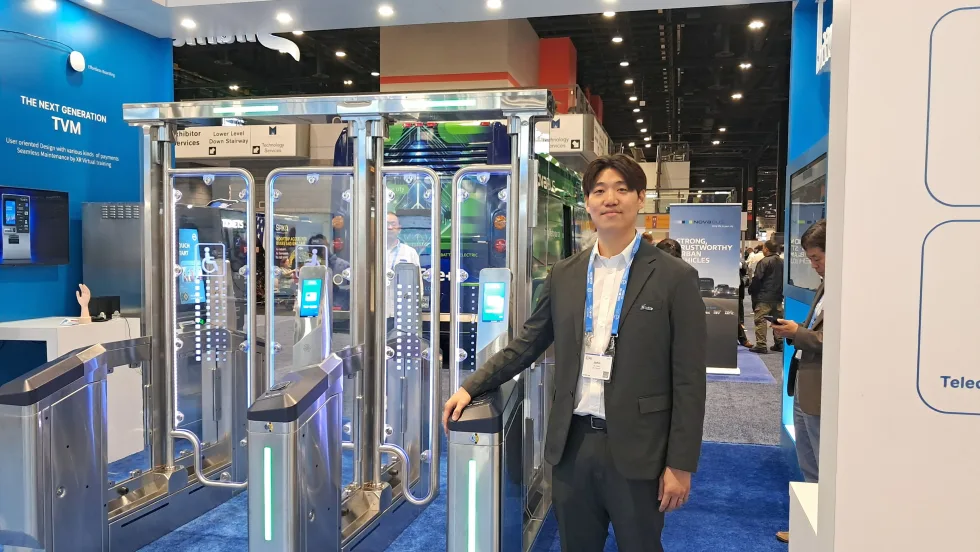
STraffic Expands North American Presence with Fare Collection Technology
John Moon, Associate Director, Product Strategy at STraffic, discusses the company's growth in North America, its efforts to reduce fare evasion, and more.
Read More →
Study: Denver RTD Generates $2.1 Billion in Annual Economic Activity
An economic impact study finds the agency supports approximately 17,500 jobs, delivers $1.6 billion in annual community and mobility benefits, and generates $2.42 in economic value for every dollar invested.
Read More →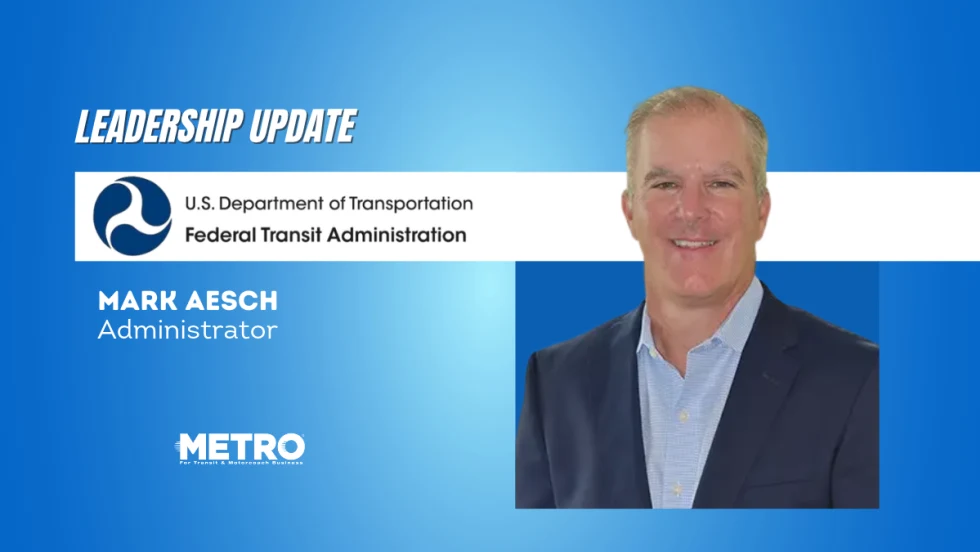
Mark Aesch Nominated to Lead Federal Transit Administration
The former Rochester transit chief and TransPro founder, who has also contributed to METRO Magazine, brings decades of industry experience and a focus on performance, accountability, and financial sustainability to the nomination.
Read More →
Best and Worst U.S. Cities for Public Transportation in 2026
A new analysis of 50 major U.S. urban areas ranks public transit systems based on accessibility, affordability, usefulness, and safety, highlighting where transit performs best and where challenges remain.
Read More →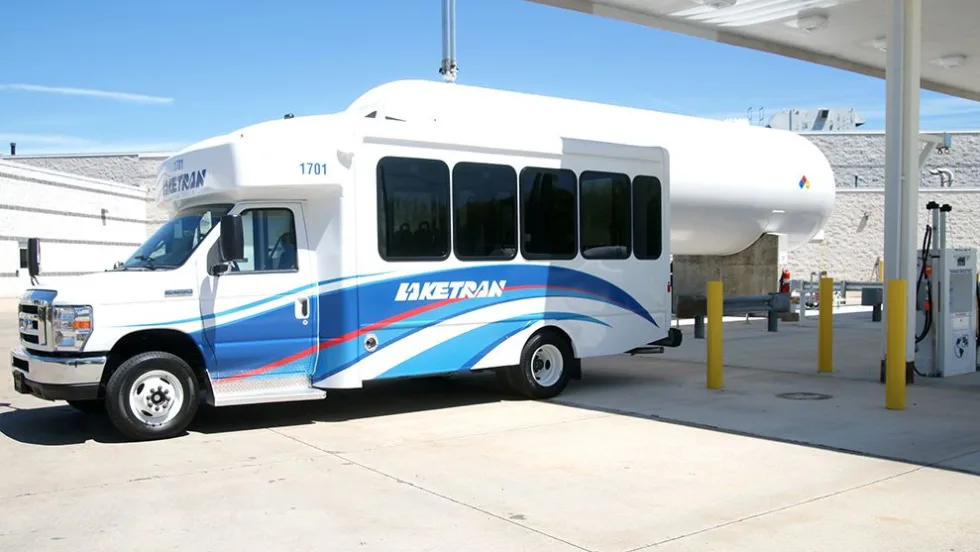
Laketran Cuts Fuel Costs, Boosts Efficiency with Propane-Powered Fleet
The Ohio transit agency is using propane-powered vehicles and on-site fueling infrastructure to cut fuel and maintenance costs while meeting growing demand for paratransit services.
Read More →
Canada’s Public Transit Supports $65.6 Billion in Annual GDP
New research from the Canadian Chamber of Commerce examines transit's economic contributions, including job creation and the financial implications of transportation investment.
Read More →