



Biz News: BYD, GILLIG deliver sustainable-conscious buses
Toronto Transit Commission and Rockford Mass Transit District take delivery of battery-electric and hybrid-electric buses, respectively.

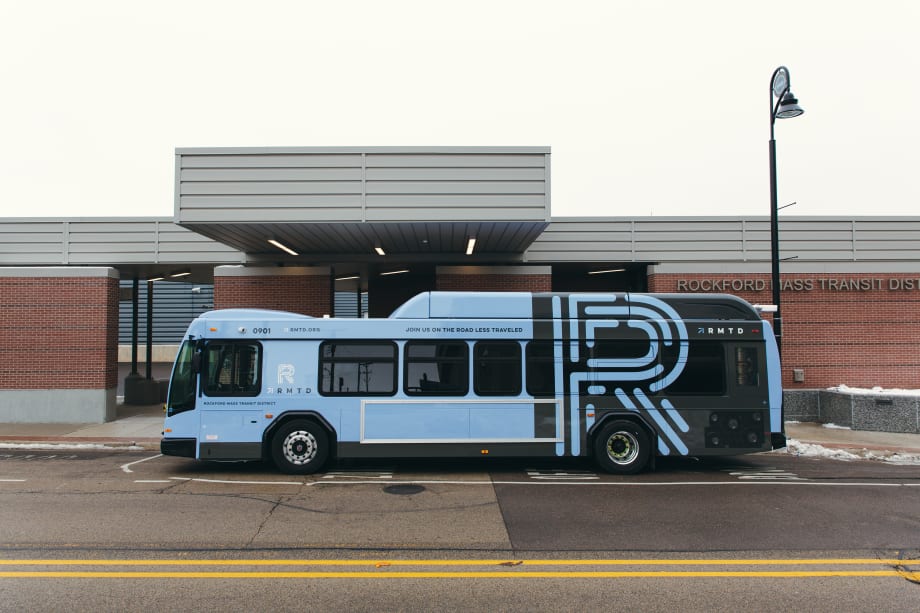
The new GILLIG buses will utilize Series-ER electric hybrid technology from BAE Systems, which is a combination of a smaller diesel engine and an energy storage system.
RMTD

BYD delivered the first two zero-emission, battery-electric buses to the Toronto Transit Commission (TTC). The bus is part of a total order by the TTC for 10 BYD 40-foot K9M buses, all of which are scheduled to be delivered in coming days.
The delivery is a milestone for BYD, as the vehicles are the first to undergo final assembly by BYD at its 45,000-square-foot facility in Newmarket, Ontario that is the first new electric bus plant to open in the province in a generation. BYD’s investment in its Newmarket plant demonstrates BYD’s commitment to bringing bus manufacturing jobs back to Ontario.
The order represents a significant advance toward TTC’s goal of purchasing all emission-free buses beginning in 2025 and completing a fleet conversion by 2040. Each of these new buses will remove approximately 9 metric tons of nitrogen oxides, 159 kilograms of diesel particulate matter, and approximately 1,530 metric tons of CO₂ from the atmosphere over the 12-year lifecycle of the vehicle.
The new GILLIG buses will utilize Series-ER electric hybrid technology from BAE Systems, which is a combination of a smaller diesel engine and an energy storage system.
RMTD
Ill.’s Rockford Mass Transit District (RMTD) added five GILLIG 35-foot diesel hybrid-electric buses that were ordered in April 2019. The five buses will begin operation in February when installation and maintenance and operator training are complete.
The new GILLIG buses will utilize Series-ER electric hybrid technology from BAE Systems, which is a combination of a smaller diesel engine and an energy storage system. The technology will result in up to a 25% reduction in fuel consumption and close to a 90% overall reduction in emissions from the buses they are replacing.
The electric hybrid technology is ideal for the demands of transit operation because it allows for the diesel engine to go off operation and into electric mode when the vehicle is stopped. These vehicles can also be programmed or geo-fenced to go into electric mode and run on clean energy in designated areas such as schools, medical facilities or population dense areas of our city. When running in electric mode, there are zero emissions coming from the bus. With less diesel engine use, the hybrid electric buses also help reduce fuel expenses and the frequency for brake changes and other engine component replacements, further reducing maintenance costs for the transit operator.
Other important new features on the buses include the Quantum automatic wheelchair securement system by Q’Straint, which gives complete independence to mobility passengers; enabling them to secure themselves in less than 25 seconds with the simple push of a button with minimal driver assistance and USB ports in the passenger seating areas.
More Bus

New York MTA Plans Largest Bus Fleet Upgrade in More Than a Decade
The agency is seeking manufacturers for 650 new CNG buses to replace aging vehicles, improve reliability, and advance its broader fleet modernization strategy.
Read More →
Building a Flexible Path to Transit Electrification
John Hroncich discusses BAE Systems’ modular and scalable approach, lessons learned from decades of real-world operations, and how agencies can identify electrification strategies that fit their fleets.
Read More →
Bus Tech Talk: Keeping Transit Technicians Ahead of the Technology Curve
LA Metro’s Obed Mejia discusses technician training, evolving maintenance technology, fleet replacement, and strategies for getting the most out of today’s transit fleets.
Read More →
Biz Briefs: RIPTA Unveils New Frontrunners, Clevland RTA Adds New Siemens, and More
In METRO's latest installment, we take a look at recent news from Siemens, Prevost, Dodge, and more partnerships making headlines across the transportation sector.
Read More →
People Movement: Holly Arnold Joins Transdev and More
In this edition, we also cover recent appointments and announcements at Pace, CamTran, MCI, and more, showcasing the individuals helping to shape the future of transportation.
Read More →
The High Cost of Transit Buses: Industry Leaders Look to Procurement Reform
Transit leaders and policymakers examine how standardized bus designs, streamlined procurement, and predictable funding could help agencies stretch budgets and deliver better service.
Read More →
The Business Voice Behind Public Transportation
As chair of APTA’s Business Members Board of Governors, Ray Melleady explains how more than 850 business members are partnering with transit agencies to advance funding, innovation, and industry-wide collaboration.
Read More →
From Surviving to Thriving: Building Stronger Transportation Organizations
Bus Business Consultants founder Brian Dickson shares lessons on leadership, organizational health, and creating options for long-term success in a changing transportation industry.
Read More →
Finding the ‘Happy Medium’: Optimizing Maintenance Without Sacrificing Reliability
The key to maintenance optimization isn’t doing less work—it’s doing the right work at the right time on the right assets.
Read More →
LA Metro, City of West Hollywood, and Partners Advance Smarter Bus Lane Enforcement
The award-winning partnership combines AI-powered detection with human oversight to improve bus reliability, accessibility, and enforcement efficiency.
Read More →