



Bomb sniffing dogs patrol Maryland transit systems
Systems are among the first in U.S. to use three handler/canine teams from a TSA-based program.

Three explosives detection canine teams have begun patrols of Maryland's bus and rail systems as part of expanded national efforts to secure mass transit, the Transportation Security Administration (TSA) said Wednesday. Maryland Transit Administration (MTA) and Maryland Transportation Authority (MdTA) officers started using three German Shepards to sniff for explosives on MARC, MTA buses and light rail vehicles. The officers participated in a TSA training course in San Antonio, Texas, where they learned how to handle the dogs. In addition to handler skills, the officers learned explosives safety, and safe handling and accountability of explosives canine training aids. Launched in August 2005, the mass transit canine initiative looks to expand on TSA's training program, which involved 400 dogs at 77 airports nationwide. The canine program, a partnership between the federal government and local transportation entities, pays to train the dogs, provides in-depth training for the handler, and partially reimburses the participating agency for costs associated with the teams, such as salaries and veterinary care. Baltimore's MTA and MdTA are among the first systems in the country to have all three teams on the job as part of this program.
More Management
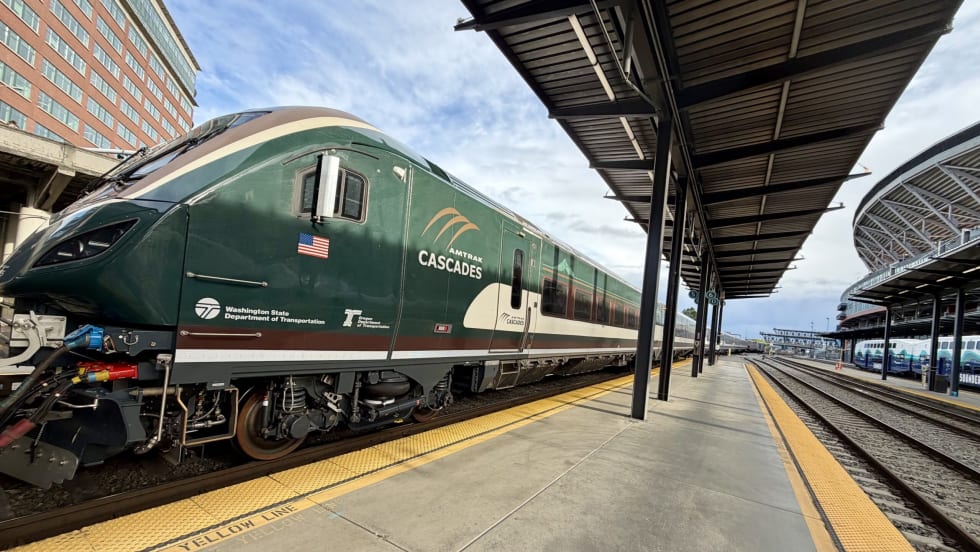
FRA Announces $5.3B in Rail Investments, Including $2B for Amtrak
Funding will support grade-crossing improvements, infrastructure upgrades, and new Amtrak equipment in 23 states.
Read More →
Finding the ‘Happy Medium’: Optimizing Maintenance Without Sacrificing Reliability
The key to maintenance optimization isn’t doing less work—it’s doing the right work at the right time on the right assets.
Read More →
People Movement: MARTA Drops Interim Tag on GM/CEO Hunt and More
In this edition, METRO covers recent appointments and announcements at the FMCSA, HDR, SilverRide, and more, showcasing the individuals helping to shape the future of transportation.
Read More →
VIA Metropolitan Transit Reports 2 Million More Passenger Trips as Better Bus Plan Gains Momentum
San Antonio's transit agency said accelerated service improvements are driving ridership growth, offering another example of how increased frequency and workforce investments can translate into stronger transit performance.
Read More →
ABAF Study Reveals Growing Insurance Crisis for Motorcoach Operators
Preliminary findings show 98% of operators faced premium increases over the past five years, while shrinking insurer participation is putting added pressure on businesses and customers.
Read More →
PSTA Modernizes Workforce Management with Digital Bidding System
The award-winning Workforce Transit Modernization project replaced paper bidding with a transparent digital platform, cutting administrative effort while improving access for operators.
Read More →
Chicago to Host Public Transportation's Biggest Gathering at APTA TRANSform & EXPO 2026
North America’s largest public transportation gathering returns to Chicago, connecting transit decision-makers with the technologies, ideas, and partnerships driving the industry forward.
Read More →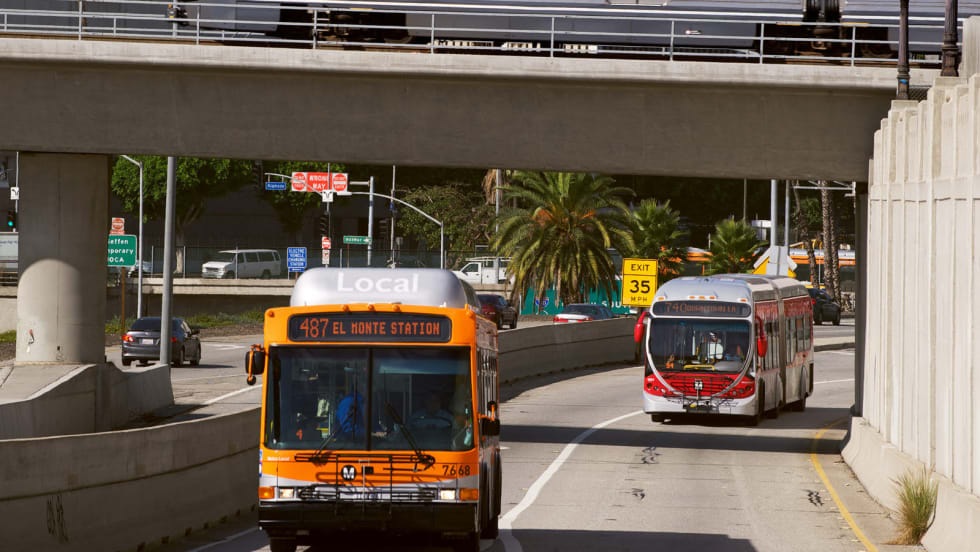
New Tricks for Old Bureaucracies: Joshua Schank on Making Transit Innovation Stick
Former LA Metro Chief Innovation Officer Joshua Schank discusses why good ideas aren't enough, how transit agencies can overcome resistance to change, and why today's challenges demand more innovation.
Read More →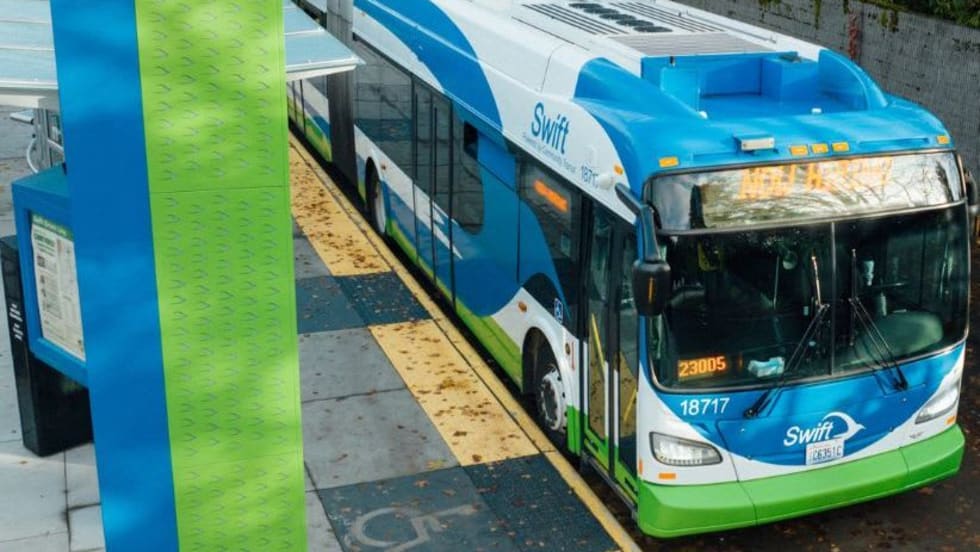
Washington's Community Transit Sets Six-Year Roadmap for Growth, Expansion
Approved TDP targets more bus service, new mobility options, Swift BRT expansion, and a potential Everett Transit annexation.
Read More →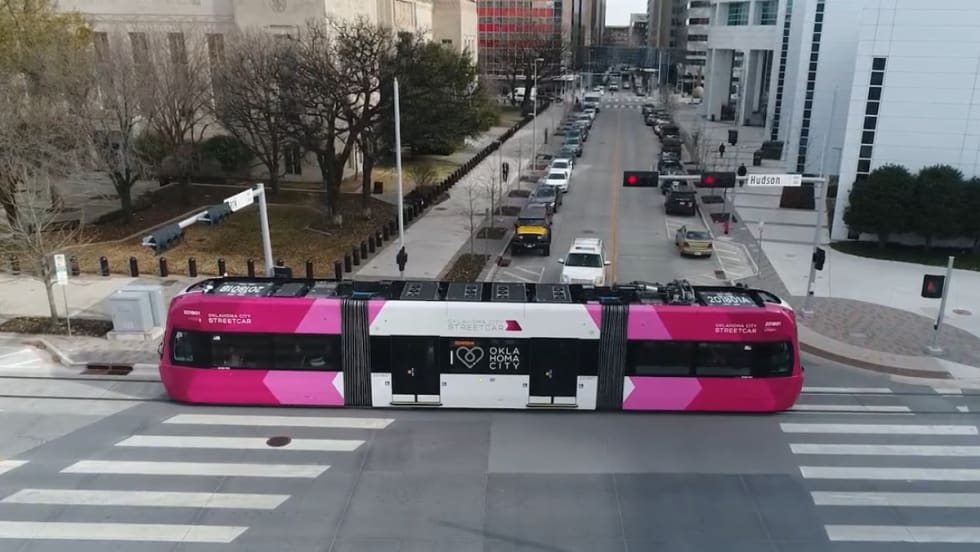
OKC Streetcar Makes Zero-Fare Service Permanent
Ridership increased an average of 71% compared with the same period a year earlier during the fare-free pilot.
Read More →