



Bombardier's Olympic torch to arrive at Games
Bombardier manufactured 12,000 torches — one for each torchbearer — with final assembly completed by hand in Montreal, Quebec.

On Thursday, the 2010 Olympic Torch, which was designed and manufactured by Bombardier Inc., will transport the Olympic Flame to the Host City of Vancouver after traveling approximately 28,000 miles across Canada through snow, rain, hail, wind and sub-zero temperatures.
In collaboration with the Vancouver Organizing Committee for the 2010 Olympic and Paralympic Winter Games, Bombardier engineers and industrial designers spent more than two years designing and testing the 2010 Olympic Torch.
Inspired by the contours of Canada's winter landscape, the design of the 2010 Olympic Torch symbolizes the tracks created in snow and ice by winter sports. A fuel blend of propane and isobutane allows the torch to burn in colder temperatures than any other torch in Olympic history. A vent in the side of the torch allows the Olympic Flame to unfurl like a flag.
Prototypes of the torch were tested in a weather simulation chamber before the final design was put to the test in Canada's bone-chilling winter. Bombardier manufactured 12,000 torches — one for each torchbearer — with final assembly completed by hand in Montreal, Quebec.
More Rail
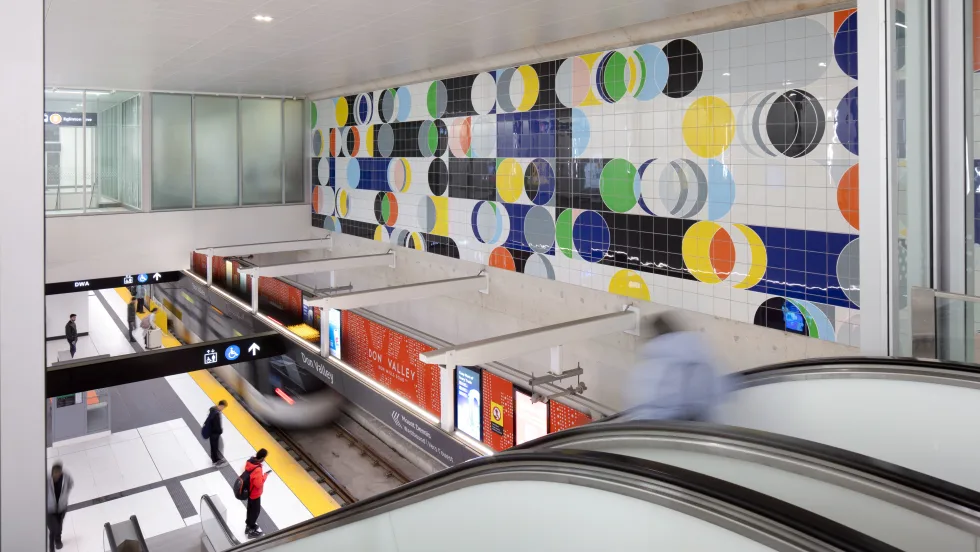
How Gen Z's Changing Mobility Habits Are Reshaping Public Transit
As younger generations embrace multimodal mobility over private vehicles, transit agencies can rethink station design, the passenger experience, and public transportation's role in building connected communities.
Read More →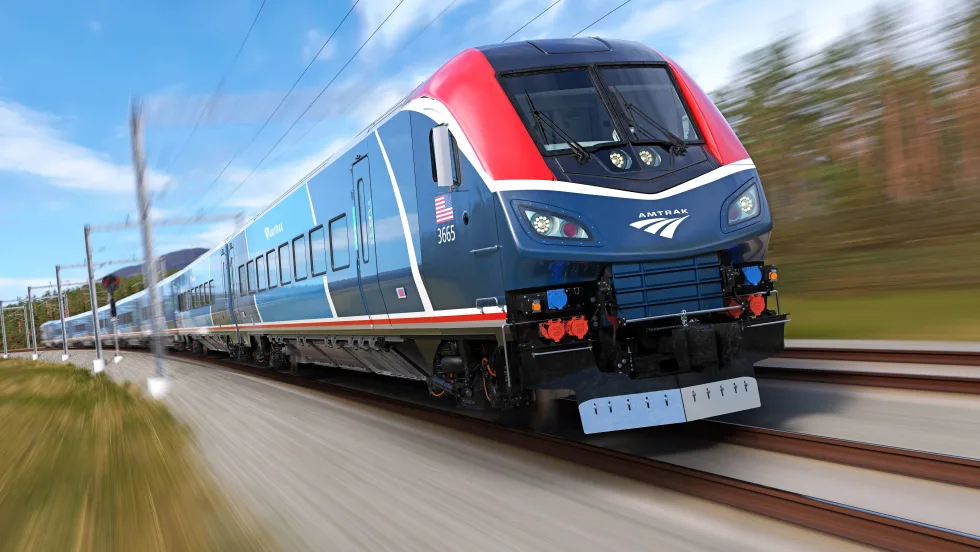
Amtrak Expands Airo Fleet with Eight Higher-Capacity Trainsets
The new 10-car trains, expected to enter service in 2031, will provide about 34% more seating capacity to meet growing demand on the Northeast Corridor.
Read More →
APTA Urges FTA to Withdraw Proposed Capital Investment Grants Guidance
The association warns that proposed changes could delay transit projects, reduce federal funding, and create new hurdles for 47 projects currently in the CIG pipeline.
Read More →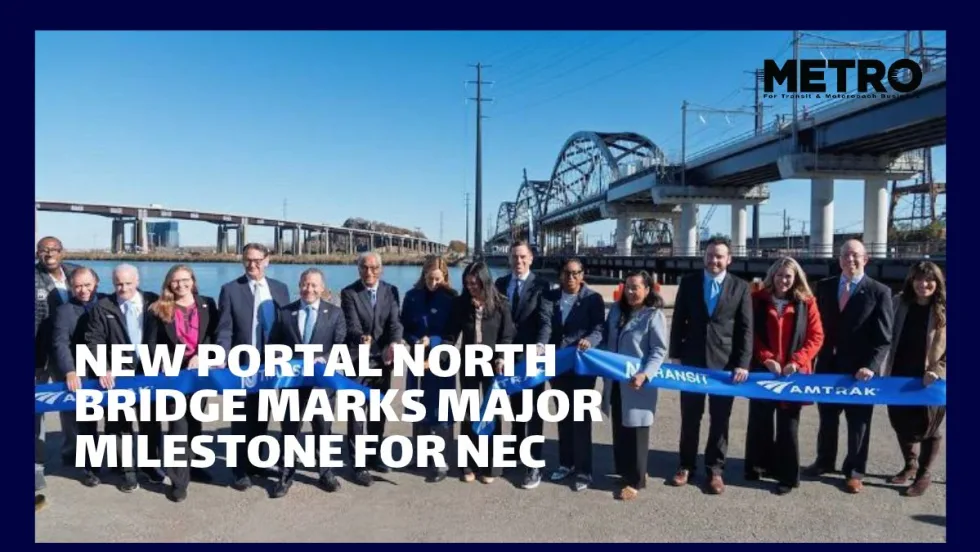
Amtrak, NJ TRANSIT Launch Full Service on New Portal North Bridge
The completion of the two-track bridge over the Hackensack River eliminates a longstanding source of delays for NJ TRANSIT and Amtrak customers. It marks a major milestone for the Gateway Program.
Read More →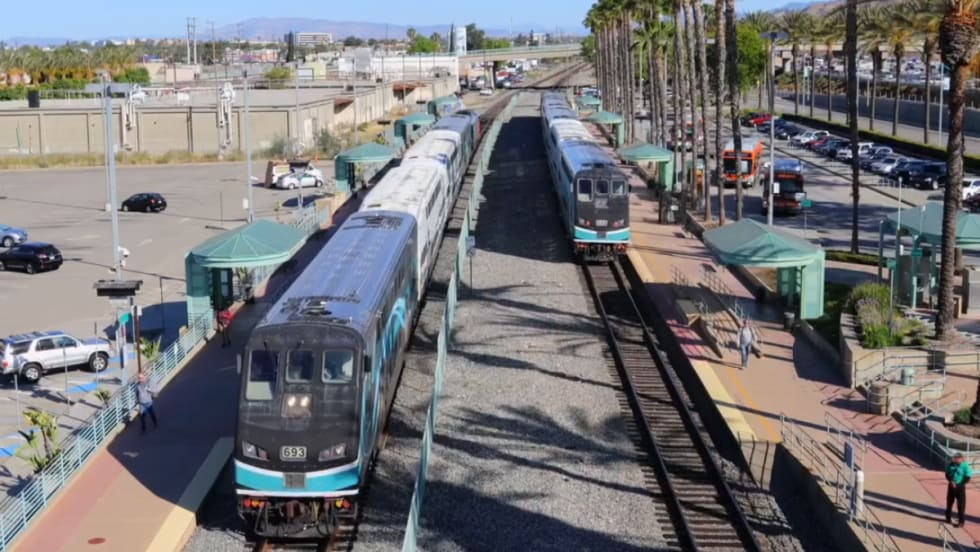
Southern California’s Metrolink Approves $508.8M Budget, Avoids Service Cuts
A $20 million state allocation allows the regional rail agency to maintain existing weekday and weekend service through fiscal year 2028, although longer-term funding challenges remain.
Read More →
NJ TRANSIT Approves $65.6M for Hudson-Bergen Light Rail Improvements
The funding marks the first phase of a planned $250 million investment over five years to modernize stations, overhaul vehicles, and improve system reliability and passenger safety.
Read More →
STraffic Expands North American Presence with Fare Collection Technology
John Moon, Associate Director, Product Strategy at STraffic, discusses the company's growth in North America, its efforts to reduce fare evasion, and more.
Read More →
Study: Denver RTD Generates $2.1 Billion in Annual Economic Activity
An economic impact study finds the agency supports approximately 17,500 jobs, delivers $1.6 billion in annual community and mobility benefits, and generates $2.42 in economic value for every dollar invested.
Read More →
Mark Aesch Nominated to Lead Federal Transit Administration
The former Rochester transit chief and TransPro founder, who has also contributed to METRO Magazine, brings decades of industry experience and a focus on performance, accountability, and financial sustainability to the nomination.
Read More →
Transit Expands Agency Partnerships, Reaching 200 Official App Partners
COO Jake Sion discusses Transit’s growth, the success of its Transit Royale program, and how technology is helping agencies improve the rider experience.
Read More →