



Boston's MBTA Graduates Large Group of Heavy Rail Operators
The milestone achievement is a significant step forward in the MBTA's ongoing efforts to maintain reliability and provide consistent Red, Orange, and Blue Line service.

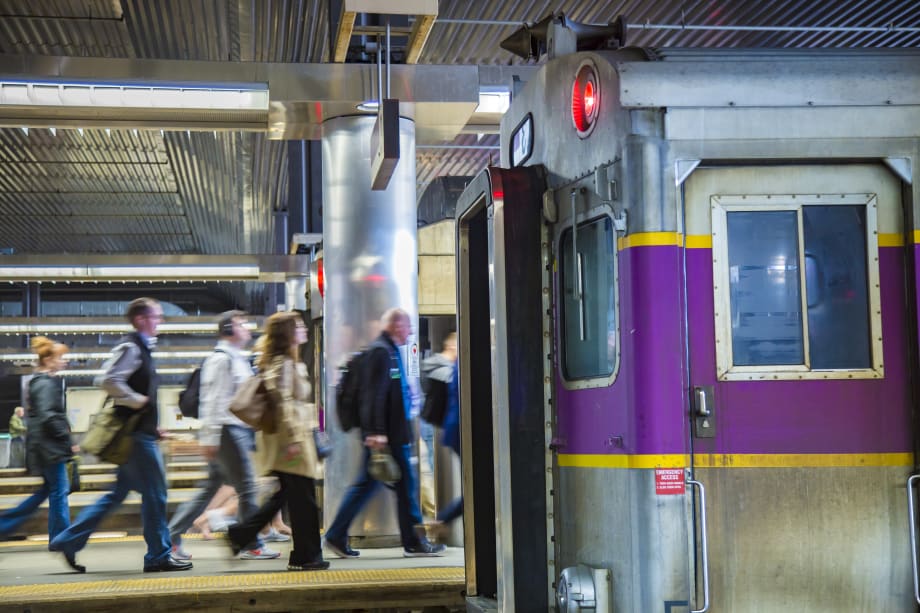
Hands-on training equipped motorperson graduates with the skills necessary for safe and efficient operation, which included yard familiarization training where they learned how to interpret track signals and maneuver rail vehicles safely.
Photo: MBTA
Boston’s MBTA announced the graduation of another large class of heavy rail motorpersons, continuing the momentum of previous efforts to increase graduating class sizes from the MBTA’s Training School.
The milestone achievement is a significant step forward in the MBTA's ongoing efforts to maintain reliability and provide consistent Red, Orange, and Blue Line service.
“The skills and expertise that these motorpersons have gained at the Training School will contribute to the MBTA’s mission of providing safe and reliable service. We can see from their enthusiasm that they embrace public service and they’re excited to be part of our team,” said MBTA GM/CEO Phillip Eng. “From Day One, the Healey-Driscoll Administration has made rebuilding our workforce a priority, and thanks to the Governor’s leadership, we are more competitive and the results are telling. We’re attracting talented individuals like these graduates who are now providing quality service to our riders.”
Training MBTA Motorpersons
The MBTA has made great strides in increasing the class size of motorpersons in training and is now graduating the largest number of graduates in 18 years.
A class size of 23 is now the standard at the Training School. Of the 23 motorpersons recently hired, as of March 27, 20 in total will have graduated from the MBTA’s Training School. This class of graduates joins a cohort of 23 motorpersons in training in October 2023 that resulted in 19 new heavy rail motorpersons.
The graduating class of highly trained professionals successfully completed the Training School’s rigorous program that prepared them to operate the MBTA's heavy rail system — consisting of Red, Orange, and Blue Line vehicles — safely and efficiently.
The comprehensive training included classroom instruction, hands-on experience, and extensive safety protocols, ensuring that each graduate is well-equipped to handle the demands of the job.
Hands-on training equipped motorperson graduates with the skills necessary for safe and efficient operation, which included yard familiarization training where they learned how to interpret track signals and maneuver rail vehicles safely.
Additionally, trainees toured the carhouse and maintenance facility to gain a comprehensive understanding of train movement within the yard and how maintenance facilities prepare vehicles for passenger service.
With the MBTA’s commitment to safety, this approach to training ensures that new motorpersons have the knowledge and practical skills necessary to operate trains safely and efficiently, ultimately contributing to a smoother and more reliable experience for riders, according to the agency.
Growing MBTA’s Workforce
The MBTA’s overall efforts to continue to rebuild its workforce are focused on diversity, recruitment, retention, skills training, and leadership development to cultivate the workforce needed to operate and maintain a modern transportation system.
The MBTA has invested in restructuring the senior leadership team; improving frontline teams, safety protocols, engineering, and planning; and workforce development and training to ensure employees can effectively fulfill their responsibilities.
The MBTA has exceeded hiring over 1,400 employees in 2023, surpassing a goal set by the Healey-Driscoll Administration, whose investment of $20 million in the supplemental budget also supported the Local 589 Agreement critical to the MBTA hiring efforts.
More Rail
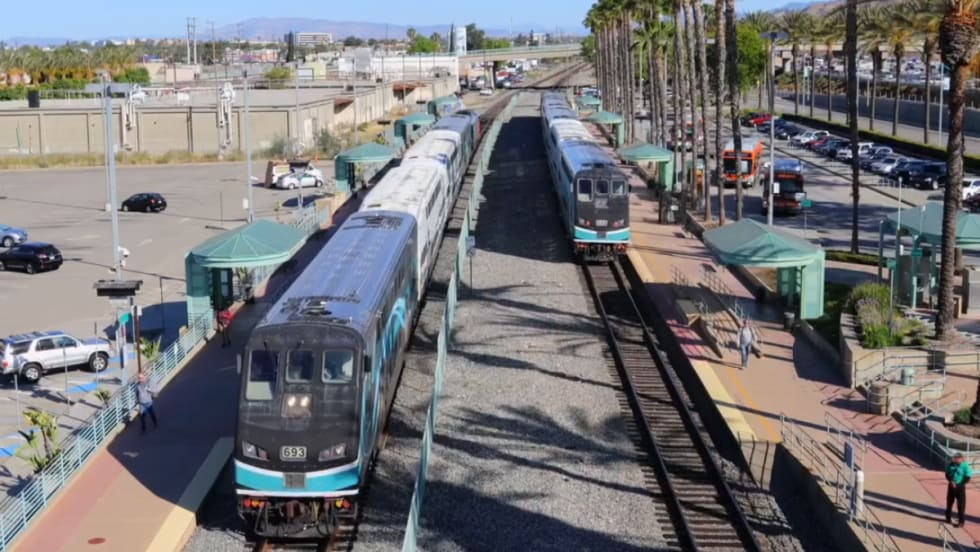
Southern California’s Metrolink Approves $508.8M Budget, Avoids Service Cuts
A $20 million state allocation allows the regional rail agency to maintain existing weekday and weekend service through fiscal year 2028, although longer-term funding challenges remain.
Read More →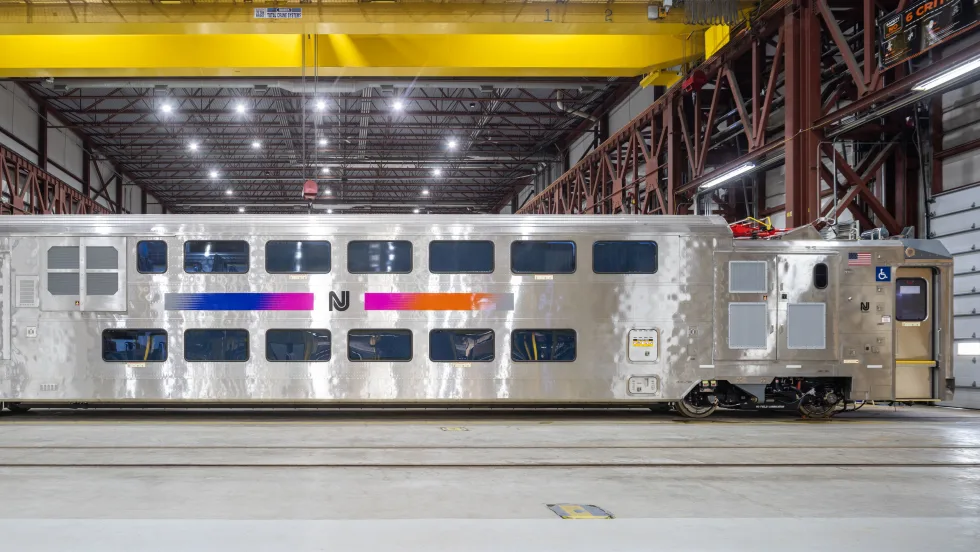
NJ TRANSIT Approves $65.6M for Hudson-Bergen Light Rail Improvements
The funding marks the first phase of a planned $250 million investment over five years to modernize stations, overhaul vehicles, and improve system reliability and passenger safety.
Read More →
STraffic Expands North American Presence with Fare Collection Technology
John Moon, Associate Director, Product Strategy at STraffic, discusses the company's growth in North America, its efforts to reduce fare evasion, and more.
Read More →
Study: Denver RTD Generates $2.1 Billion in Annual Economic Activity
An economic impact study finds the agency supports approximately 17,500 jobs, delivers $1.6 billion in annual community and mobility benefits, and generates $2.42 in economic value for every dollar invested.
Read More →
Mark Aesch Nominated to Lead Federal Transit Administration
The former Rochester transit chief and TransPro founder, who has also contributed to METRO Magazine, brings decades of industry experience and a focus on performance, accountability, and financial sustainability to the nomination.
Read More →
Transit Expands Agency Partnerships, Reaching 200 Official App Partners
COO Jake Sion discusses Transit’s growth, the success of its Transit Royale program, and how technology is helping agencies improve the rider experience.
Read More →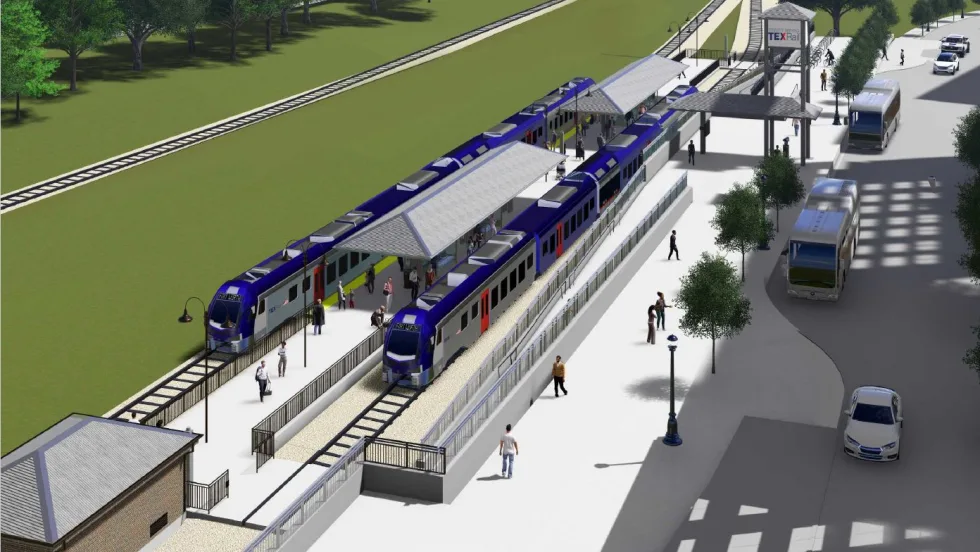
Trinity Metro Breaks Ground on $270M TEXRail Extension
The 2.1-mile extension will connect Fort Worth’s Medical District and Near Southside to downtown, surrounding communities, and Dallas-Fort Worth International Airport.
Read More →
Bringing Austin’s First Light Rail System to Life
Austin Transit Partnership CEO Greg Canally discusses the city's nearly 10-mile light rail project, its collaborative approach to project delivery, the importance of community engagement, and the milestones ahead as construction approaches in 2027.
Read More →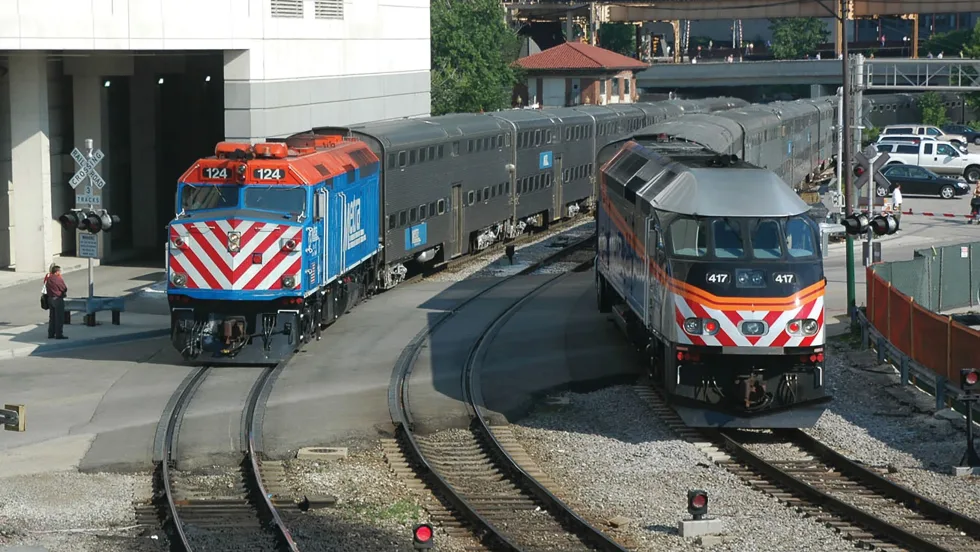
Metra Draft Plan Outlines Costs, Service Improvements for Regional Rail
The Systemwide Network Plan identifies infrastructure needs and potential investments to expand all-day, bidirectional rail service across the Chicago region.
Read More →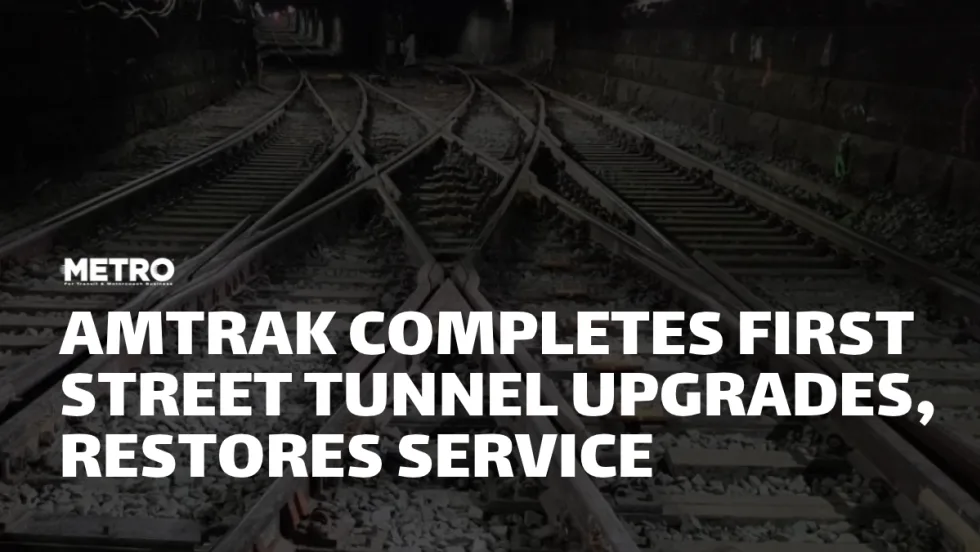
Amtrak Completes First Street Tunnel Upgrades, Restores Service
The nine-day construction project included replacing aging track infrastructure and modernizing switch systems near Washington Union Station.
Read More →