



BYD delivers 3 electric buses to Md. transit agency
A cutting-edge inductive charging station will be installed on Howard County Transit's Green Line in downtown Columbia, Md., one of America’s most successful planned communities.

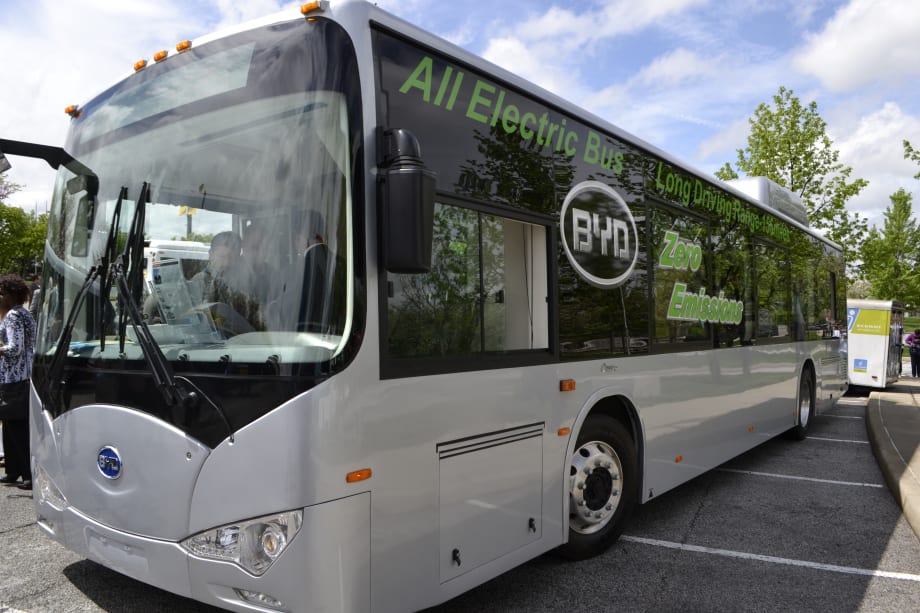
BYD announced that Howard County Transit, a division of the Regional Transit Authority of Central Maryland (RTA), received delivery of three, 35-foot BYD K9S battery-electric, zero-emission buses.
A cutting-edge inductive charging station will be installed on the Green Line in downtown Columbia, Md., one of America’s most successful planned communities. As the bus drives over this and pauses, this system will give the batteries a quick boost of energy through electromagnetic induction, all without making any direct contact with the bus. The buses can also be plugged in to charge fully before and after service. Combining inductive and plug-in charging, the buses have the range to complete any route in the Howard County system.
The Center for Transportation and the Environment (CTE) will evaluate the energy efficiency and cost effectiveness of the all-electric bus program. The project is funded by the Federal Transit Administration through the Transit Investments for Greenhouse Gas and Energy Reduction Program.
“I want to congratulate Howard County on being the first to bring green bus transportation to the state of Maryland,” said Macy Neshati, sr. VP at BYD Heavy Industries. “We know this was the right choice for Howard County, as it is for so many communities across the country, and we look forward to the real-world data that CTE’s study produces on the effectiveness of battery-electric bus technology.”
The BYD K9S 35-foot bus has a range of 161 miles on a single charge.
More Technology

ETA CEO John Maglio on Transit Technology, Innovation, and Building Agency Trust
ETA founder and CEO John Maglio explores the evolution of transit technology, the importance of reliable systems, and how stronger partnerships can help agencies improve operations and the passenger experience.
Read More →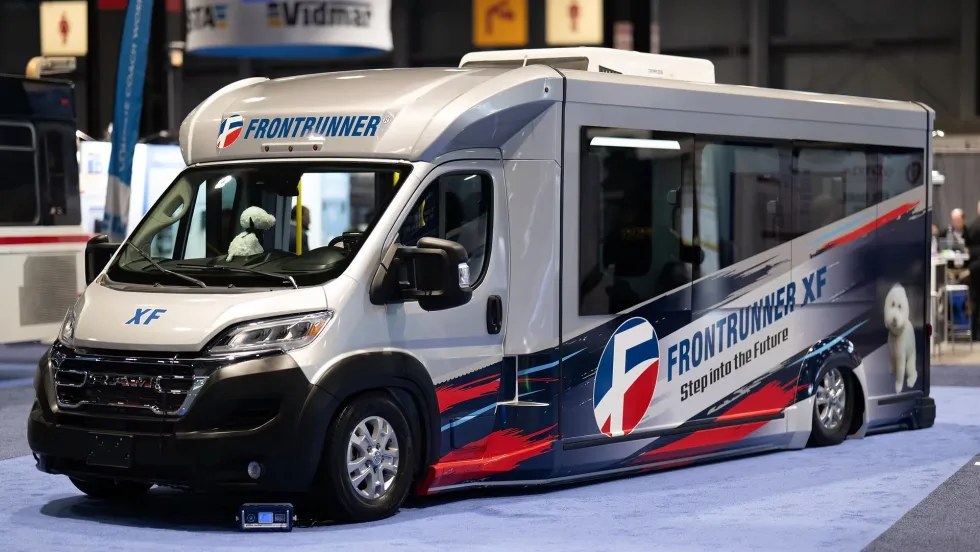
Frontrunner Bus Group Introduces XF Low-Floor Bus with Enhanced Accessibility
The new mid-sized bus features a full flat-floor design, eight-inch curbside step-in height, and zero-entry rear ramp to improve passenger access and operational flexibility.
Read More →
Building a Flexible Path to Transit Electrification with BAE's John Hroncich
John Hroncich discusses BAE Systems’ modular and scalable approach, lessons learned from decades of real-world operations, and how agencies can identify electrification strategies that fit their fleets.
Read More →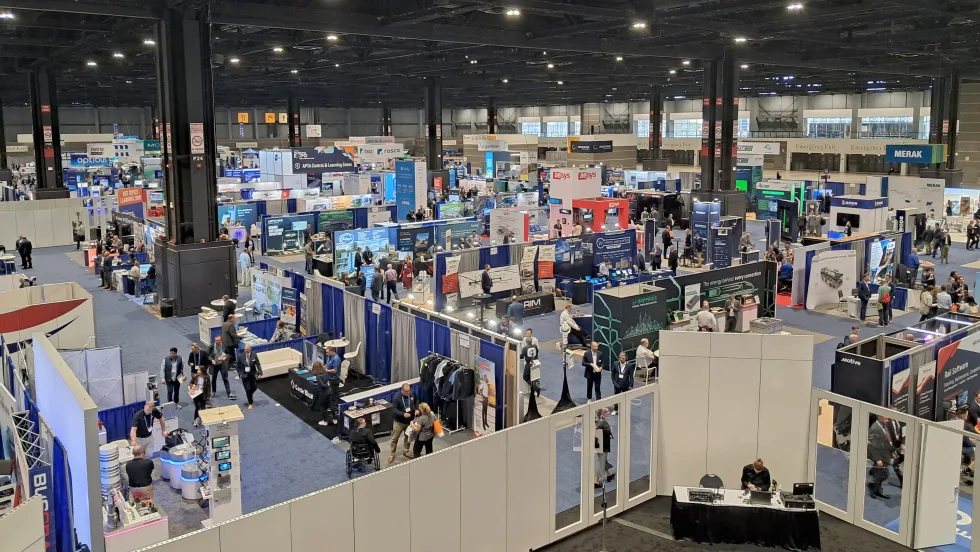
Scenes from APTA TRANSform & EXPO 2026
Transit leaders, manufacturers, and industry professionals gathered in Chicago to explore new technologies, share ideas, and discuss the future of public transportation.
Read More →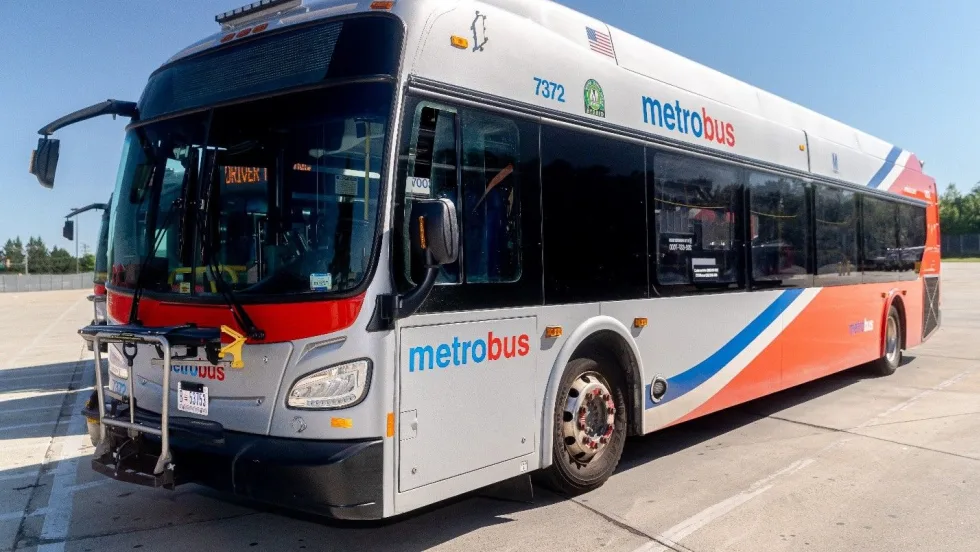
Biz Briefs: New Flyer Secures Additional 100-Bus Order from WMATA and More
In METRO's latest installment, we also take a look at recent news from Masabi, MCI, Samsara, and more partnerships making headlines across the transportation sector.
Read More →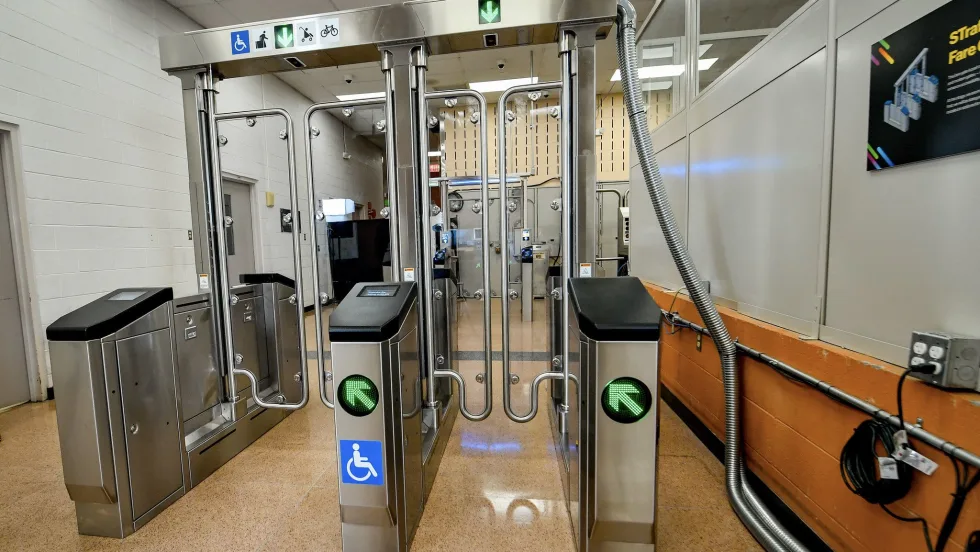
MTA Fare Gate Pilot Reduces Fare Evasion by 35%
Following a 20-station pilot, the agency plans to install new fare gates at 20 additional subway stations as part of a $1.1 billion modernization initiative.
Read More →
California Law Extends AC Transit’s Bus Lane Camera Enforcement
The new law allows AC Transit to continue using forward-facing bus cameras to enforce parking violations in bus-only lanes and at bus stops.
Read More →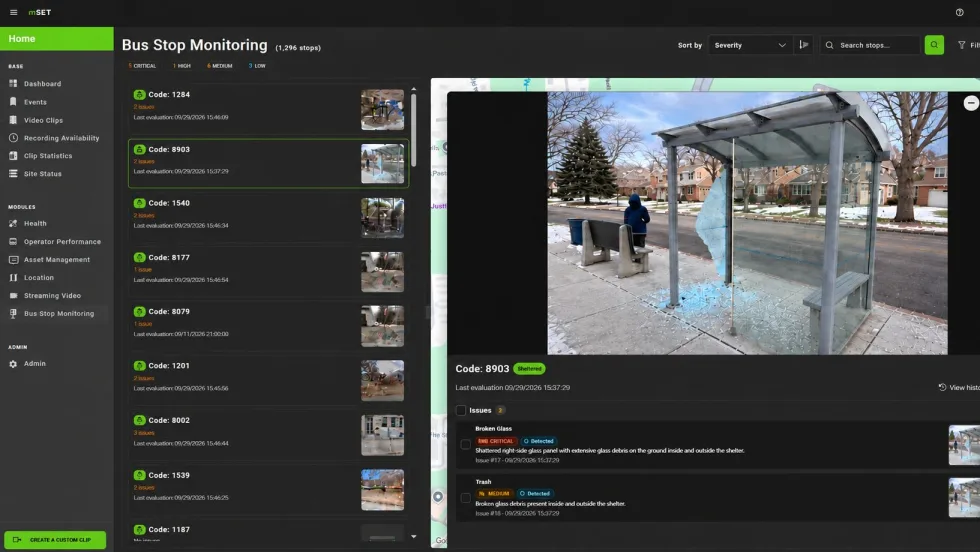
Biz Briefs: Luminator Launches AI Technology to Monitor Bus Stop Conditions and More
In METRO's latest installment, we also take a look at recent news from Masabi, Troman Industries, ioki, CCW, and more partnerships making headlines across the transportation sector.
Read More →
Public Transit Conference Returning to GFX in 2027, Call for Papers Now Open
The Call for Papers is now open, allowing transit agency professionals and industry experts to help shape the PTC educational program by submitting session ideas for consideration.
Read More →
ENC Lands MATA Contract and More in Biz Briefs
In this edition of Biz Briefs, we spotlight the latest developments shaping the future of mobility.
Read More →