



Calif. college extends transit pass program
Eighty-five percent of voting students district-wide approved an initiative that authorized Mt. San Jacinto College's board of trustees to implement a $6 fee per semester to subsidize the Go-Pass program, which was slated to end in August when current funding expires.

Students at Calif.-based Mt. San Jacinto College (MSJC) voted overwhelmingly to extend the popular Go-Pass program, which puts them in a position to get unlimited rides on Riverside Transit Agency (RTA) buses for the next five years.
Eighty-five percent of voting students district-wide approved an initiative that authorized the MSJC board of trustees to implement a $6 fee per semester to subsidize the Go-Pass program, which was slated to end in August when current funding expires. More than 800 students voted during the four-day election.
"Students have sent a strong message that they value this program and are eager for it to continue," said RTA Chairman of the Board Bob Buster. "The Go-Pass program has exceeded our expectations and we are pleased that a growing number of students are choosing RTA for their travel needs."
Launched in August of 2010, the MSJC Go-Pass Program enabled registered students to ride RTA's fixed-route and CommuterLink buses for free by flashing their student identification cards. A college survey conducted prior to the program's launch showed that only one-half of 1 percent of MSJC students used the bus, or 103 of the college's 21,000 students. Since then, ridership has hovered around 20,000 student boardings each month.
During the program's first year, RTA partnered with the cities of Banning, Beaumont, Canyon Lake, Hemet, Lake Elsinore, Menifee, Murrieta, Perris, San Jacinto, Temecula and Wildomar and the County of Riverside to use state air quality improvement funds to fuel the program. Beginning this fall, it could be the students themselves who will subsidize the transit program.
MSJC is part of a growing list of colleges and universities offering Go-Pass or U-Pass programs, including UC Riverside, Cal Baptist University, La Sierra University, Moreno Valley College and Riverside City College.
More Bus
Brian Dickson on Building Stronger, More Resilient Transportation Organizations
Bus Business Consultants Founder Brian Dickson discusses the leadership principles, operational discipline, and strategic planning that separate transportation companies positioned for long-term success from those stuck in survival mode.
Read More →
LA Metro Breaks Ground on Vermont BRT Project
The 12.4-mile corridor is projected to serve 66,200 daily riders, reduce travel times by up to 24%, and create the nation's busiest bus rapid transit corridor.
Read More →
Roman Cornell on ABC Companies’ Evolution and the Future of Passenger Transportation
The company’s CEO discusses carrying forward a third-generation family legacy, ABC’s continued evolution in passenger transportation, support for increasingly complex fleets, and how technology and continued investment could help operators improve uptime.
Read More →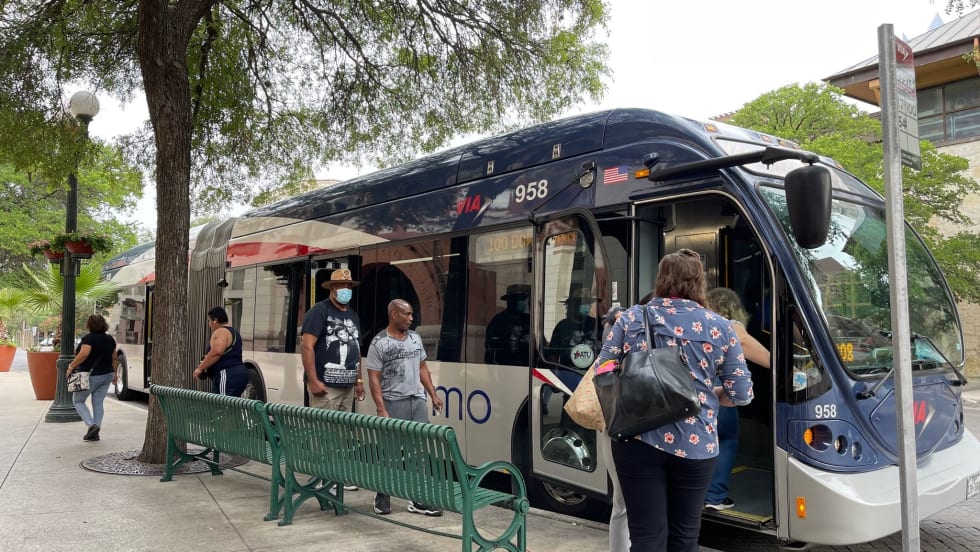
VIA Bus Ridership Grows 10.1% Through August 2026
San Antonio's VIA Metropolitan Transit reported the highest bus ridership growth among major Texas transit systems. Federal Transit Administration data ranked it second among the nation's 50 largest transit systems.
Read More →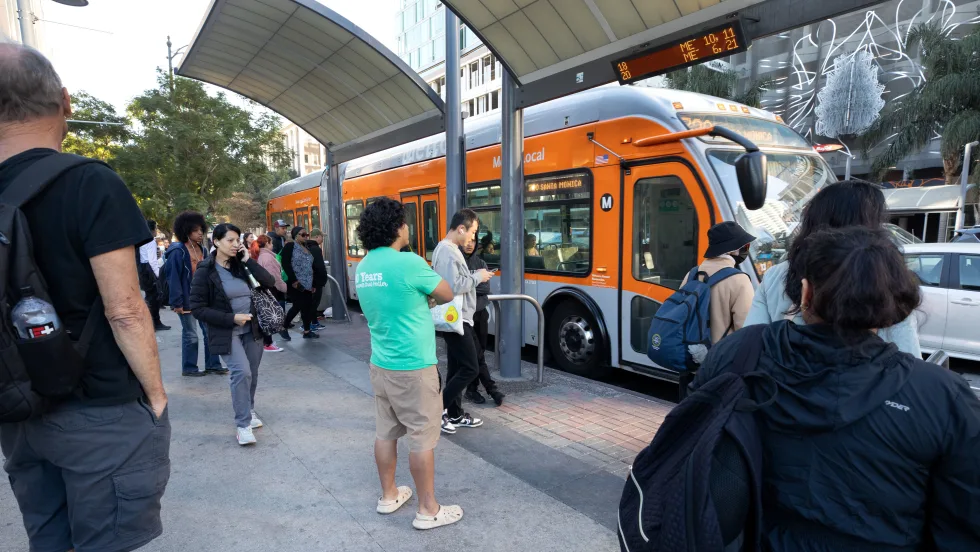
LA Metro September Ridership Climbs 3.9%, Led by Rail Growth
The agency recorded more than 27.2 million boardings, with rail ridership increasing 12.4% year over year and the D Line posting the largest gains.
Read More →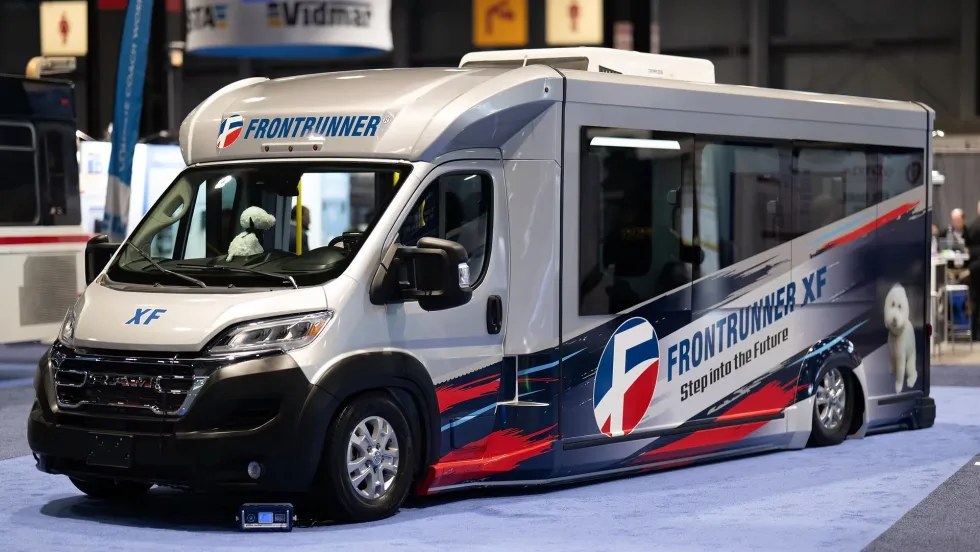
Frontrunner Bus Group Introduces XF Low-Floor Bus with Enhanced Accessibility
The new mid-sized bus features a full flat-floor design, eight-inch curbside step-in height, and zero-entry rear ramp to improve passenger access and operational flexibility.
Read More →
Scenes from APTA TRANSform & EXPO 2026
Transit leaders, manufacturers, and industry professionals gathered in Chicago to explore new technologies, share ideas, and discuss the future of public transportation.
Read More →
More Than a Summer Job: Building the Next Generation of Transit Talent
The Delaware River Port Authority and PATCO have transformed their internship program into a hands-on professional development experience that introduces students to the breadth of transportation careers — and creates a pipeline for future employees.
Read More →
LA Metro Board Awards 220 Battery-Electric Bus Contract to ENC
The contract, which is the largest base award of battery-electric buses by a U.S. transit agency, will be built in Southern California, sustaining good jobs as LA prepares to welcome the world in 2028
Read More →
Public Transit Conference Returning to GFX in 2027, Call for Papers Now Open
The Call for Papers is now open, allowing transit agency professionals and industry experts to help shape the PTC educational program by submitting session ideas for consideration.
Read More →