



Caltrain Electrification Delayed to 2024
The delay is due to a range of factors, including complications in the installation of signal systems, unforeseen conditions under Caltrain’s tracks, and the COVID-19 pandemic, which disrupted supply chains necessary to the project.
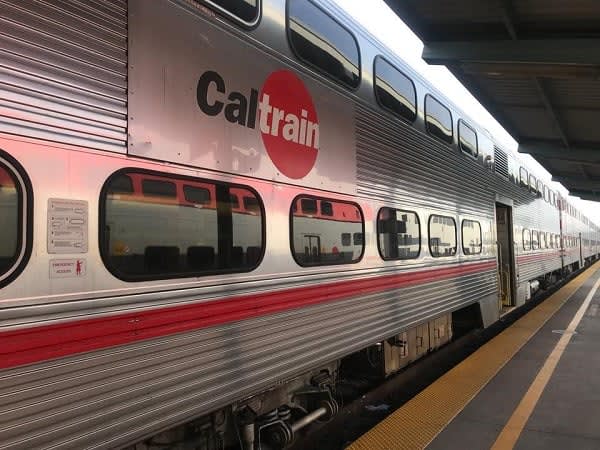
As owner/operator of Caltrain, the Joint Powers Board created the Peninsula Corridor Electrification Project to upgrade and electrify Caltrain’s nearly 52-mile doubletrack commuter rail system from San Francisco to San Jose, California.
Caltrain/Facebook
Caltrain’s launch of electrified service has been delayed until late 2024, due to a range of factors, including complications in the installation of signal systems, unforeseen conditions under Caltrain’s tracks, and the COVID-19 pandemic, which disrupted supply chains necessary to the project.
The delay was announced at a Joint Powers Board (JPB) meeting on June 3, and is currently being reviewed by the Federal Transit Administration (FTA).
As owner/operator of Caltrain, the Joint Powers Board (JPB) created the Peninsula Corridor Electrification Project (PCEP) to upgrade and electrify Caltrain’s nearly 52-mile doubletrack commuter rail system from San Francisco to San Jose, California.
To date, 75% percent of foundations for the catenary poles are complete, while 60% of the poles have been installed. Currently, all of the 10 traction power facilities are under construction, and the overhead contact system has been installed in all of Caltrain’s four tunnels. Additionally, the first electric trainset has been completed and is currently being tested at the Transportation Technology Center in Pueblo, Colorado.
Based on the progress so far, and design and construction work remaining, the FTA prepared and provided a draft Risk Refresh Report to Caltrain, estimating that the project will need an additional $333 million, increasing the project cost by nearly 16%, from $1.98 billion to $2.3 billion. Of the $333 million in forecasted costs, Caltrain has identified a funding plan for the known and allocated costs of $161 million. The remaining $172 million is in unallocated costs that has been set aside as a reserve for unknown risks. The agency will reportedly be developing a funding plan over the next several months in coordination with the project funding partners.
“These delays are disappointing, because the electrification of Caltrain is desperately needed,” said Caltrain Executive Director Michelle Bouchard. “However, much has already been accomplished, and together with our contractors, funding partners and stakeholders, we will deliver the modern rail service that the Bay Area deserves.”
View additional details about the Caltrain electrification delay.
More Zero Emissions
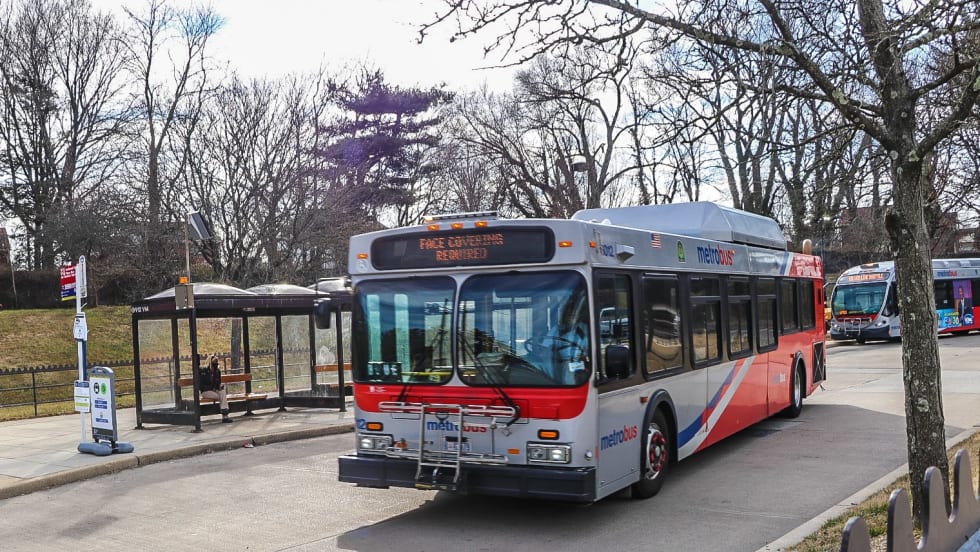
Report: Transit Bus Manufacturing Supports 34,100 Jobs, $5.1B in GDP
The “Buses Mean Business” report examines the transit bus manufacturing industry’s economic footprint, supply chain, and rising demand for vehicle replacements.
Read More →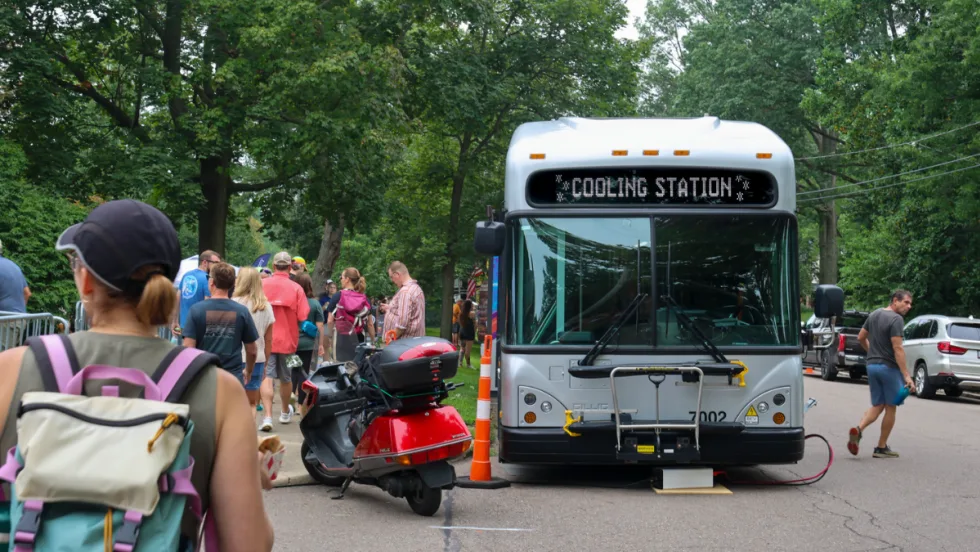
Ohio’s METRO RTA Turns Electric Buses into Mobile Power Sources at PorchROKR
See how three Gillig battery-electric buses powered festival stages while the agency’s new Park & Ride service carried approximately 1,000 attendees, demonstrating another potential use for transit agencies’ electric fleets.
Read More →
CALSTART and Forth Combine to Form Catalyst Mobility
The new name represents a renewed vision for the nonprofit focused on advancing clean, equitable, and affordable transportation solutions that move people and goods.
Read More →
Building a Flexible Path to Transit Electrification
John Hroncich discusses BAE Systems’ modular and scalable approach, lessons learned from decades of real-world operations, and how agencies can identify electrification strategies that fit their fleets.
Read More →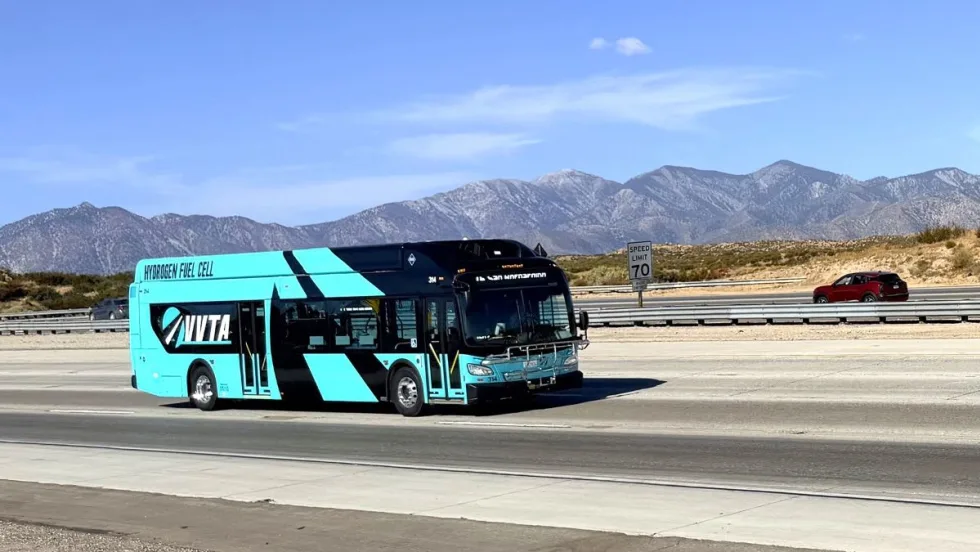
California's VVTA Begins Phased Rollout of Hydrogen Fuel Cell Buses
The agency is introducing 13 zero-emission buses into revenue service while evaluating performance across its urban, rural, and long-distance routes.
Read More →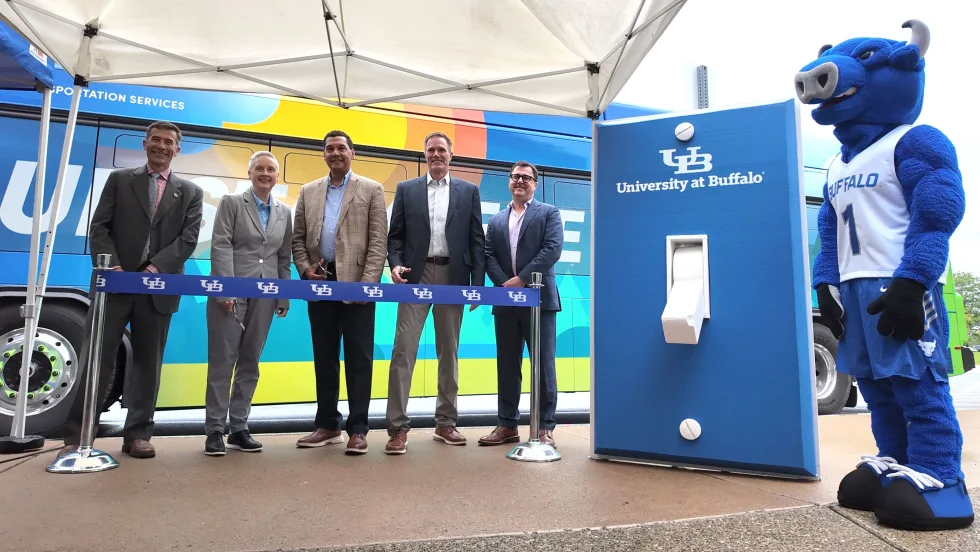
Inside Look: University at Buffalo Puts First 8 Electric Buses Into Stampede Service
UB, transportation solutions provider WeDriveU, and fleet electrification specialist Zenobē marked the deployment in the presence of students, university administrators, and local officials.
Read More →
Biz Briefs: OCTA Taps Clean Energy for Hydrogen Station, Stadler to Supply Via Rail Vehicles, and More
From manufacturers and suppliers to transit agencies and motorcoach operators, these updates offer a snapshot of the projects, partnerships and business moves driving the industry forward.
Read More →
AC Transit’s Cecil Blandon on Building the Next Generation of Transit Maintenance Leaders
The agency’s maintenance chief discusses leadership, workforce development, zero-emission technology, and preparing technicians for the future of public transportation.
Read More →
CTDOT Taps STV for Electric Bus Facility Design
The firm will work with CTDOT and RVT to define the facility layout, operational requirements, and long-term flexibility for RVT’s growing electric fleet.
Read More →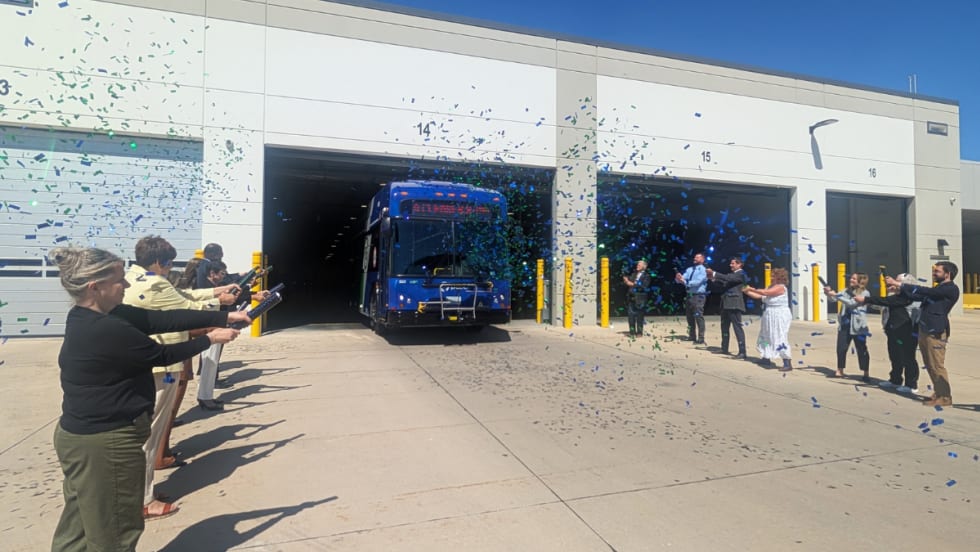
Chicago’s Pace Deploys 24 Hybrid-Electric Buses in Will County
The new buses reduce emissions and fuel consumption while advancing the agency's long-term goal of transitioning to a fully zero-emission fleet.
Read More →