




New Projections: Caltrain Completes Second Clearance Test for Electric Trains
Caltrain, PG&E Celebrate Electrification Project Milestone
Electrification will reduce Caltrain’s greenhouse gas emissions and eliminate the particulate matter caused by the aging diesel engines.
August 30, 2022
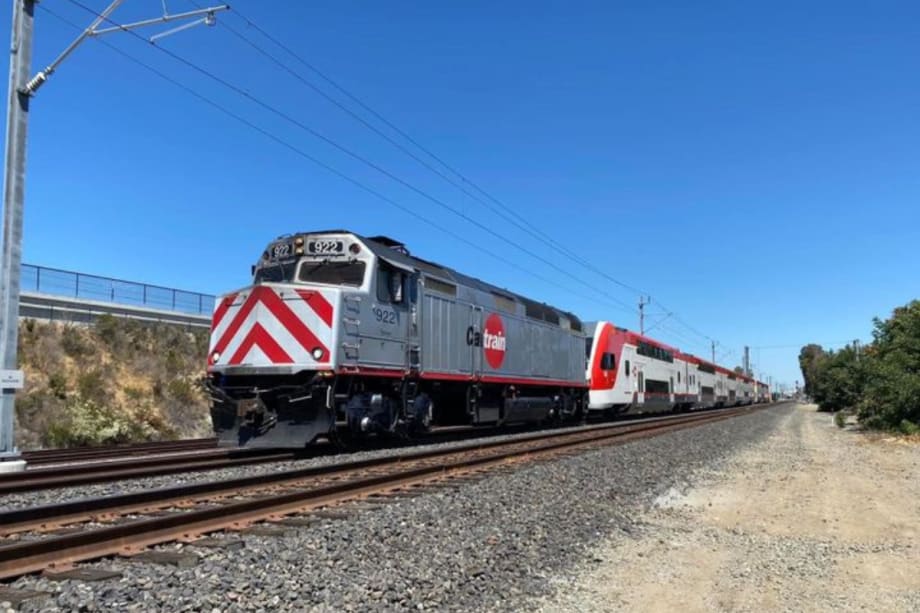
The Caltrain Electrification Project is expected to be completed in 2024.
Photo: Caltrain
2 min to read
For the first time, the Caltrain Traction Power Substation in San Jose was energized with power from Pacific Gas and Electric Company (PG&E), a milestone in the Caltrain Electrification Project that will allow Caltrain to run tests at its facility and along the corridor.
“This is a critical step forward in the Caltrain Electrification project, signifying power availability along a six-mile stretch of the corridor between Santa Clara and San Jose,” said Michelle Bouchard, Caltrain acting executive director. “Before activating this southern segment, we are ensuring that all employees and contractors receive the necessary safety awareness training to work in electrified territory. Availability of power will enable us to begin testing and commissioning the overhead contact system and new EMU trains. We want to thank PG&E for their help and coordination with this complex undertaking.”
Caltrain’s substation in San Jose is also one of two main substations along the Caltrain corridor, with the other one being in South San Francisco. Together, with eight other smaller facilities along the corridor, power substations provide, distribute, and regulate electricity to the overhead wires which will power Caltrain’s new electric trains.
“With this energization, PG&E is proud to help Caltrain modernize and electrify a critical transportation link for the Bay Area and California as a whole,” said Ahmad Ababneh, PG&E electric operations VP of projects and construction. “We couldn’t have achieved this important milestone without the tenacity and nimbleness of the entire PG&E team who worked together to safely construct and upgrade numerous facilities including substations and transmission lines to support Caltrain’s project.”
PG&E’s work to complete the project for Caltrain was needed to be safely conducted while maintaining service to more than 20,000 customers and was also served by the existing infrastructure.
The infrastructure upgrades from PG&E include:
Construction of two, double-circuit 115 kV transmission connections from the East Grand Substation in South San Francisco and the FMC Substation in San Jose to Caltrain traction power stations in those communities.
Rebuilt the East Grand and FMC substations that enabled PG&E to support Caltrain’s request for redundant transmission feeds.
Additional upgrades to three PG&E and two third-party remote end substations.
Electrification will reduce Caltrain’s greenhouse gas emissions and eliminate the particulate matter caused by the aging diesel engines. Engine noise created by the trains will also be reduced.
The Caltrain Electrification Project is expected to be completed in 2024.
More Zero Emissions
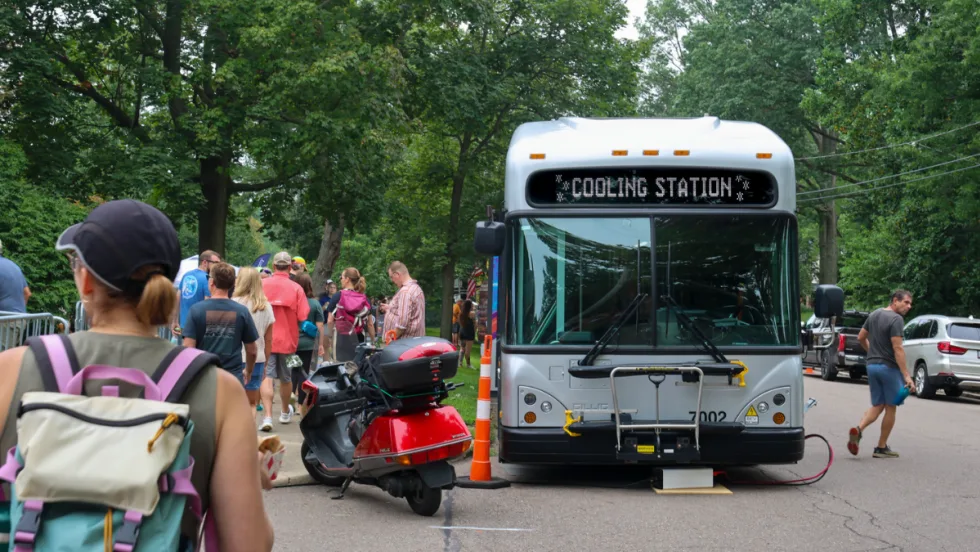
Ohio’s METRO RTA Turns Electric Buses into Mobile Power Sources at PorchROKR
See how three Gillig battery-electric buses powered festival stages while the agency’s new Park & Ride service carried approximately 1,000 attendees, demonstrating another potential use for transit agencies’ electric fleets.
Read More →
CALSTART and Forth Combine to Form Catalyst Mobility
The new name represents a renewed vision for the nonprofit focused on advancing clean, equitable, and affordable transportation solutions that move people and goods.
Read More →
Building a Flexible Path to Transit Electrification
John Hroncich discusses BAE Systems’ modular and scalable approach, lessons learned from decades of real-world operations, and how agencies can identify electrification strategies that fit their fleets.
Read More →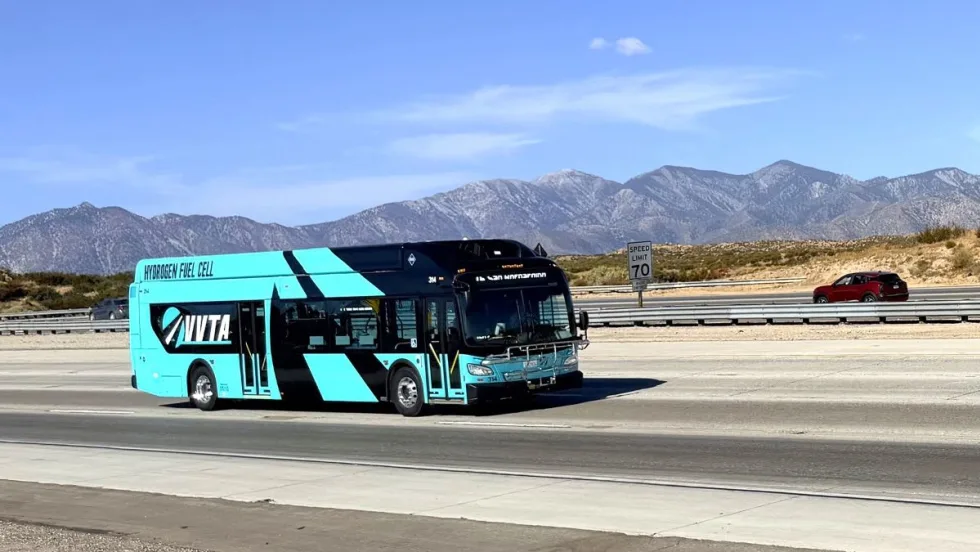
California's VVTA Begins Phased Rollout of Hydrogen Fuel Cell Buses
The agency is introducing 13 zero-emission buses into revenue service while evaluating performance across its urban, rural, and long-distance routes.
Read More →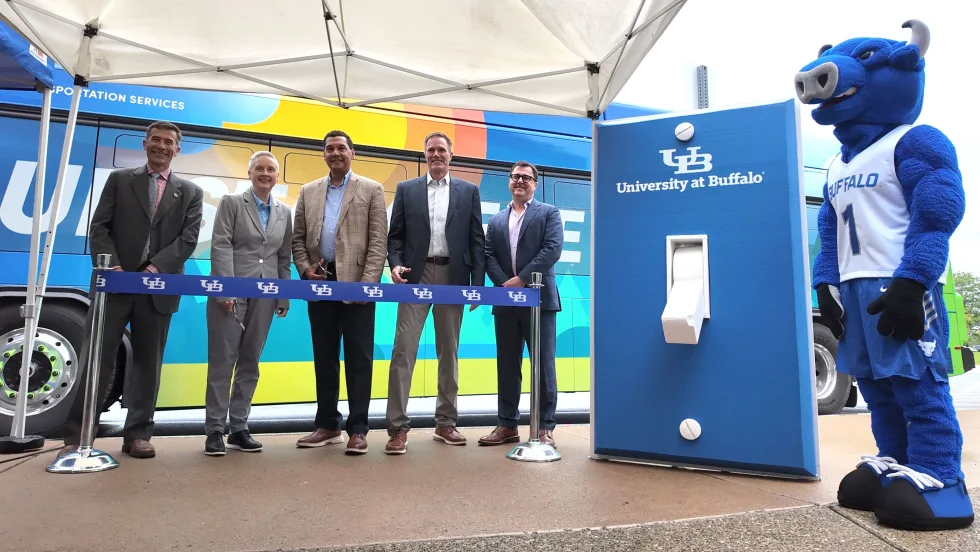
Inside Look: University at Buffalo Puts First 8 Electric Buses Into Stampede Service
UB, transportation solutions provider WeDriveU, and fleet electrification specialist Zenobē marked the deployment in the presence of students, university administrators, and local officials.
Read More →
Biz Briefs: OCTA Taps Clean Energy for Hydrogen Station, Stadler to Supply Via Rail Vehicles, and More
From manufacturers and suppliers to transit agencies and motorcoach operators, these updates offer a snapshot of the projects, partnerships and business moves driving the industry forward.
Read More →
AC Transit’s Cecil Blandon on Building the Next Generation of Transit Maintenance Leaders
The agency’s maintenance chief discusses leadership, workforce development, zero-emission technology, and preparing technicians for the future of public transportation.
Read More →
CTDOT Taps STV for Electric Bus Facility Design
The firm will work with CTDOT and RVT to define the facility layout, operational requirements, and long-term flexibility for RVT’s growing electric fleet.
Read More →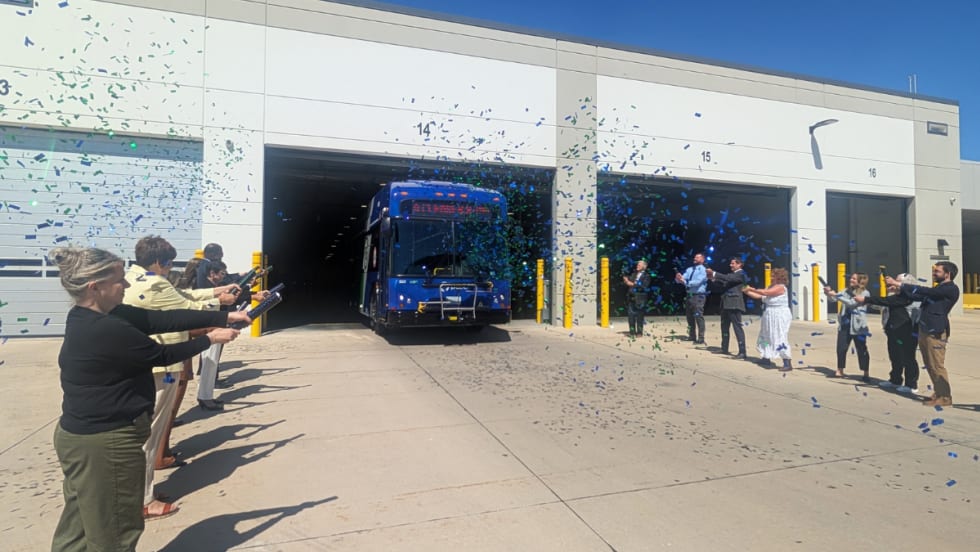
Chicago’s Pace Deploys 24 Hybrid-Electric Buses in Will County
The new buses reduce emissions and fuel consumption while advancing the agency's long-term goal of transitioning to a fully zero-emission fleet.
Read More →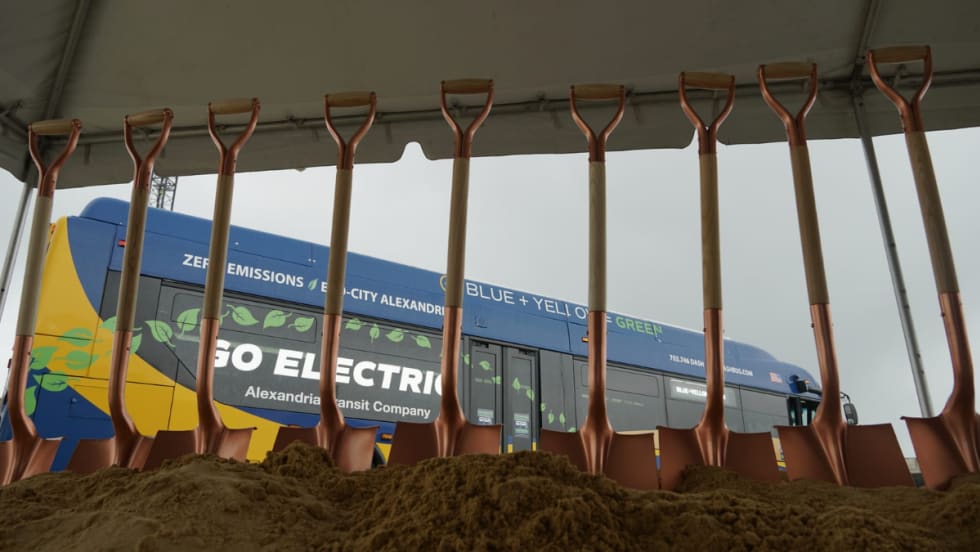
DASH Breaks Ground on First On-Route Electric Bus Chargers in D.C. Region
The fast-charging infrastructure will help extend electric bus range, improve fleet utilization, and support DASH's goal of transitioning to a fully zero-emission fleet.
Read More →