



CCW completes Calif. CNG rehab project
The project will allow the Yolo County Transportation District to continue on its path of providing a cleaner transportation system to its community.

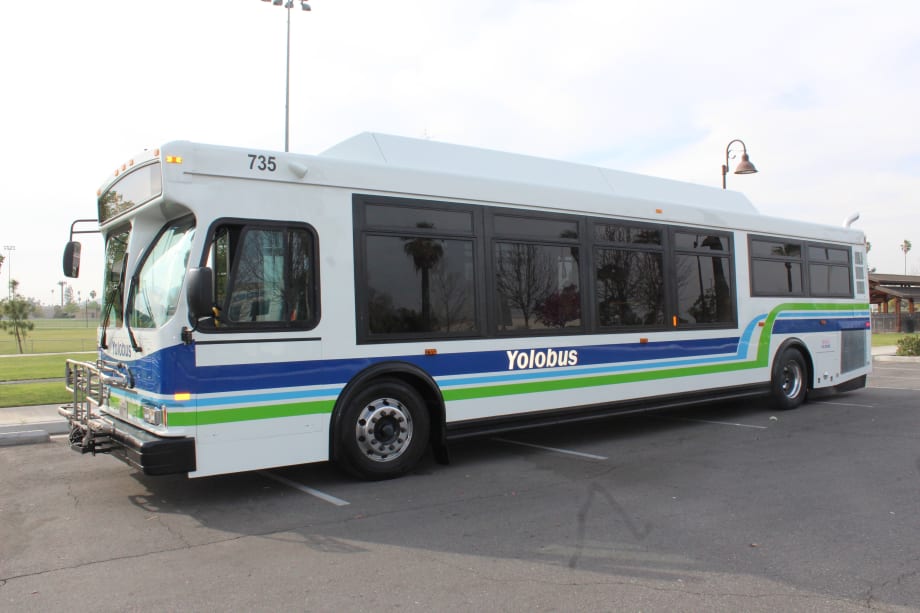
Complete Coach Works (CCW) delivered the final bus for a project to replace CNG engines on seven buses for Yolo County Transportation District, which serves Yolo County, downtown Sacramento and Sacramento International Airport.
“The project will extend the service life of the buses and further reduce engine emissions,” said Kevin O'Brien, general sales manager for CCW.
“Work began in September and the final bus was completed in March,” O'Brien said. Remanufactured transmissions and electronic fan engine cooling systems were also installed.
"We took buses that were approaching the end of their useful lives and reconditioned them," shared O'Brien. "The newer engines are cleaner, so they cut down on pollution, and it's a cost-effective solution for the agency."
Terry Bassett, executive director at Yolo, said “The new engines will keep the buses operating for at least six to eight more years. We hope this will help bridge some of our funding gaps for meeting some of our bus replacement needs as well as reduce greenhouse gases."
“The project also included replacing the CNG tanks on the buses,” stated Bassett. "That's equally important because we have to have tanks that at least match the lifespan of the improvements that are being made to the engines.”
The project will allow Yolo to continue on its path of providing a cleaner transportation system to its community.
More Technology
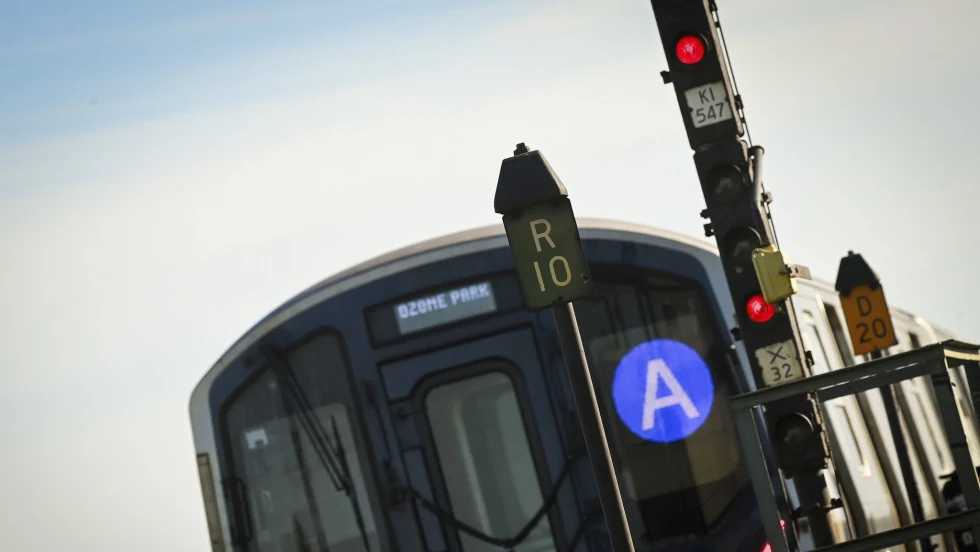
New York MTA Launches Historic $1.9B Signal, Track Modernization Project
Funded in part by congestion pricing revenue, the project will replace nearly century-old signals along the A and C lines in Brooklyn and Queens.
Read More →
Biz Briefs: New Electric Offering from Alexander Dennis/Volvo, Transdev in Boston, and More
In METRO's latest installment, we also take a look at recent news from STV, WSP, Prevost, and more partnerships making headlines across the transportation sector.
Read More →
Roman Cornell on ABC Companies’ Evolution and the Future of Passenger Transportation
The company’s CEO discusses carrying forward a third-generation family legacy, ABC’s continued evolution in passenger transportation, support for increasingly complex fleets, and how technology and continued investment could help operators improve uptime.
Read More →
ETA CEO John Maglio on Transit Technology, Innovation, and Building Agency Trust
ETA founder and CEO John Maglio explores the evolution of transit technology, the importance of reliable systems, and how stronger partnerships can help agencies improve operations and the passenger experience.
Read More →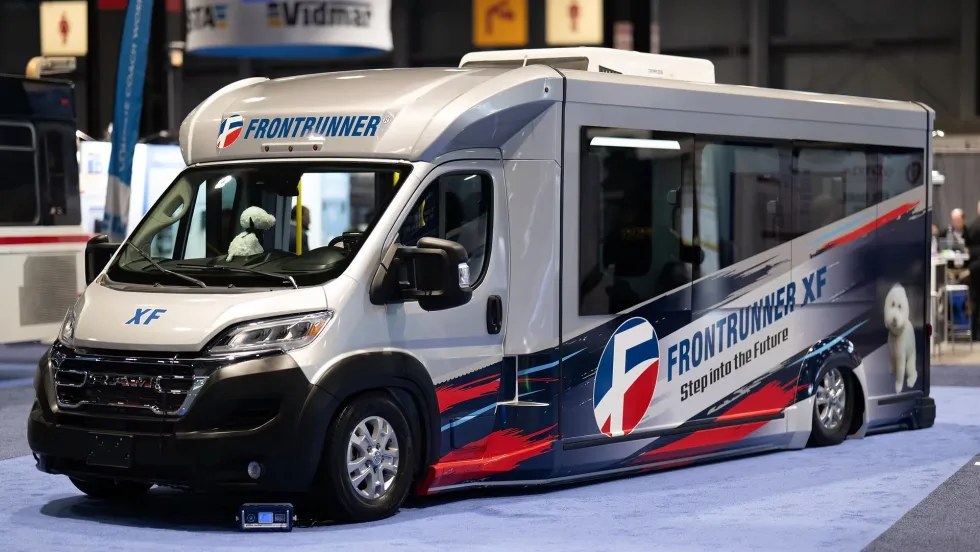
Frontrunner Bus Group Introduces XF Low-Floor Bus with Enhanced Accessibility
The new mid-sized bus features a full flat-floor design, eight-inch curbside step-in height, and zero-entry rear ramp to improve passenger access and operational flexibility.
Read More →
Building a Flexible Path to Transit Electrification with BAE's John Hroncich
John Hroncich discusses BAE Systems’ modular and scalable approach, lessons learned from decades of real-world operations, and how agencies can identify electrification strategies that fit their fleets.
Read More →
Scenes from APTA TRANSform & EXPO 2026
Transit leaders, manufacturers, and industry professionals gathered in Chicago to explore new technologies, share ideas, and discuss the future of public transportation.
Read More →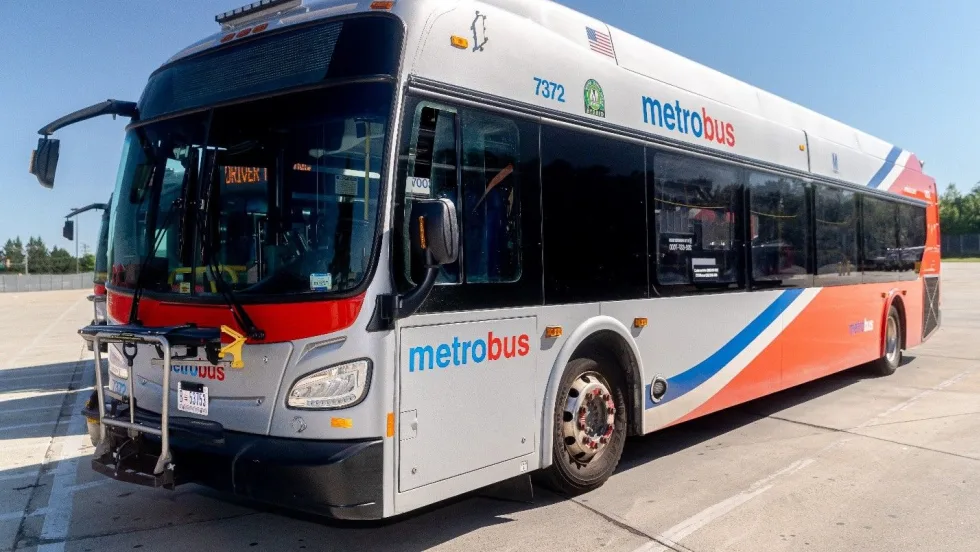
Biz Briefs: New Flyer Secures Additional 100-Bus Order from WMATA and More
In METRO's latest installment, we also take a look at recent news from Masabi, MCI, Samsara, and more partnerships making headlines across the transportation sector.
Read More →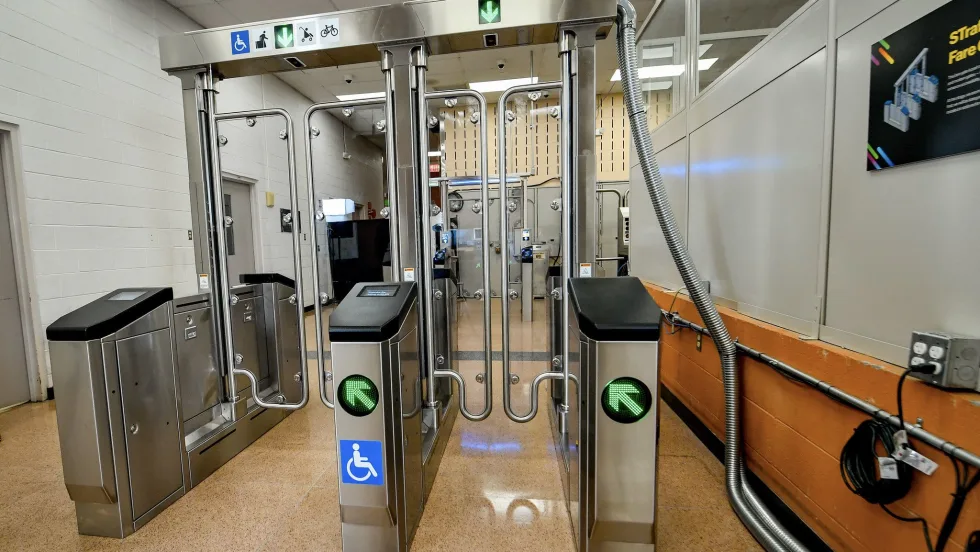
MTA Fare Gate Pilot Reduces Fare Evasion by 35%
Following a 20-station pilot, the agency plans to install new fare gates at 20 additional subway stations as part of a $1.1 billion modernization initiative.
Read More →
California Law Extends AC Transit’s Bus Lane Camera Enforcement
The new law allows AC Transit to continue using forward-facing bus cameras to enforce parking violations in bus-only lanes and at bus stops.
Read More →