Pace, with its commitment to environmental stewardship as a key priority of the agency’s “Driving Innovation” strategic vision plan, is actively working to reduce its carbon footprint and enhance air quality in the community.
Photo: Pace Suburban Bus
1 min to read
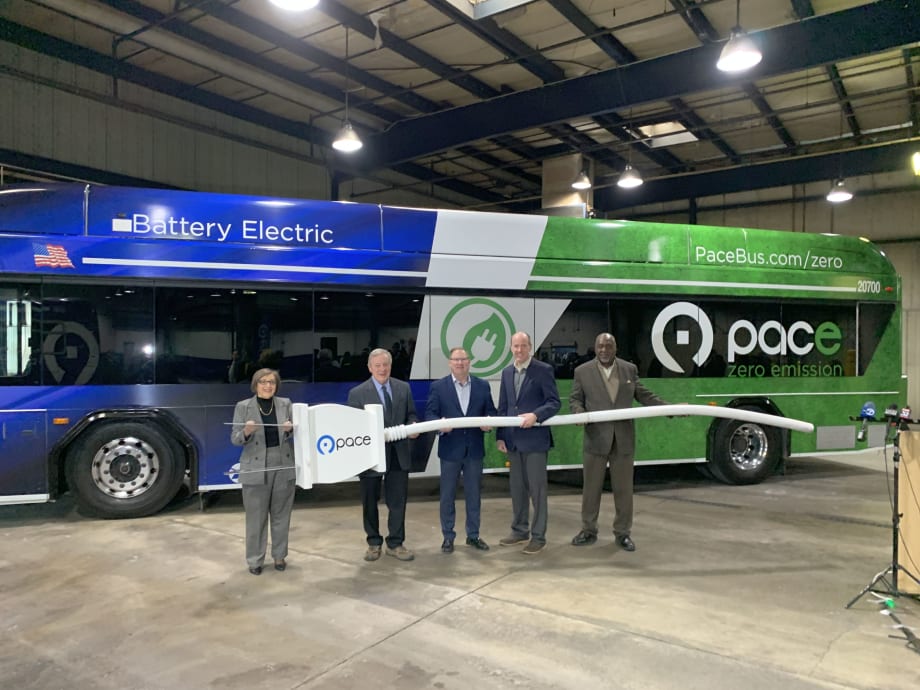
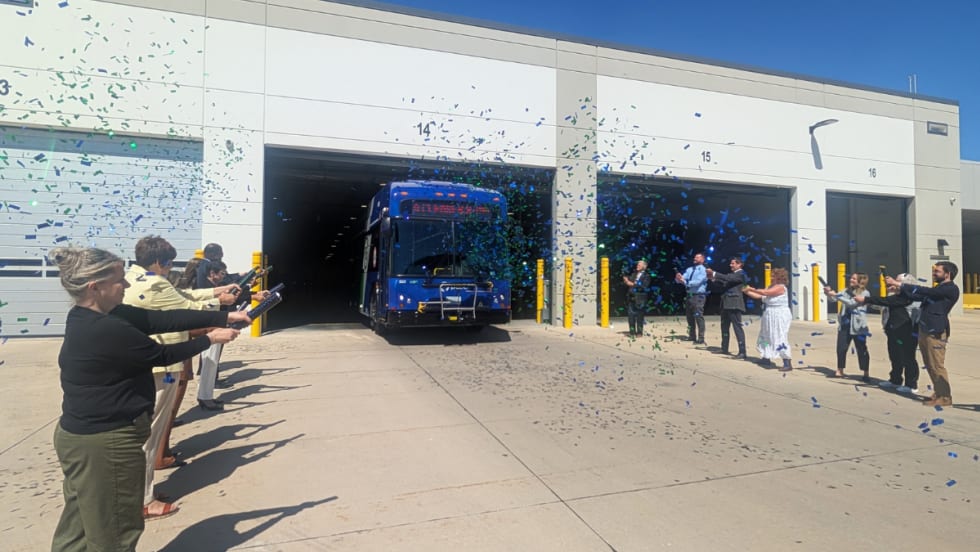
Chicago’s Pace Suburban Bus charged into the future with the debut of its inaugural battery-electric bus.
The state-of-the-art GILLIG bus is now operational on Route 381, serving riders in the southwest suburbs, including Evergreen Park, Oak Lawn, Chicago Ridge, Bridgeview, Hickory Hills, and Palos Hills, and providing connections between the CTA Red Line and Moraine Valley College.
Ad Loading...
The significant step toward sustainable transit comes after the bus underwent rigorous testing last year.
Event speakers included U.S. Senator Dick Durbin, as well as Illinois State Senator Bill Cunningham; RTA Board Member Michael Lewis; Pace Chairman Rick Kwasneski; and Pace Executive Director Melinda Metzger.
Photo: Pace Suburban Bus
“Driving Innovation”
Pace, with its commitment to environmental stewardship as a key priority of the agency’s “Driving Innovation” strategic vision plan, is actively working to reduce its carbon footprint and enhance air quality in the community.
Pace’s ambitious initiative, Project Zero, aims to convert its entire fleet of over 700 buses to zero-emission vehicles by the year 2040.
“Pace’s legacy of progress and innovation has led us to this vehicle you see today — which is better for passengers, easier for our bus operators, and cleaner for the environment,” said Pace Executive Director Melinda Metzger. “This marks a pivotal moment for Pace and our commitment to sustainable mobility solutions.”
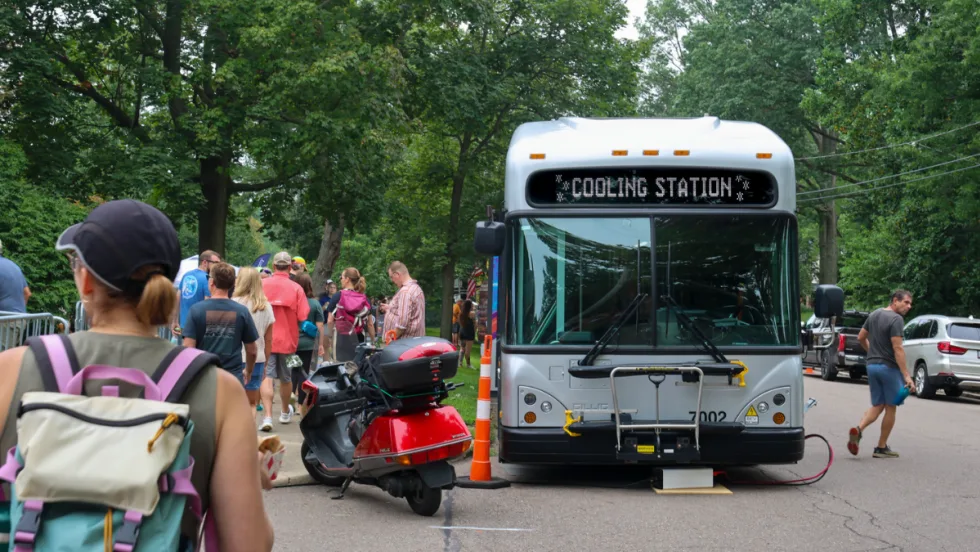
See how three Gillig battery-electric buses powered festival stages while the agency’s new Park & Ride service carried approximately 1,000 attendees, demonstrating another potential use for transit agencies’ electric fleets.
The new name represents a renewed vision for the nonprofit focused on advancing clean, equitable, and affordable transportation solutions that move people and goods.
John Hroncich discusses BAE Systems’ modular and scalable approach, lessons learned from decades of real-world operations, and how agencies can identify electrification strategies that fit their fleets.
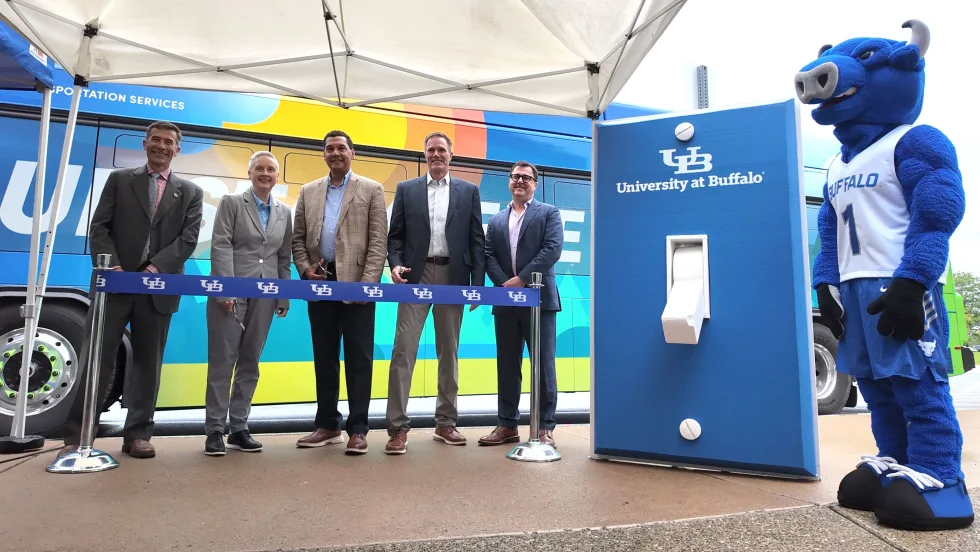
UB, transportation solutions provider WeDriveU, and fleet electrification specialist Zenobē marked the deployment in the presence of students, university administrators, and local officials.
From manufacturers and suppliers to transit agencies and motorcoach operators, these updates offer a snapshot of the projects, partnerships and business moves driving the industry forward.
The agency’s maintenance chief discusses leadership, workforce development, zero-emission technology, and preparing technicians for the future of public transportation.
The firm will work with CTDOT and RVT to define the facility layout, operational requirements, and long-term flexibility for RVT’s growing electric fleet.
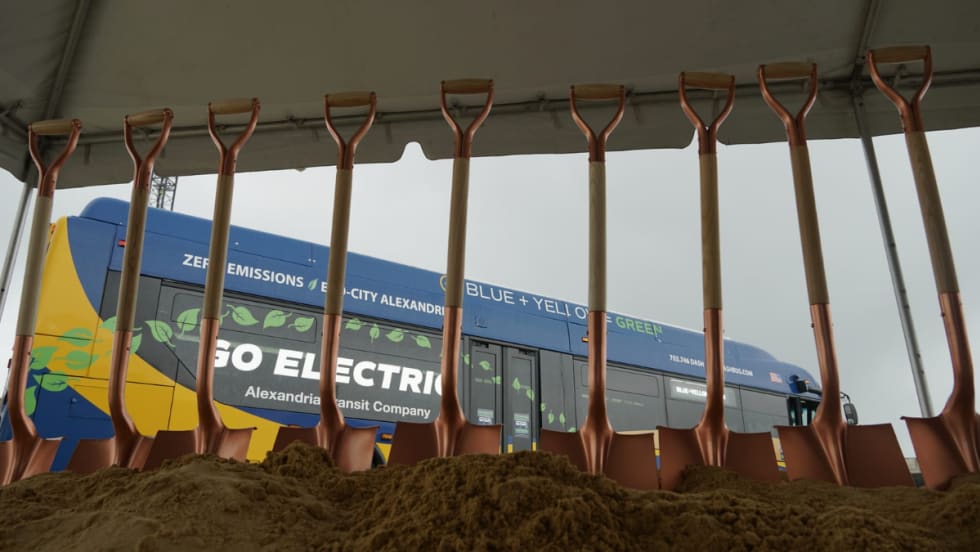
The fast-charging infrastructure will help extend electric bus range, improve fleet utilization, and support DASH's goal of transitioning to a fully zero-emission fleet.