



Construction Begins in South Jersey LRT, Hudson-Bergen Opens to Raves
Southern New Jersey Light Rail began construction on May 8 as part of a larger strategy of planned development in the state.

Southern New Jersey Light Rail began construction on May 8 as part of a larger strategy of planned development in the state. Running along the route 130 corridor, the line is anticipated to concentrate new development and encourage investment along 34 miles of track between the cities of Camden and Trenton. Supporters of the new line are heartened by the success of the Hudson-Bergen Light Rail Project, which opened April 15 in Northern New Jersey. The first phase of the line operates along 7.5 miles of track in Bayonne and Jersey City, and is expected to serve 9,200 daily riders by the end of the year. Daniel Censullo, senior director of new rail construction for New Jersey Transit, said the Hudson-Bergen line has already benefited the communities it serves. "If you came up here, you would see the tremendous amount of residential and commercial development right along the right-of-way," Censullo said. The new line in Southern New Jersey is a $604 million design, build, operate and maintain project for the Southern New Jersey Rail Group, a consortium with major partners Bechtel and Adtranz. By integrating all phases of the endeavor, New Jersey Transit hopes to reduce time and cost. The consortium already purchased the light rail right-of-way on 32 miles of Conrail track. Construction of two new bridges, including a major undertaking to span Rancocas Creek, is part of the 36-month plan. There will eventually be 20 stations and three park and ride facilities when the line is completed. Ridership is expected to begin at 9,300 passengers daily. "I think we are going to capture the majority of the population in this area as they move toward the major job centers of Camden and Trenton," Censullo said. Light rail will not only deliver commuters to Camden and Trenton and their considerable intermodal capacities, it will attract new investment in the downtowns that house stations. Because Southern New Jersey is lightly developed, the hope is that the new line will ignite the economy while restricting development to the corridor, conserving the farmland and environmentally sensitive areas that surround it. John Coscia, executive director of the Delaware Valley Regional Planning Commission (which was involved in feasibility studies and station design for New Jersey), said the project has great potential. "From a smart growth point of view, from a compact infill point of view, it makes sense to have transit serve that corridor," Coscia said.
More Management
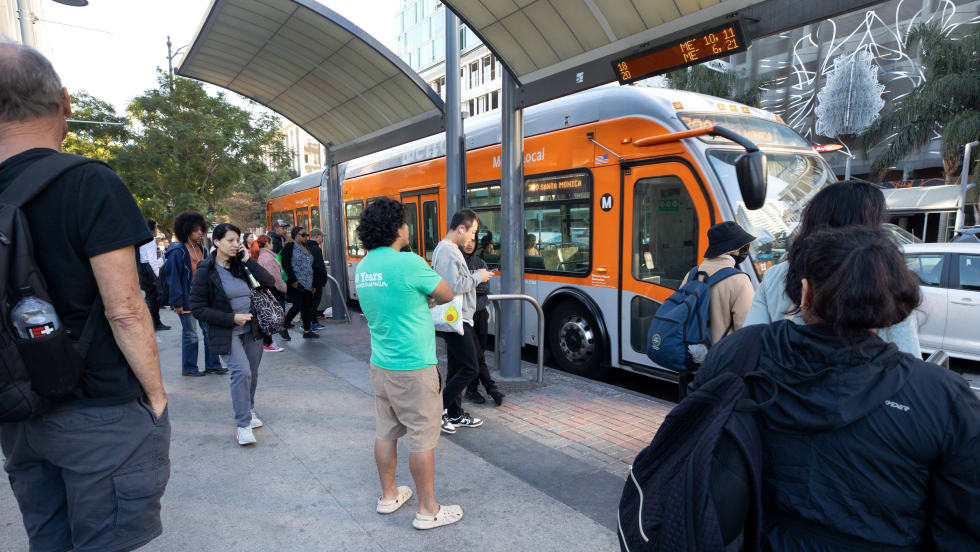
LA Metro Ridership Continues Growth as Rail Gains Accelerate
New rail connections and major events help drive continued ridership gains, with Metro recording its eighth consecutive month of year-over-year rail growth.
Read More →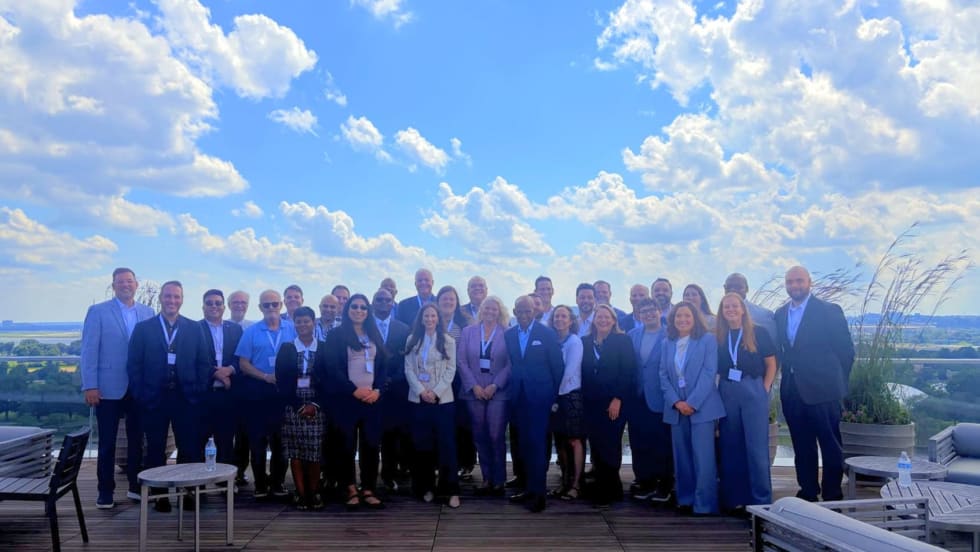
TransDASH Summit Focuses on Measuring What Matters in Transit
Transit agencies unveil a national performance platform designed to benchmark customer experience, safety, community value, and other outcomes.
Read More →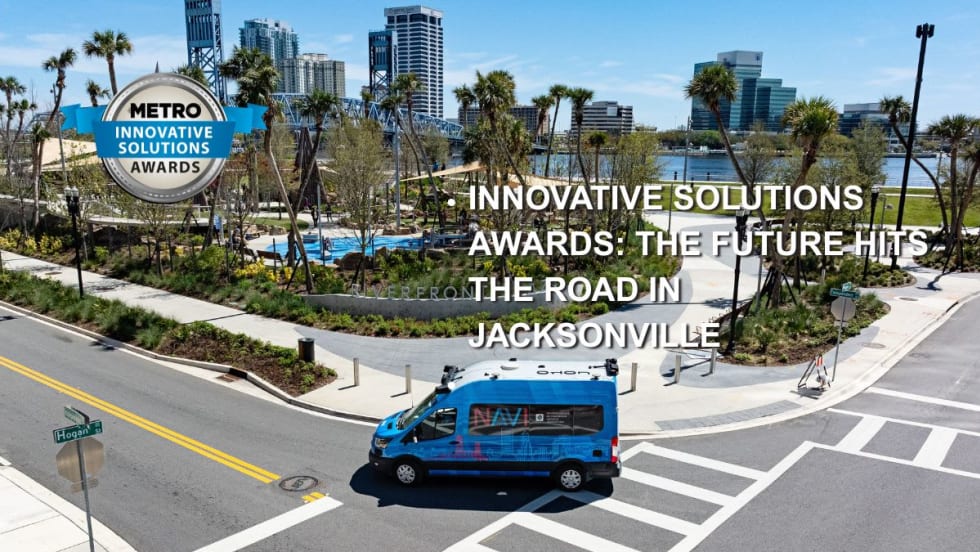
Jacksonville’s NAVI Project Charts a New Course for Autonomous Public Transportation
Through its NAVI program, JTA is showing how autonomous vehicles, intelligent infrastructure, and coordinated operations can work together to deliver everyday public transportation.
Read More →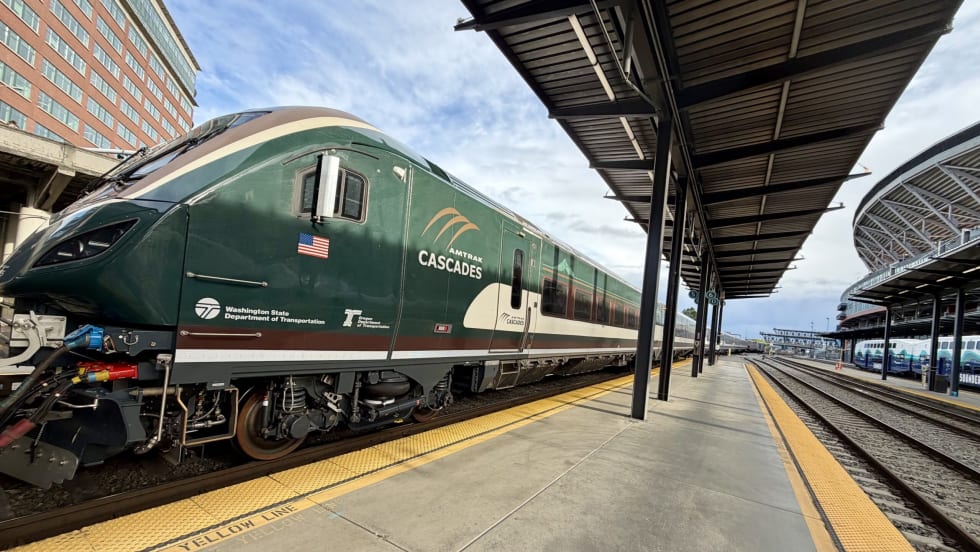
FRA Announces $5.3B in Rail Investments, Including $2B for Amtrak
Funding will support grade-crossing improvements, infrastructure upgrades, and new Amtrak equipment in 23 states.
Read More →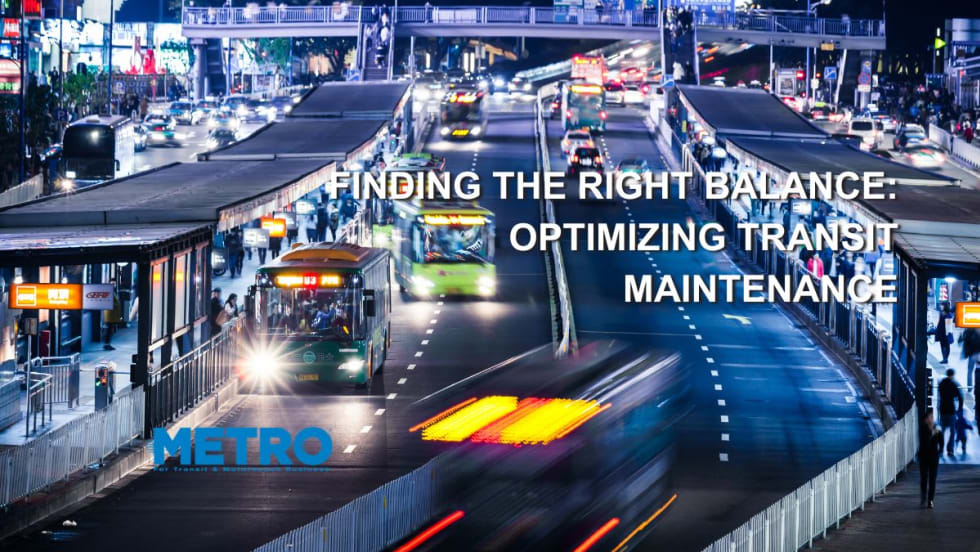
Finding the ‘Happy Medium’: Optimizing Maintenance Without Sacrificing Reliability
The key to maintenance optimization isn’t doing less work—it’s doing the right work at the right time on the right assets.
Read More →
People Movement: MARTA Drops Interim Tag on GM/CEO Hunt and More
In this edition, METRO covers recent appointments and announcements at the FMCSA, HDR, SilverRide, and more, showcasing the individuals helping to shape the future of transportation.
Read More →
VIA Metropolitan Transit Reports 2 Million More Passenger Trips as Better Bus Plan Gains Momentum
San Antonio's transit agency said accelerated service improvements are driving ridership growth, offering another example of how increased frequency and workforce investments can translate into stronger transit performance.
Read More →
ABAF Study Reveals Growing Insurance Crisis for Motorcoach Operators
Preliminary findings show 98% of operators faced premium increases over the past five years, while shrinking insurer participation is putting added pressure on businesses and customers.
Read More →
PSTA Modernizes Workforce Management with Digital Bidding System
The award-winning Workforce Transit Modernization project replaced paper bidding with a transparent digital platform, cutting administrative effort while improving access for operators.
Read More →
Chicago to Host Public Transportation's Biggest Gathering at APTA TRANSform & EXPO 2026
North America’s largest public transportation gathering returns to Chicago, connecting transit decision-makers with the technologies, ideas, and partnerships driving the industry forward.
Read More →