



Cooperation can advance positive train control
PTC protects rail passengers, workers, and the motoring public. When installed, trains, signals, switches, and dispatching systems are connected on a single network.
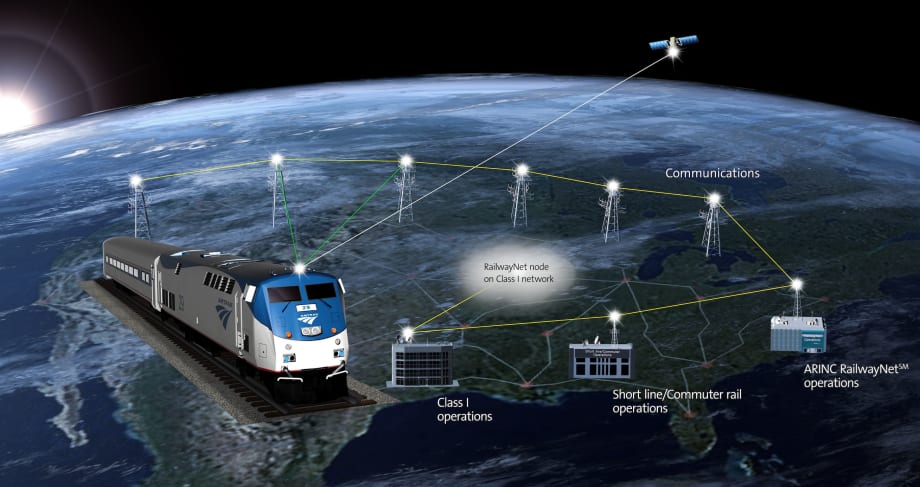
Amtrak plans to equip approximately 310 locomotives to operate using positive train control (PTC) technology and comply with that federal requirement by Dec. 31, 2018. Graphic courtesy of Amtrak.
Amtrak plans to equip approximately 310 locomotives to operate using positive train control (PTC) technology and comply with that federal requirement by Dec. 31, 2018. Graphic courtesy of Amtrak.
Though progress is ongoing, positive train control (PTC) implementation is slower than regulators and the public want. It is a huge undertaking with approximately 140,000 miles of train track in the U.S. needing this important safety system. The mandated completion date of Dec. 31, 2018, looms as large as a locomotive.
Class I freight railroads, which make up 96,000 miles of all railroads, and Class II railroads are running behind this deadline. As of the first quarter of 2017, 48% of freight locomotives and 45% of passenger locomotives were PTC-operable, according to the Federal Railroad Administration (FRA).
The FRA recommended to Congress that if a railroad has completed significant work, installed the proper PTC equipment and proves it is making progress, but cannot meet the 2018 deadline, it can petition the FRA for a third deadline of Dec. 31, 2020.
This is not a deadline to target. It is critical to get PTC in place and working.
Address issues, embrace innovations, make progress
Key industry issues must be addressed to achieve full PTC implementation. Interoperability is primary. This means that all railroads can communicate electronically with each other so that when tenant railroads are using host railroads’ tracks, all parties know what is moving and where.
Current limitations are created by differences in the ways freight and passenger railroads operate. Freight lines developed PTC technology on their own with their suppliers, while the passenger rail system typically operates in a competitive bidding process. This has resulted in multiple PTC suppliers delivering systems that often don’t communicate with the dominant PTC technology present on most freight rails.
Innovation is coming. Experimental systems are working, including one standalone system. An industry challenge is to persuade lawmakers to mandate that suppliers cooperate to develop fully interoperable systems. Railroad personnel should be able know where a train is at any time.
Show the value beyond safety
PTC protects rail passengers, workers, and the motoring public. When installed, trains, signals, switches, and dispatching systems are connected on a single network. This creates operational and maintenance innovation that was impossible prior to PTC.
The network now has a log of every change to signal aspect, switch position, highway grade crossings and dispatch controls. This data can significantly improve operational efficiency and maintenance. Passenger and freight railroad personnel are starting to understand the value this it can provide.
“A thorough understanding of how FRA operates and applies regulatory requirements is essential for successful PTC implementation.”
PTC is not an isolated expense. It has the potential to add value with cost savings. For example, Class I railroads are integrating highway grade crossings into their PTC systems, which increases safety and reduces costs. The cost to maintain traditional crossing circuits is exponentially higher than maintaining a crossing system integrated with PTC. Value stories like this further propel PTC technology.
Understand processes
A thorough understanding of how FRA operates and applies regulatory requirements is essential for successful PTC implementation. Generally, regulatory and standardizing bodies govern an industry, and the regulator typically writes and enforces the rules. However, the U.S. system is heavily weighted toward freight lines and their PTC provider, which is problematic for passenger rail. It is likely federal regulation will be needed to enforce a requirement that various PTC systems communicate with each other.
This gap between regulating and standardizing bodies necessitated FRA writing more details in regulations that became very specific and descriptive. Over time, passenger rail agencies had less understanding of evolving rules, which resulted in approval delays. As FRA is the only entity that certifies PTC systems, we must understand how to prove system performance in ways that meets compliance and gets rail agencies certified. This is especially important for passenger rail agencies because they tend to acquire PTC equipment procurement by procurement.
Best practices
PTC functionality relies on signaling rules and the radio network of PTC-220 megahertz that is regulated by the Federal Communications Control Board. It allows all railroads to send information about train positions, inform tenants trains about any enforcements or directives on host railroads and critical information required for safe operations. With the creation of this network, freight lines set standards about how much data can be sent, messaging formats, and other protocols for seamless communication between railroads interoperating on each other’s tracks.
Rail leaders must also understand:
• Costs of leasing or buying radio spectrum
• Which authorities regulate radio towers
• Local guidelines
• The type of data the network will accept
Understanding the network, all components, stakeholders and key players ensures a new PTC system can go live as scheduled.
“PTC is not an isolated expense. It has the potential to add value with cost savings.”
Once a system is implemented, network planning coupled with back office servers (BOS) is critical. BOS are links on a network with other rail lines that must be federated and ensures one system will communicate with others.
Implementing PTC requires budgeting. Passenger lines generally obtain state or federal funds. Writing a superior grant request that makes a good business case is essential to get funding. Serving as the liaison between the passenger lines and the FRA strengthens the requests and helps secure financial support.
As an industry, we can continue to work with regulators and lawmakers to obtain more financing to get PTC implemented. We must also work with the American Public Transportation Association to lead and to bridge the gap between freight and passenger rail technologies that has been created in the absence of solid, clear standards. We must move now.
Ian Choudri is National Rail and Transit Business Development Director/Sr. VP, HNTB Corp. (www.hntb.com).
More Rail
New York MTA Launches Historic $1.9B Signal, Track Modernization Project
Funded in part by congestion pricing revenue, the project will replace nearly century-old signals along the A and C lines in Brooklyn and Queens.
Read More →
LA Metro Breaks Ground on East San Fernando Valley Light Rail Project
The 6.7-mile line will add 11 stations along Van Nuys Boulevard, expand access to jobs and regional transit connections, and support Metro’s broader efforts to improve mobility as rail ridership grows.
Read More →
CSA Group Releases Climate Resilience Standard for Transit, Passenger Rail
Developed with support from the Standards Council of Canada, CSA D700 guides assessing climate-related risks and planning adaptation measures for transit and passenger rail systems.
Read More →
LA Metro September Ridership Climbs 3.9%, Led by Rail Growth
The agency recorded more than 27.2 million boardings, with rail ridership increasing 12.4% year over year and the D Line posting the largest gains.
Read More →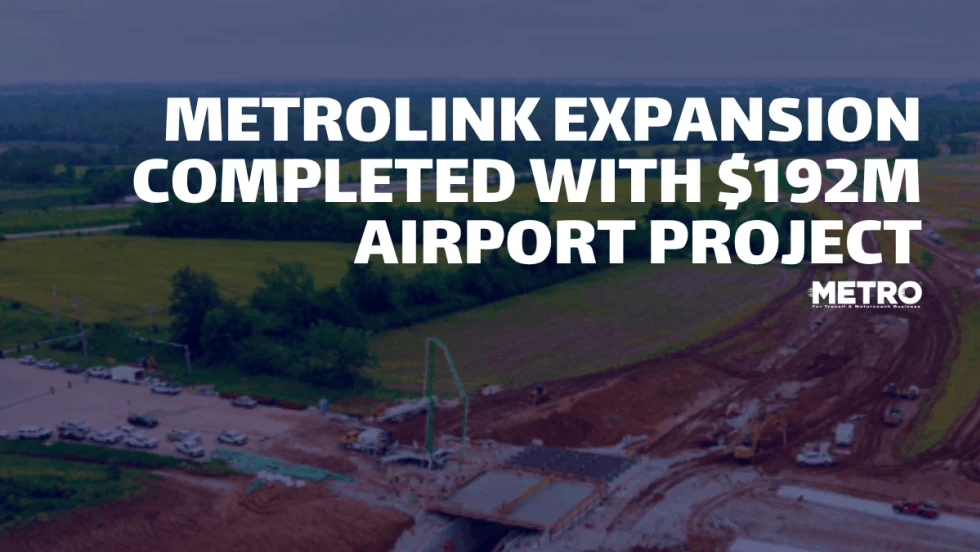
First Full MetroLink Rail Expansion Completed in 20 Years with $192M Airport Project
The project links two St. Louis-area airports by light rail while adding roadway and bike trail connections to improve regional access and mobility.
Read More →
Utilimarc Launches SmartReplace to Optimize Fleet Replacement Decisions
AI-powered SmartReplace helps fleets prioritize vehicle replacements, model budget scenarios, and build more defensible long-term strategies.
Read More →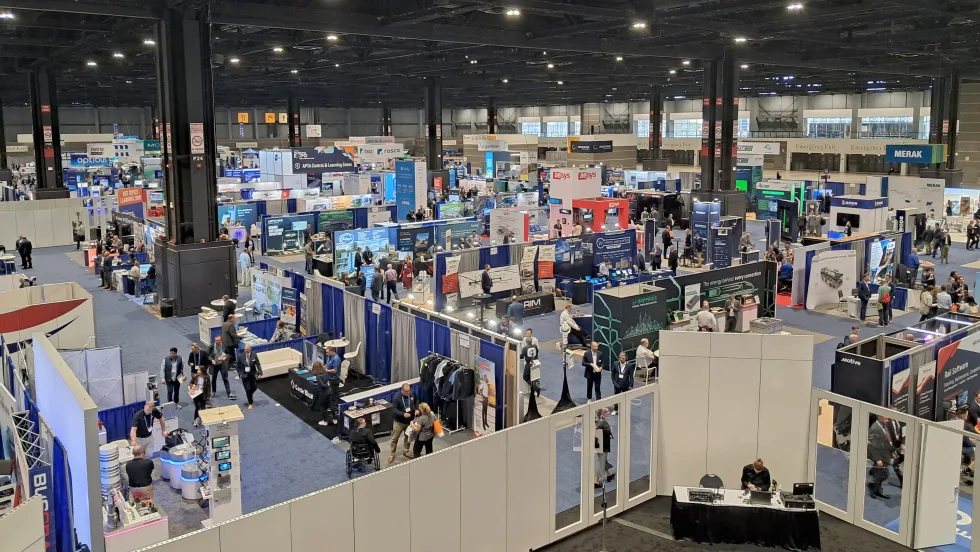
Scenes from APTA TRANSform & EXPO 2026
Transit leaders, manufacturers, and industry professionals gathered in Chicago to explore new technologies, share ideas, and discuss the future of public transportation.
Read More →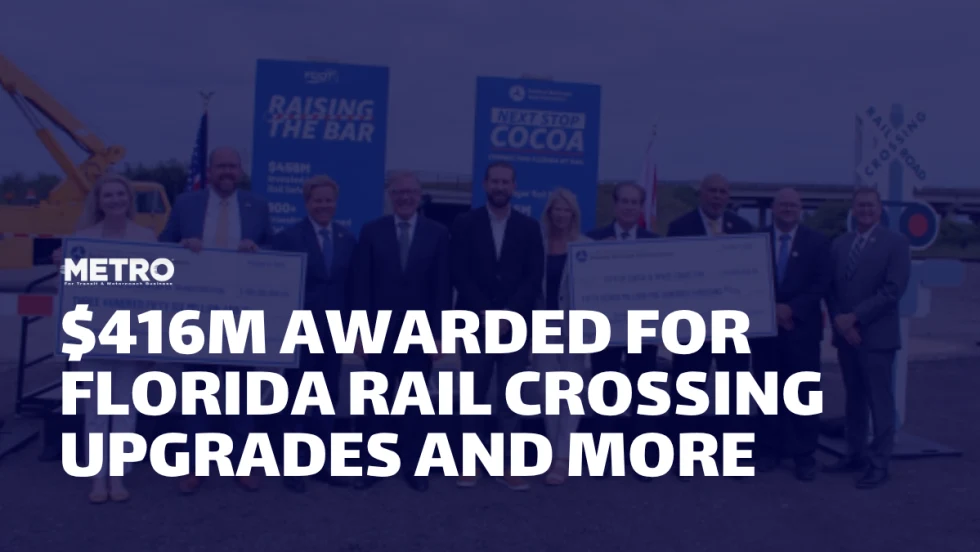
USDOT Awards $416 Million for Florida Rail Crossing Safety Upgrades, New Brightline Station
The projects aim to reduce risks for motorists and pedestrians at rail crossings while expanding passenger rail access along Florida’s Space Coast.
Read More →
OCTA Declares Emergency to Protect Rail Corridor From Coastal Erosion
The California agency is accelerating shoreline protection and plans to place approximately 690,000 cubic yards of sand along the San Clemente coast to protect a key passenger and freight rail link.
Read More →
More Than a Summer Job: Building the Next Generation of Transit Talent
The Delaware River Port Authority and PATCO have transformed their internship program into a hands-on professional development experience that introduces students to the breadth of transportation careers — and creates a pipeline for future employees.
Read More →