




RELATED: Report analyzes drop in Chicago bus ridership, offers low-cost solutions
CTA budget proposes $23M in cuts, fare increases after $33M cut in state support
Upon adoption, the fare increase will generate $23 million for CTA operations, while the capital budget includes a new revenue stream from ride-hailing fees that will pay for projects that improve CTA infrastructure and service.
November 22, 2017

Every dollar generated by the fare increase is equal to a dollar in savings and reforms CTA is making in the budget.
4 min to read
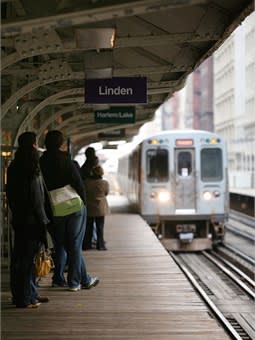
The budget will also include more than $23 million in budget cuts and reforms to maintain service levels in the coming year.
Daniel Schwen
The Chicago Transit Authority (CTA) proposed a balanced $1.51 billion operating budget that preserves bus and rail service levels while continuing historic investment to modernize the CTA and improve the customer experience. Following a reduction of $33 million in state support, the spending plan makes significant cuts and reforms, and includes a modest increase in CTA’s base fare and the price of a 30-day pass.
Every dollar generated by the fare increase is equal to a dollar in savings and reforms CTA is making in the budget. Upon adoption, the fare increase will generate $23 million for CTA operations, while the capital budget includes a new revenue stream from ride-hailing fees that will pay for projects that improve CTA infrastructure and service. The budget will also include more than $23 million in budget cuts and reforms to maintain service levels in the coming year.
“This balanced budget reflects CTA’s commitment to modernizing and improving its bus and rail system to ensure that it provides customers with 21st century public transit services,” said CTA President Dorval R. Carter Jr. “It has been over eight years since CTA has instituted a fare increase and it’s a decision we don’t take lightly. But after working hard to find $23 million in savings and reforms, it is clear we need to raise revenue to overcome the major cut in state funding.”
The CTA is also proposing a $2.7 billion five-year capital budget for 2018-2022, continuing more than $8 billion of historic transit investment completed, begun, or announced by Mayor Rahm Emanuel since 2011. Those projects include rehabilitating rail stations and building new ones, modernizing rail and bus fleets, removing rail slow zones, and adding new technologies — work that improves reliability, reduces commuting times, strengthens safety and security, and improves the overall commuting experience.
The 2018 budget preserves the robust bus and rail service that customers receive today, including expanded bus and rail service put into place in the last couple years.
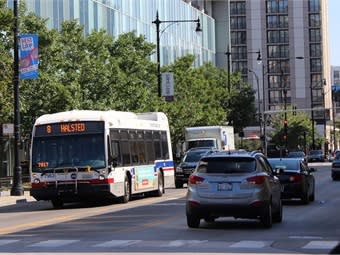
Every dollar generated by the fare increase is equal to a dollar in savings and reforms CTA is making in the budget.
Changes in base fares
The CTA has held the line on fares since 2009 — something achieved by no other transit agency in the U.S. during that time. Since 2011, the agency has accomplished this through strategically pursuing management efficiencies and achieving cost savings through reducing ongoing maintenance needs by modernizing the fleet, pre-purchasing diesel fuel and electricity at historically low levels, and through responsible spending practices.
The CTA in crafting its 2018 budget was faced with an unprecedented challenge in the form of a reduction in state funding of $33 million. This critical funding which supports CTA’s day-to-day operations represents the equivalent of the annual cost of about 50 bus routes.
As a result, for the first time in nine years, the CTA has proposed a modest increase in its base fare of 25 cents and a $5 increase in the 30-day unlimited ride pass. The new base fares of $2.50 for rail and $2.25 for bus allow the CTA to maintain and improve current levels of bus and rail service, while improving the customer experience. The 25-cent increase is well below the rate of inflation since 2009. CTA also proposes a $5 increase in the cost of a 30-day pass. As required by federal law, reduced-fare rides will continue to be roughly 50% of base fares, which translates to an increase of 10 to 15 cents.
All other fares and passes — including student fares — would remain at the current price.
These increases are expected to generate $23 million — all of which will support CTA daily operations.
Chicago ride-hailing fee to help support capital improvement projects
CTA will also receive support for its capital improvement projects via the City of Chicago’s ride-hailing fee — the first such fee of its kind in the U.S. — which is dedicated solely to transit capital investment. Due to the absence of a state capital program and with competition for federal funding increasing, this new source of funding is critical to allow CTA to continue investing in the modernization of its infrastructure.
The CTA continues to look beyond the farebox to support operations through other revenues, like advertising, retail concessions and other non-fare related sources.
Despite the funding challenges CTA faces to meet its modernization goals, the proposed 2018 operating budget is balanced for the seventh straight year and its capital budget preserves the historic level of transit investment that will serve the Chicago region for generations to come.
CTA in 2018 will continue to pursue long-term priorities which focus on improving service to customers. The agency will continue to make extensive investments in its bus and rail system – including some of the largest station, signal, and track reconstruction projects in CTA history, such as the Red-Purple Modernization project, a $2.1 billion investment to modernize and add capacity to the CTA’s busiest rail corridor. CTA will also continue to enhance the overall customer experience by investing in public art at our rail stations.
The agency has set a public hearing to discuss the proposal.
More New Mobility

ENC Unveils ZAVIR Medium-Duty Electric Shuttle at APTA EXPO
The new ZAVIR brand targets shuttle and paratransit operations with battery-electric and range-extended electric vehicle options.
Read More →
Public Transit Conference Returning to GFX in 2027, Call for Papers Now Open
The Call for Papers is now open, allowing transit agency professionals and industry experts to help shape the PTC educational program by submitting session ideas for consideration.
Read More →
Everett Transit, Community Transit Outline Consolidation Agreement
The proposed agreement calls for a 50% increase in bus service in Everett, a new microtransit zone, continued paratransit service, and the transfer of Everett Transit operations to Community Transit.
Read More →
What Multimodal Data Can Tell Transit Agencies About Rider Demand
See how bike-on-bus data is giving transit agencies new insight into rider demand, capacity constraints, and gaps in first- and last-mile connections.
Read More →
From Hardware to Digital Partner: Luminator Charts Its Next Chapter
CEO Magnus Friberg discusses Luminator’s shift toward becoming a digital partner, the growing importance of software and interoperability, and how AI can help agencies improve operations and passenger experience.
Read More →
Biz Briefs: Alstom Lands Canadian Contract, LYT to Supply California TSP, and More
In METRO's latest installment, we take a look at recent news from Complete Coach Works, Beep, FlixBus, and more partnerships making headlines across the transportation sector.
Read More →
CharterUP’s Armir Harris on Technology, AI, and the Future of Group Mobility
In a recent episode of METROspectives, CharterUP Founder/CEO Armir Harris discussed the company’s evolution from an online charter bus marketplace into a technology platform supporting public- and private-sector mobility and much more.
Read More →
Jacksonville’s NAVI Project Charts a New Course for Autonomous Public Transportation
Through its NAVI program, JTA is showing how autonomous vehicles, intelligent infrastructure, and coordinated operations can work together to deliver everyday public transportation.
Read More →
Biz Briefs: Luminator Marks Milestone and More
From manufacturers and suppliers to transit agencies and motorcoach operators, these updates offer a snapshot of the projects, partnerships and business moves driving the industry forward.
Read More →
New Tricks for Old Bureaucracies: Joshua Schank on Making Transit Innovation Stick
Former LA Metro Chief Innovation Officer Joshua Schank discusses why good ideas aren't enough, how transit agencies can overcome resistance to change, and why today's challenges demand more innovation.
Read More →